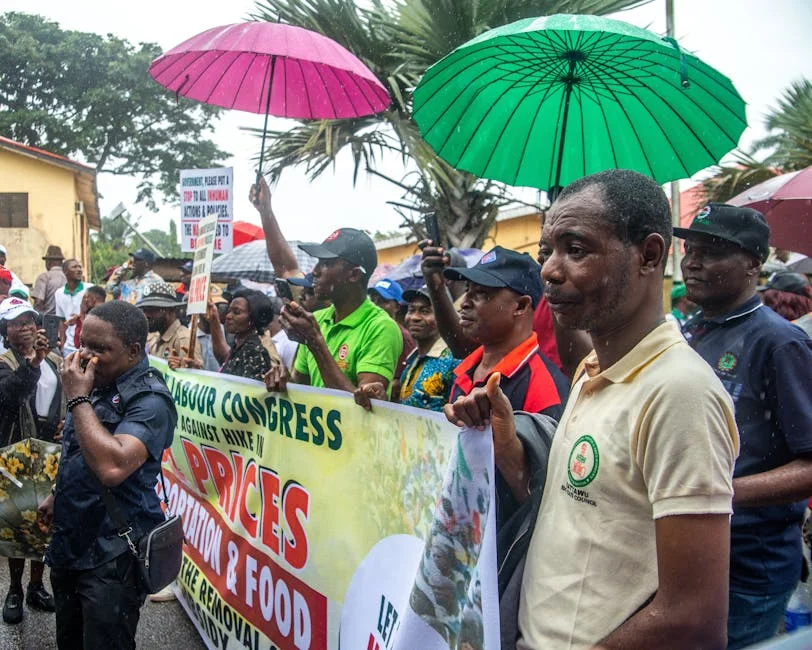
Mozambique's government has announced emergency measures to secure liquid fuels, triggering immediate price hikes in the capital, Maputo. The move comes after a series of supply disruptions and a sharp decline in fuel imports. The Ministry of Energy, led by Minister Mireme, confirmed the measures on Monday, citing a need to stabilise the energy sector amid regional instability and global price volatility.
Emergency Fuel Measures Take Effect
The new regulations require fuel suppliers to prioritise local distribution and limit exports. The Ministry of Energy stated that the measures aim to prevent shortages and ensure that essential sectors, such as healthcare and transportation, remain operational. The move follows a 25% price increase in Maputo, according to a report from the National Energy Regulatory Authority.
“This is a necessary step to protect the population from the worst effects of the fuel crisis,” said Minister Mireme in a press conference. “We are working with regional partners to restore stable supply chains, but in the short term, we must manage demand and ensure fair access.”
Market Reactions and Business Implications
The fuel crisis has already begun to ripple through the economy. Local businesses, especially in the transportation and agriculture sectors, are facing rising operational costs. Taxi operators in Maputo reported a 30% increase in fuel expenses, forcing some to raise fares or reduce services.
“We’re struggling to keep up with the rising costs,” said João Ferreira, a transport company owner in Maputo. “Many of our customers are also feeling the pressure, and it’s affecting the entire supply chain.”
Investors are closely monitoring the situation. The Johannesburg Stock Exchange has seen increased volatility in energy-related stocks, with some analysts warning of potential long-term economic impacts. “Mozambique’s energy crisis could have broader implications for regional trade and investment,” said Dr. Lusophone economist Ana Costa.
Regional and Global Supply Chain Concerns
The crisis has raised concerns about the stability of fuel supplies in southern Africa. Mozambique, a key transit point for regional trade, has seen reduced fuel imports from neighbouring countries due to logistical and political challenges. The country’s reliance on imported fuel has been exacerbated by global price fluctuations and a weak local currency.
“This is not just a local issue,” said Dr. Costa. “It affects the entire Southern African Development Community (SADC). If fuel prices remain high, it could slow down economic growth and increase inflation across the region.”
Import Restrictions and Local Production
The government has also imposed temporary restrictions on fuel exports, aiming to boost local availability. However, Mozambique lacks the domestic refining capacity to fully meet demand, relying heavily on imports from South Africa and other regional suppliers. The country’s only major refinery, located in Beira, has been operating below capacity due to maintenance issues.
To address the shortfall, the Ministry of Energy has announced plans to expedite the development of a new local refining project. However, the project is still in the planning stages and is not expected to come online for at least two years.
Investment and Policy Outlook
The crisis has prompted a re-evaluation of Mozambique’s energy strategy. Investors are now more cautious, with some delaying projects or shifting focus to alternative energy sources. The government has pledged to attract foreign investment in renewable energy and infrastructure, but progress remains slow.
“The current situation highlights the need for long-term energy security,” said energy analyst Nuno Silva. “Mozambique must diversify its energy mix and invest in sustainable solutions to avoid future crises.”
Investors are advised to monitor the government’s policy shifts and the impact on regional trade. The next key development will be the release of the Ministry of Energy’s updated energy strategy, expected in early 2025.
See Also
- Costello van Steenis Dominates PFL as Brutal Shakes Up South African Sports
- Comerciantes Face Fuel Price Hikes — Small Businesses Struggle
Mozambique, a key transit point for regional trade, has seen reduced fuel imports from neighbouring countries due to logistical and political challenges. “The current situation highlights the need for long-term energy security,” said energy analyst Nuno Silva.