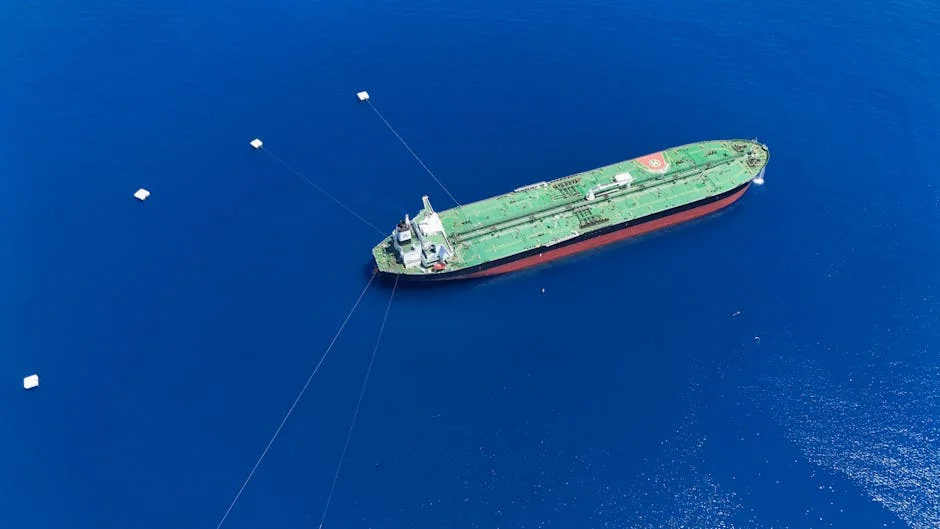
In a dramatic escalation in the Strait of Hormuz, masked Iranian commandos seized an India-bound vessel earlier this week. The incident, captured in a widely circulated video, has raised concerns over maritime security in one of the world's most critical shipping lanes. This development could have far-reaching implications for global markets, including South Africa, which relies heavily on stable oil prices and secure trade routes.
Implications for Global Shipping and Trade
The Strait of Hormuz is a vital passage through which approximately 20% of the world's oil passes. The seizure of the vessel highlights the vulnerabilities in this strategic corridor, causing concerns about potential disruptions in oil supply. Market analysts fear that prolonged instability could lead to increased shipping costs and insurance premiums, thereby affecting the global supply chain.

According to the International Energy Agency, any blockage or sustained threat to the free passage of ships in the Strait could result in oil prices surging by over $10 per barrel. This would not only affect fuel prices worldwide but could also lead to inflationary pressures in various economies, including South Africa.
The Economic Ripple Effect on South Africa
South African businesses, heavily reliant on imports, could face increased costs due to heightened shipping fees and oil price spikes. Companies involved in manufacturing and distribution might see their profit margins squeezed, impacting their ability to grow and hire. The South African economy, already grappling with challenges such as load shedding and unemployment, may find itself further strained under these conditions.
The Johannesburg Stock Exchange (JSE) could also feel the effects, with investor sentiment potentially turning cautious amid fears of escalating geopolitical tensions. When geopolitical risks rise, markets typically experience volatility as investors seek safe havens, which could lead to decreased investments in emerging markets like South Africa.
India's Stake and Response


India's Economic Interests
India, a key player in the region, has significant economic stakes in ensuring the security of the shipping lanes around the Strait of Hormuz. As one of the world's largest importers of oil, any disruption could severely impact its economy. The Indian government has called for diplomatic solutions and increased naval patrols to safeguard its maritime interests.
Prime Minister Narendra Modi has emphasized the importance of securing energy routes to sustain India's growth trajectory. With energy demands expected to increase, the situation in Hormuz warrants close monitoring by Indian policymakers and businesses.
What to Watch Next
Looking ahead, the international community will be closely monitoring Iran's actions and responses from other countries involved. Diplomatic efforts may intensify to de-escalate tensions and ensure the security of the Strait of Hormuz. The next few weeks could be crucial, as any further incidents might significantly impact global oil prices and trade dynamics.
Investors and businesses should stay informed on developments in the region and be prepared to adjust strategies in response to any major changes in market conditions. Policymakers in South Africa and India will need to consider contingency plans to mitigate potential economic impacts.
See Also
- Jamie Lee Curtis confirms ‘The Bear’ ends with season 5: What it means for South Africa
- Rosa Mota Celebrates 35 Years of the Meia Maratona de Lisboa — A Legacy of Resilience
When geopolitical risks rise, markets typically experience volatility as investors seek safe havens, which could lead to decreased investments in emerging markets like South Africa.India's Stake and ResponseIndia's Economic InterestsIndia, a key player in the region, has significant economic stakes in ensuring the security of the shipping lanes around the Strait of Hormuz. The next few weeks could be crucial, as any further incidents might significantly impact global oil prices and trade dynamics.Investors and businesses should stay informed on developments in the region and be prepared to adjust strategies in response to any major changes in market conditions.