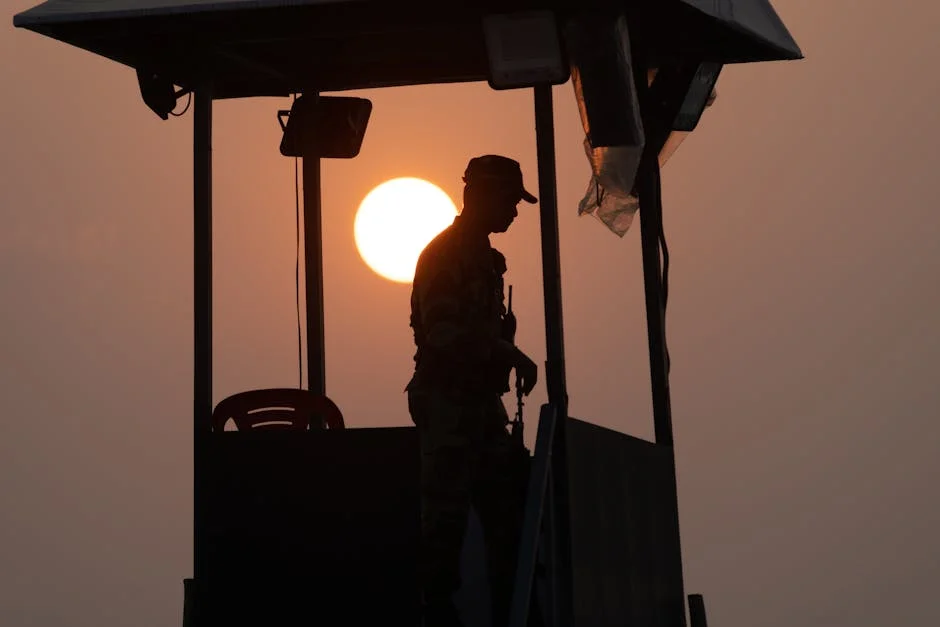
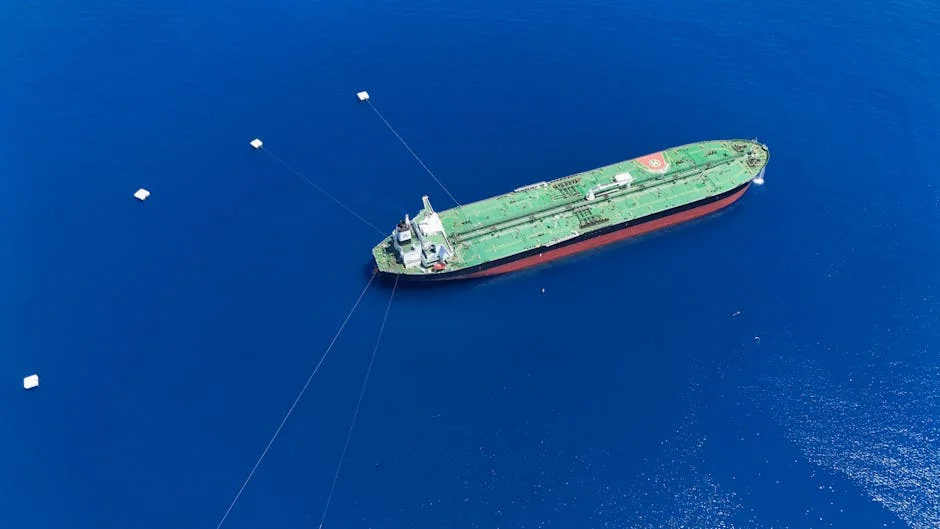
President Donald Trump has threatened to "eliminate" Iranian ships in the Strait of Ormuz, intensifying regional tensions and sending shockwaves through global markets. The warning came after a series of incidents involving vessels in the strategic waterway, which handles nearly 20% of global oil shipments. The move has raised concerns about a potential military confrontation and its economic repercussions.
Strategic Importance of Ormuz
The Strait of Ormuz, located between Iran and Oman, is one of the world's most critical maritime chokepoints. It is the narrowest point in the Persian Gulf and serves as a key route for oil tankers. Over 17 million barrels of oil pass through the strait daily, making it a focal point for global energy security.
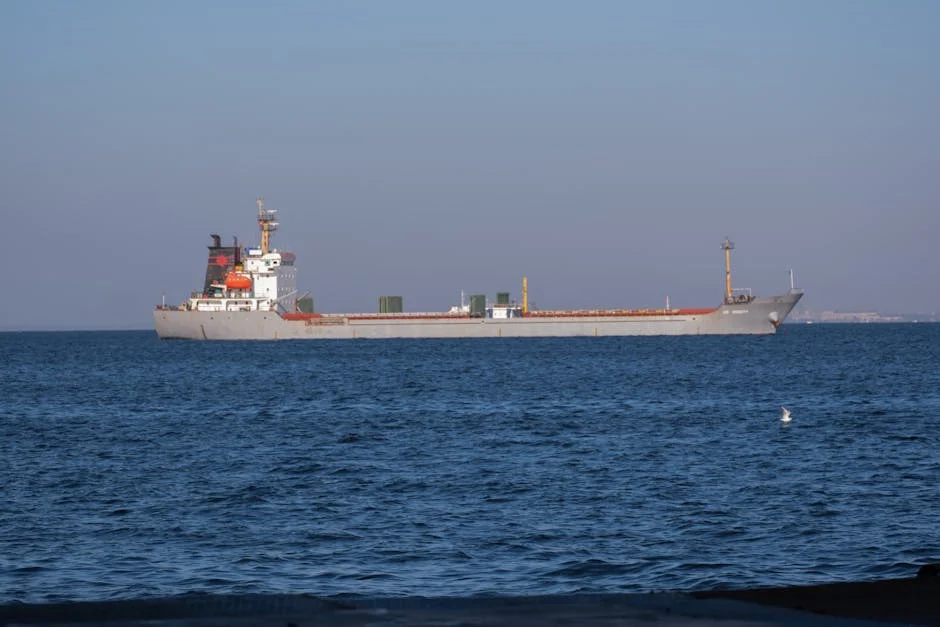
The U.S. Department of Defense has previously warned that any disruption to the strait could cause oil prices to surge, with potential ripple effects on global economies. In recent weeks, the U.S. has increased its military presence in the region, citing concerns over Iranian activities.
Market Reactions and Investor Concerns
Global markets reacted swiftly to Trump's statement. The S&P 500 fell 1.2% in early trading, while the price of Brent crude oil rose by 2.5% to $72.50 per barrel. Investors are closely monitoring the situation, fearing a potential spike in energy costs that could fuel inflation and slow global economic growth.
Analysts at Goldman Sachs noted that a prolonged conflict in the region could lead to a 10% increase in oil prices, which would have significant implications for emerging markets. South Africa, which imports over 80% of its oil, is particularly vulnerable to such fluctuations.
Business Implications and Supply Chain Risks

Businesses reliant on global supply chains are also on high alert. Shipping companies, including Maersk and CMA CGM, have begun rerouting vessels to avoid the strait, increasing transportation costs and delivery times. The logistics sector is bracing for potential delays as companies assess the risks of operating in the region.
South African importers, who depend heavily on oil and raw materials from the Middle East, are preparing for higher costs. "We're already seeing a 5% increase in shipping rates due to the heightened risk," said Sipho Mthembu, a spokesperson for the South African Logistics Association.
Geopolitical Tensions and Regional Dynamics
The U.S. and Iran have been locked in a diplomatic standoff for years, with recent incidents in the strait escalating the conflict. In July 2019, an Iranian missile strike damaged a U.S. drone, and in January 2020, the U.S. killed Iranian General Qasem Soleimani in a drone strike. These events have further strained relations between the two nations.
The European Union and other regional powers have called for de-escalation, but their influence in the region remains limited. The situation has also raised questions about the role of the United Nations and international law in preventing further conflict.
Regional Impact and Economic Vulnerability
The economic implications of a potential conflict are far-reaching. The Strait of Ormuz is not only vital for oil but also for trade in goods such as machinery, electronics, and consumer products. A disruption could cause global supply chains to grind to a halt, affecting businesses in South Africa and beyond.
South Africa's trade with the Middle East is valued at over $12 billion annually, with key exports including minerals and agricultural products. A prolonged crisis could lead to reduced trade volumes and increased costs for South African consumers.
Investment Perspective and Risk Assessment
Investors are increasingly looking for safe-haven assets as tensions rise. Gold prices have climbed to $1,800 per ounce, while the U.S. dollar has strengthened against major currencies. This shift reflects growing uncertainty about the global economic outlook.
Emerging market investors are particularly cautious. "We're seeing a flight to quality as investors seek stability in uncertain times," said Amina Jalloh, an economist at the South African Reserve Bank. "The key risk is a spike in oil prices, which could trigger inflation and slow economic growth."
The coming days will be critical as the situation in the Strait of Ormuz continues to unfold. Investors, businesses, and governments are closely watching for any signs of de-escalation or further military action. With oil prices already on the rise and global markets on edge, the economic consequences of a prolonged conflict could be severe. The next major development will likely come in the form of a U.S. military response or a diplomatic breakthrough.
"The key risk is a spike in oil prices, which could trigger inflation and slow economic growth." The coming days will be critical as the situation in the Strait of Ormuz continues to unfold. South African importers, who depend heavily on oil and raw materials from the Middle East, are preparing for higher costs.