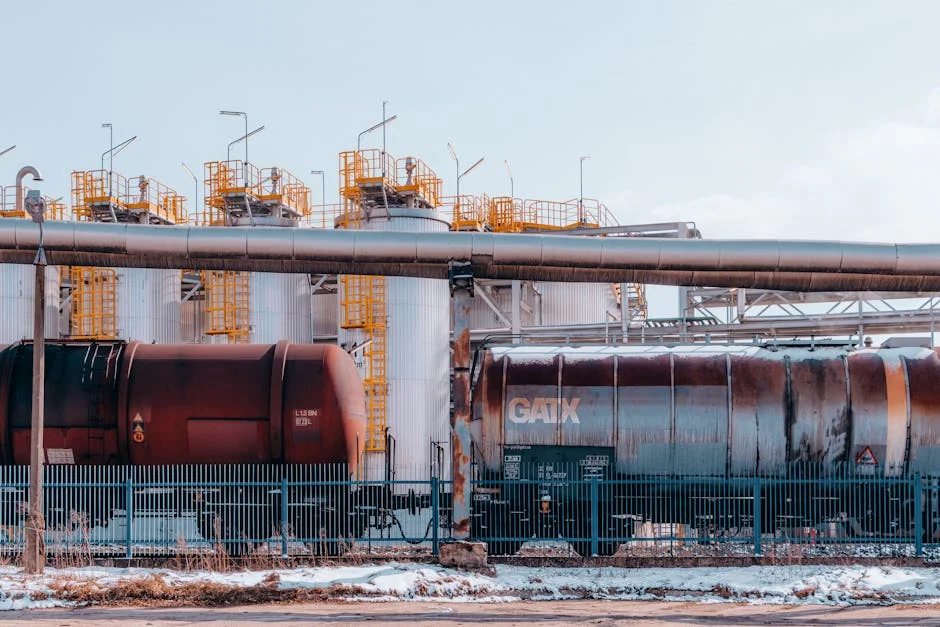
Global oil prices have surged to their highest levels since 2022, driven by fresh geopolitical tensions between Washington and Tehran. Reports indicate that President Donald Trump is set to receive a comprehensive briefing on new strategic options regarding Iran, sparking immediate volatility in energy markets. This development sends shockwaves through global supply chains, directly impacting inflation rates and corporate earnings across continents.
Market Volatility and Energy Costs
Financial markets reacted swiftly to the news, with Brent Crude and West Texas Intermediate (WTI) climbing sharply on trading floors from London to New York. Investors are pricing in the risk of renewed sanctions or military engagement, which could constrain global supply. The uncertainty surrounding the Central Command developments explained by recent intelligence reports has made traders cautious. Energy sector stocks have seen a corresponding rally, as companies like ExxonMobil and Chevron benefit from higher headline prices.

For businesses, this price hike translates directly into higher operational costs. Transportation logistics, manufacturing inputs, and consumer goods prices are all sensitive to crude oil fluctuations. A sustained increase in oil prices can erode profit margins for non-energy sectors, particularly those with high exposure to freight and raw material costs. Companies that have not hedged their fuel exposure may see their quarterly earnings take a hit in the coming months.
Implications for the South African Economy
South Africa, as a net importer of crude oil and refined products, is particularly vulnerable to these global shifts. The rand often weakens against the US dollar when oil prices rise, as the country spends more foreign exchange to secure its energy needs. This dynamic affects everything from the price of petrol at the pump in Johannesburg to the cost of imported machinery for local industries. Understanding how Trump affects South Africa requires looking at these direct transmission channels of global energy markets.
Local investors and businesses must monitor the situation closely, as higher import bills can fuel domestic inflation. The South African Reserve Bank may need to adjust its interest rate outlook if oil-driven inflation persists, potentially slowing down economic growth. Small and medium-sized enterprises (SMEs) with thin margins may struggle to pass on these increased costs to consumers without losing market share. This creates a challenging environment for economic planning and budgeting.
Regional Supply Chain Disruptions
The ripple effects extend beyond direct oil prices to broader supply chain dynamics. If tensions escalate, shipping routes through key chokepoints like the Strait of Hormuz could face disruptions. This would delay the arrival of essential goods, from electronics to agricultural products, affecting retailers and manufacturers alike. Businesses relying on just-in-time delivery models may face stockouts and increased inventory holding costs.
Furthermore, the potential for new sanctions could impact trade flows between the Middle East and emerging markets. Companies operating in both regions may need to re-evaluate their supply chain resilience. Diversifying suppliers and securing long-term contracts may become necessary strategies to mitigate the risk of sudden price spikes or logistical bottlenecks. This proactive approach is crucial for maintaining stability in an increasingly uncertain global trade environment.
Geopolitical Context and Strategic Options


The report from Axios highlights that Trump’s administration is considering a range of options, from diplomatic pressure to targeted military strikes. This mirrors previous strategies aimed at curbing Iran’s nuclear ambitions and its influence in the Persian Gulf. The involvement of Central Command suggests a readiness for rapid deployment or tactical action, adding a layer of immediacy to the situation. These strategic choices have profound implications for global security and economic stability.
Understanding why Central Command matters is essential for grasping the potential scale of the response. As the primary US military command for the Middle East, its actions can quickly alter the balance of power in the region. Any escalation could lead to a broader conflict, drawing in regional allies and rivals alike. This geopolitical complexity makes the situation highly unpredictable, keeping markets on edge and investors vigilant.
Investment Strategies and Risk Management
Investors are advised to adopt a diversified approach to navigate this period of uncertainty. While energy stocks may offer short-term gains, broader market indices could experience volatility due to inflation fears. Bond markets may also react, with yields rising as investors demand higher returns to compensate for inflation risk. It is crucial to assess the exposure of investment portfolios to geopolitical risks and adjust accordingly.
Hedging strategies, such as using futures contracts or options, can help businesses and investors lock in prices and mitigate potential losses. Additionally, maintaining a cash reserve can provide flexibility to seize opportunities that may arise from market corrections. Long-term investors should focus on companies with strong balance sheets and pricing power, which can better withstand cost increases. This disciplined approach can help preserve capital and generate steady returns despite external shocks.
The situation remains fluid, with the upcoming briefing to Trump expected to provide more clarity on the administration’s preferred course of action. Markets will likely continue to react to every new piece of intelligence or diplomatic statement. Investors and businesses should stay informed and prepared for further adjustments in the weeks ahead. Monitoring official announcements from the White House and Central Command developments explained by financial analysts will be key to making informed decisions.