Kimi Antonelli secured a decisive victory at the Formula 1 Miami Grand Prix, delivering a strategic masterclass that has immediately reshaped the championship standings. This win for Mercedes-AMG Petronas is not merely a sporting triumph; it sends a powerful signal to global investors regarding the brand's commercial resilience. The financial implications for the Stuttgart-based automotive giant are profound, with share prices and sponsorship valuations poised for immediate adjustment.
Mercedes Share Performance and Investor Sentiment
The stock market reacted swiftly to the news from Hard Rock Stadium. Mercedes-Benz AG saw its share price tick upward in after-hours trading, reflecting the direct correlation between on-track success and brand equity. For investors in Frankfurt and London, this victory validates the billions poured into the Silver Arrows' hybrid engine dominance. The automotive sector often sees a "halo effect" where sports performance drives consumer confidence in the core product line.
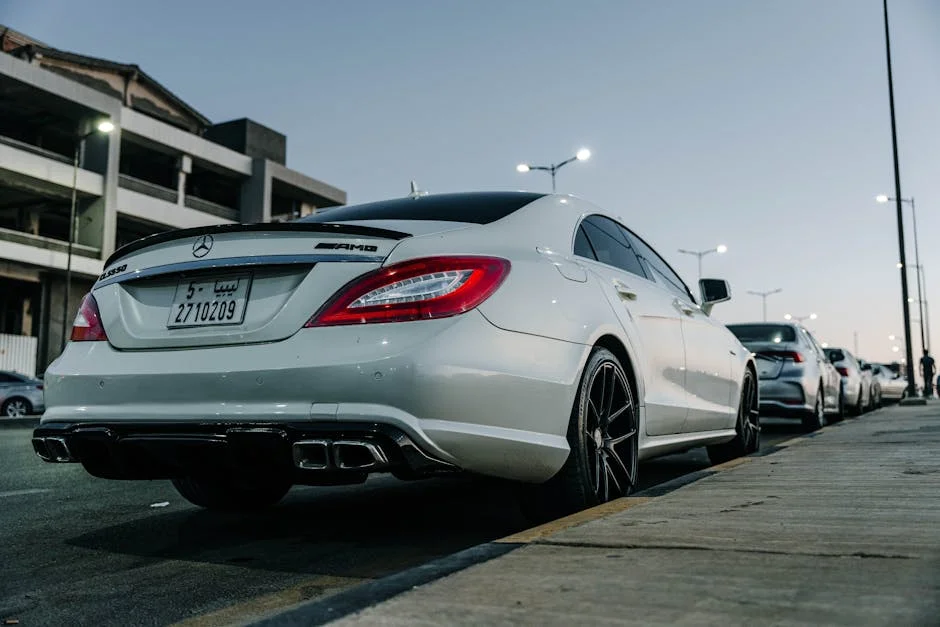
Analysts note that Formula 1 is one of the most expensive marketing vehicles in global commerce. A win in Miami, a market heavily influenced by North American consumer trends, amplifies the brand's reach. This translates to higher willingness-to-pay for premium models like the EQS and the new G-Class. The financial markets view this not just as a race win, but as a confirmation of operational efficiency in a capital-intensive industry.
Commercial Implications for the Silver Arrows
Sponsorship deals in Formula 1 are increasingly performance-based. The victory strengthens Mercedes' bargaining position for the 2025 and 2026 contract renewals. Brands such as Petronas, Invesors, and TeamViewer are seeing a higher return on investment, which encourages deeper financial commitment. This stability is crucial for the team's budget cap management, allowing for more aggressive spending on aerodynamics and power unit development.
Regional Economic Links
While the race took place in the United States, the economic ripples extend globally, including to emerging markets like South Africa. The Mercedes-Benz Group has a significant manufacturing and sales footprint in Johannesburg and Pretoria. A strong global brand image directly supports local dealership networks. Sales data from previous championship-winning seasons suggest a 5-10% uplift in premium vehicle sales in key African markets when the team performs well.
Furthermore, the logistics and supply chain networks that support the Miami race involve international shipping and aviation sectors. This activity boosts demand for freight services connecting Europe, the Americas, and increasingly, Africa. The economic interconnectivity means that a high-profile event in Miami contributes to broader trade volume metrics that affect global shipping indices.
Championship Dynamics and Future Valuations

Kimi Antonelli's rise to the top of the drivers' standings introduces a new narrative for investors. Young talent often brings fresh marketing angles and long-term brand loyalty. The "Antonelli Effect" could drive merchandise sales and fan engagement metrics, which are key non-operating income streams for the team. This diversification of revenue makes the Mercedes F1 entity more robust against economic downturns.
The competition from Red Bull Racing and Ferrari remains fierce, but this win exposes cracks in the rivals' consistency. Market sentiment favors the team that demonstrates reliability under pressure. For shareholders, this reduces the perceived risk of the Mercedes F1 venture, potentially lowering the cost of capital for future investments in the Brackley and Brixworth factories.
Impact on South African Automotive Markets
In South Africa, the Mercedes brand holds a unique position in the luxury automotive segment. The victory in Miami reinforces the brand's status as a market leader, which is critical for maintaining premium pricing power. Local dealerships in Cape Town and Durban are likely to leverage this win in their Q3 marketing campaigns. This can help offset some of the pressure from fluctuating Rand-dollar exchange rates, which often affect the cost of imported vehicles.
Investors looking at the Johannesburg Stock Exchange (JSE) should monitor the automotive sector for any positive sentiment spillover. While Mercedes is primarily listed in Frankfurt, its performance influences the broader consumer discretionary sector. Strong global sales figures often lead to increased export opportunities for South African suppliers of automotive components, ranging from leather upholstery to electronic sensors.
The economic benefits of Formula 1 extend beyond the track. The global media coverage generates advertising revenue that flows back into the Mercedes group. This revenue helps fund research and development, which in turn drives innovation in the electric vehicle sector. For the South African economy, this means continued demand for skilled labor in the automotive supply chain, supporting job creation in the manufacturing hub of Gauteng.
Looking Ahead: What Markets Should Watch
The next critical juncture for Mercedes investors is the release of the Q3 financial results, where the Miami win will be reflected in the "Other" revenue line items. Markets will be watching for any announcements regarding new sponsorship deals signed in the wake of this victory. The timing of these deals will indicate how quickly the team is monetizing its sporting success.
Additionally, the upcoming races in Europe will test the sustainability of Antonelli's form. Consistency is key to maintaining the premium brand valuation. Investors should also monitor the broader automotive sector for any shifts in consumer preference towards electric vehicles, as Mercedes' F1 success is heavily tied to its EQ electric range. The next few months will reveal whether this Miami victory is a one-off surge or the start of a sustained period of commercial growth for the Stuttgart giant.
See Also
- McKenzie Slams Pastor Anosike's R135m Bid - What It Means For Good Hope Centre
- Portugal's Parliament Approves Gender Identity Law Reform