The African National Congress (ANC) expressed outrage this week after Western Cape Premier Alan Winde donned an outfit deemed inappropriate during a parliamentary sitting. The incident, which occurred on Tuesday, has ignited a debate around cultural representation and respect in governance.

Winde's Attire Sparks Outrage

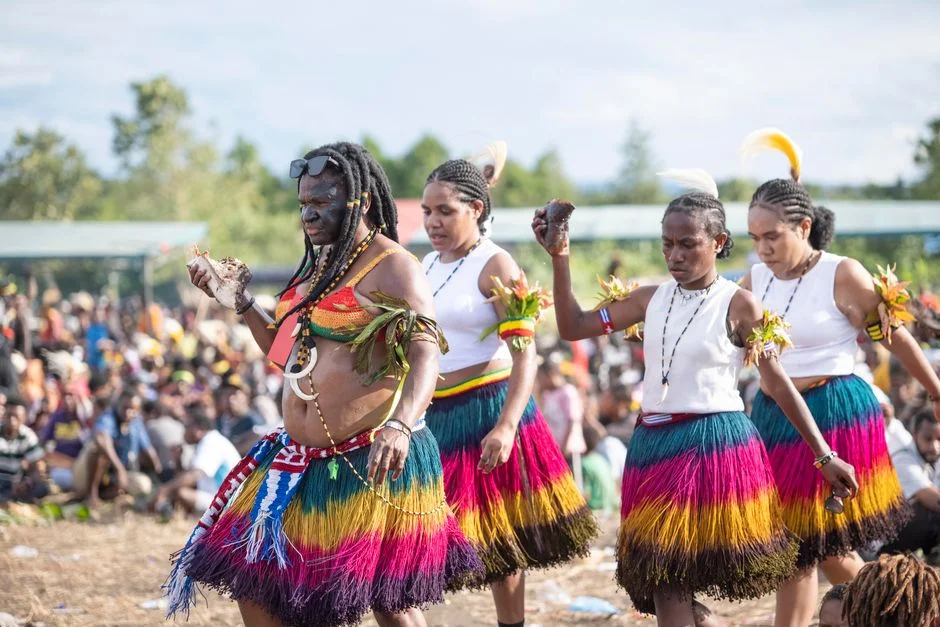
During the parliamentary sitting, Winde was seen wearing traditional attire that many South Africans interpreted as a mockery of cultural significance. The ANC's national spokesperson described the outfit as 'an insult' to the rich tapestry of South African heritage. This incident has led to widespread condemnation, with many citizens taking to social media to express their outrage and disappointment.

ANC Slams Winde's Outfit During Parliament: A Cultural Insult to South Africans — Economy Business
Economy & Business · ANC Slams Winde's Outfit During Parliament: A Cultural Insult to South Africans

Significance of Cultural Sensitivity in Politics

The uproar surrounding Winde's outfit highlights a critical issue in South Africa: the need for cultural sensitivity and respect within political discourse. As the nation strives towards reconciliation and unity post-apartheid, political figures must be mindful of their representations and the messages they send to the public.

Implications for African Development Goals

This incident occurs against a backdrop of ongoing challenges related to governance and social cohesion in South Africa. As the country strives to meet the United Nations Sustainable Development Goals (SDGs), particularly those focused on quality education, reduced inequalities, and peace, justice, and strong institutions, cultural insensitivity can undermine these efforts. The public's reaction to Winde's attire serves as a reminder that leadership requires not just political acumen, but also an understanding and respect for the diverse cultures that make up the nation.

The Economic Context of Cultural Representation

In the context of economic growth, how Winde affects South Africa extends beyond politics and into brand representation. The country’s image abroad is crucial for attracting investment and fostering tourism. Cultural misunderstandings can lead to reputational damage, impacting South Africa’s economic prospects.

Next Steps: What South Africans Should Watch For

As the ANC continues to urge greater accountability and respect from public officials, citizens should keep an eye on the potential fallout from this incident. Will Winde address the concerns raised by the ANC and the public? What steps will be taken to ensure that similar incidents do not occur in the future? The answers to these questions could have lasting implications for governance and social harmony in a nation still navigating the complexities of its diverse identity.

See Also

Editorial Opinion

Cultural misunderstandings can lead to reputational damage, impacting South Africa’s economic prospects.Next Steps: What South Africans Should Watch ForAs the ANC continues to urge greater accountability and respect from public officials, citizens should keep an eye on the potential fallout from this incident. The public's reaction to Winde's attire serves as a reminder that leadership requires not just political acumen, but also an understanding and respect for the diverse cultures that make up the nation.The Economic Context of Cultural RepresentationIn the context of economic growth, how Winde affects South Africa extends beyond politics and into brand representation.

— southafricanews24.com Editorial Team
Sipho Dlamini
Author
Sipho Dlamini is a business and economics journalist based in Johannesburg, covering South Africa's financial markets, corporate sector, and infrastructure challenges. With more than a decade of experience reporting on the JSE, load shedding crises, and the country's evolving labour market, he brings rigorous analysis to complex economic stories.

Sipho has contributed to national business publications and regional financial media, focusing on how macroeconomic policy, energy security, and state-owned enterprise reform affect businesses and households across South Africa. He holds a degree in economics from the University of the Witwatersrand.