Nigeria's financial regulator has revoked the licenses of 23 microfinance banks in what officials describe as the most sweeping enforcement action under the Other Financial Institutions Act in recent memory. The Central Bank announced the cancellations on Thursday, citing persistent violations of capital adequacy requirements and failure to meet mandatory reporting standards. The affected institutions operated across Lagos, Abuja, and five other states, serving an estimated client base that industry observers had previously put at several hundred thousand borrowers and depositors.
Regulatory Basis for the Action
The Central Bank invoked Sections 12 and 17 of the Other Financial Institutions Act as the legal foundation for its intervention. Section 12 empowers the regulator to withdraw licenses from institutions that fail to maintain the minimum paid-up capital threshold, currently set at 500 million naira for regional microfinance banks. Section 17 allows for liquidation proceedings when an institution becomes insolvent or demonstrates an inability to meet obligations to depositors.
Internal documents reviewed by local media outlets suggest investigators found widespread discrepancies between reported loan portfolios and actual disbursements. Some institutions had allegedly inflated their asset values to satisfy regulatory capital calculations, a practice that regulators described as fundamentally incompatible with prudent financial supervision.
Economic Fallout for Underserved Communities
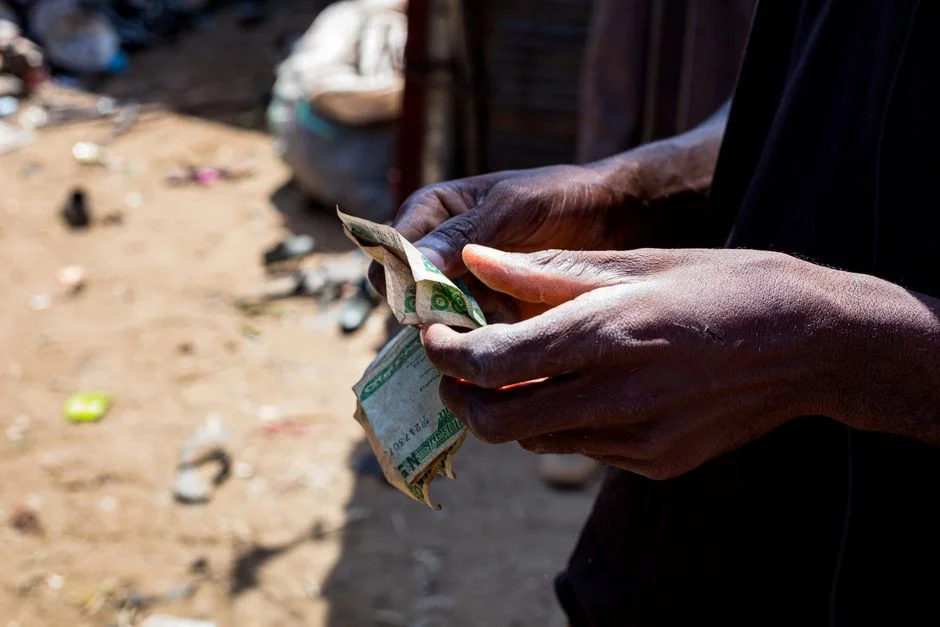
Microfinance institutions in Nigeria occupy a critical niche, extending small loans to market traders, artisans, and small-scale entrepreneurs who cannot access credit through mainstream commercial banks. The closures leave a visible gap in the financial services landscape, particularly in peri-urban areas where brick-and-mortar bank branches remain scarce. The Nigerian Bureau of Statistics has previously documented that microfinance institutions account for roughly 10 percent of total credit extended to the informal sector, making their sudden removal a material disruption for borrowers who relied on these relationships.
Deposit holders at the shuttered institutions face an uncertain recovery process. The Nigeria Deposit Insurance Corporation confirmed it would process claims for eligible depositors, though the corporation's capacity to honour all liabilities quickly remains under scrutiny. Industry contacts suggest that many affected customers kept savings with these banks precisely because larger institutions had rejected their applications, meaning standard banking alternatives may not serve as ready substitutes.
Market Reaction and Investor Confidence


The announcement triggered immediate selling pressure on shares of listed financial institutions with microfinance subsidiaries. Three companies with direct exposure saw their stock prices decline by between 4 and 7 percent during Thursday's trading session on the Nigerian Exchange. Analysts at several Lagos-based investment firms noted that while the enforcement action targets unlicensed or non-compliant operators, the reputational spillover could dampen sentiment toward the broader microfinance sector.
Foreign portfolio investors monitoring Nigeria's financial sector from South Africa and other regional markets flagged the developments as a test of regulatory credibility. One emerging markets fund manager based in Johannesburg told reporters that clear, consistent enforcement of banking regulations is essential for maintaining international confidence in Nigeria's capital markets. The timing is delicate, coming as Nigeria implements reforms to attract foreign direct investment following its recent sovereign debt restructuring.
Broader Regulatory Context
The Central Bank has intensified its supervisory cadence over the past eighteen months, part of a broader effort to strengthen the resilience of Nigeria's financial system. Earlier actions resulted in the closure of several finance companies and a Bureau de Change operator, though the latest round represents a larger concentration of enforcement within the microfinance subsector. Officials have signalled that ongoing examinations will continue, with additional institutions likely to receive compliance directives before the end of the quarter.
The Central Bank's director of financial policy and regulation acknowledged in a statement that the closures would cause short-term disruption but argued that protecting depositor funds and maintaining systemic stability justified the intervention. The regulator also emphasized that licensed microfinance institutions remain operational and continue to serve customers across all states.
What Comes Next
The Central Bank has given affected institutions 30 days to submit liquidation plans. Depositors have been directed to file claims through the Nigeria Deposit Insurance Corporation's portal, with an initial deadline for submissions set for mid-January. Consumer advocacy groups in Lagos have already begun organizing community meetings to advise affected customers on their options, particularly those with outstanding loans who may face collection pressure despite the institutions' closure.
Market participants should watch for the Central Bank's next supervisory report, expected in February, which will indicate whether additional enforcement actions are pending. South African financial institutions with cross-border exposure to Nigerian microfinance operations may need to assess their risk positioning in light of the heightened regulatory environment.
See Also
- United States Imposes Sanctions on Rwanda: Regional Impact Felt in Mozambique
- Ramaphosa Confirms Immigration Sweep After Violent Protests Hit Three Cities
Analysts at several Lagos-based investment firms noted that while the enforcement action targets unlicensed or non-compliant operators, the reputational spillover could dampen sentiment toward the broader microfinance sector.Foreign portfolio investors monitoring Nigeria's financial sector from South Africa and other regional markets flagged the developments as a test of regulatory credibility. One emerging markets fund manager based in Johannesburg told reporters that clear, consistent enforcement of banking regulations is essential for maintaining international confidence in Nigeria's capital markets.