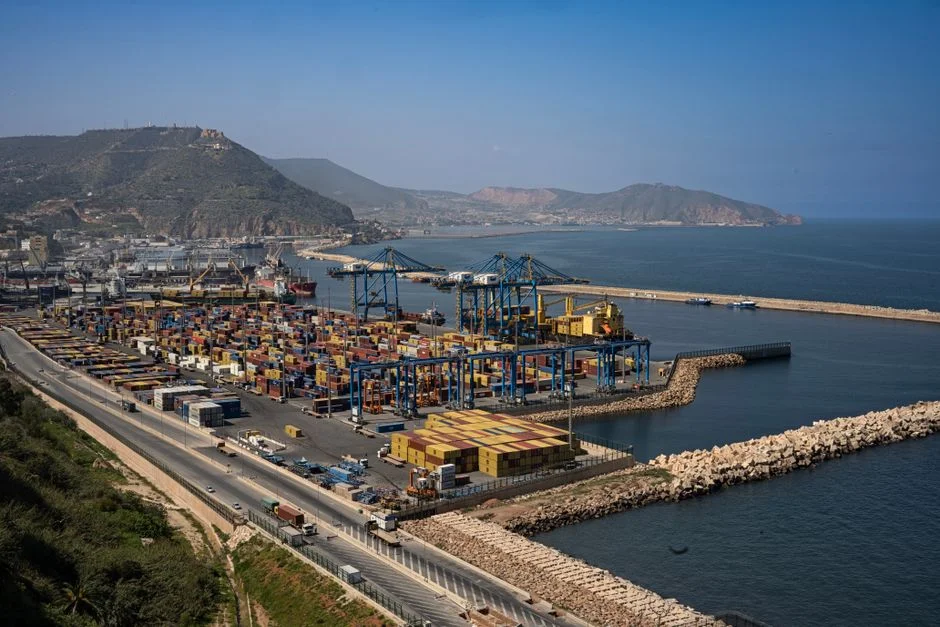
In a bold shift towards digitisation, African leaders are redefining trade dynamics. As of October 2023, the African Union has initiated a continent-wide data-sharing platform to enhance trade efficiency and transparency, promising significant implications for South Africa's trade economy.
Data-Driven Trade Initiatives Transforming Africa
This new initiative, launched during the 36th African Union Summit in Addis Ababa, aims to facilitate seamless trade across member states by leveraging data analytics. The platform will enable real-time tracking of goods, streamlining customs procedures and reducing transit times. According to the African Union, this shift is expected to boost intra-African trade by 25% within the next five years.
South Africa's Role in the Continental Trade Landscape
As Africa's most industrialised nation, South Africa stands to gain significantly from these developments. The country has historically been a key player in regional trade, exporting commodities such as minerals and agricultural products. However, inefficiencies in logistics and outdated trade procedures have hindered potential growth. With the implementation of the new data-sharing platform, South Africa can enhance its trade relationships, particularly with neighbouring countries in the Southern African Development Community (SADC).
Challenges of Implementing a Unified Data System


Despite the promising outlook, the rollout of the data-sharing platform presents several challenges. Infrastructure deficits, particularly in rural areas, pose a significant obstacle to effective data transmission and trade facilitation. Furthermore, differing regulatory frameworks across countries may complicate the harmonisation of trade laws and practices. Experts warn that without addressing these issues, the ambitious goals set by the African Union may falter.
Examining the Broader Impact on Health and Education
The implications of enhanced trade go beyond mere economic metrics. Increased trade efficiency can lead to improved access to health services and educational resources, particularly in underserved regions. With better logistics, essential goods such as medical supplies and educational materials can reach remote areas more swiftly, contributing to the overall development goals outlined in the African Continental Free Trade Area (AfCFTA).
Looking Ahead: The Future of Trade in Africa
As the African Union pushes forward with this data-driven approach, South Africa must adapt to the evolving landscape. Stakeholders in the private sector and government must collaborate to optimise infrastructure and embrace technology. The success of this initiative could serve as a model for other sectors, ultimately contributing to sustainable economic growth and enhancing the quality of life for millions across the continent.
See Also
- Nepal Votes Amid Economic Uncertainty - What It Means for South Africa
- Young South African Entrepreneurs Confront High Failure Rates — Here's What They Face
Experts warn that without addressing these issues, the ambitious goals set by the African Union may falter.Examining the Broader Impact on Health and EducationThe implications of enhanced trade go beyond mere economic metrics. Infrastructure deficits, particularly in rural areas, pose a significant obstacle to effective data transmission and trade facilitation.
What is the latest news about trade data revolutionises african economy what it means for south africa?
Why does this matter for economy-business?
What are the key facts about trade data revolutionises african economy what it means for south africa?