South Africa takes on South Korea in a FIFA World Cup group match on Thursday, with economists watching closely for the financial fallout from the nation's tournament performance. The match at a yet-to-be-confirmed venue comes as the country's sports sector seeks to rebuild following years of pandemic-era losses that stripped local football clubs of critical matchday revenue.
Matchup Carries Weight Beyond the Pitch
The clash between South Africa and South Korea pits two nations whose football federations have taken sharply different approaches to commercialising their national teams. South Korea's K-League has attracted sustained investment from chaebol conglomerates, while South Africa's Premier Soccer League continues to wrestle with sponsorships that have failed to keep pace with inflation since 2019. Industry observers suggest the result could influence how global brands perceive each nation's football market for the next qualification cycle.
Mexico and Czechia meet in the other group-stage fixture scheduled for the same day, a matchup that carries indirect consequences for South Africa's advancement hopes. A Mexican victory would likely solidify Group F's competitive hierarchy and potentially ease South Africa's path to the knockout rounds if goal differential becomes decisive.
Broadcasting Rights and Television Revenue
FIFA World Cup broadcasting deals for this cycle are estimated to have generated over $4.2 billion globally, with South African broadcaster SuperSport holding exclusive rights for sub-Saharan Africa. The company's parent, MultiChoice, reported a 12 percent year-on-year increase in subscription revenue during the last major tournament cycle, a figure executives attributed partly to live football content driving new customer sign-ups. Thursday's match will test whether South African audiences tune in at the same rates they did for the men's tournament, when peak viewership exceeded 8 million households.
Advertising inventory during live World Cup broadcasts commands premium rates, with 30-second slots during prime-time matches reportedly selling for up to R450,000 in the South African market. Local brands scrambling to secure airtime include mobile network operator Vodacom and automotive manufacturer Toyota, both of which maintain long-standing partnerships with the South African Football Association.
Hospitality Sector Braces for Impact

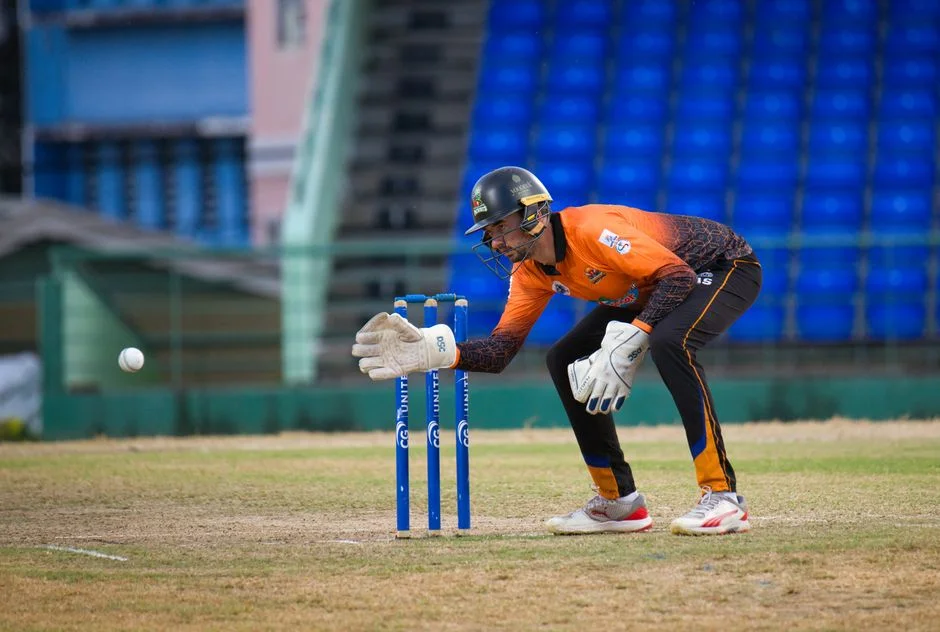
Hotels and restaurants in major South African cities typically experience a measurable uptick in business during national team tournament appearances. The Tourism Business Council of South Africa noted that the women's national team matches during the 2023 FIFA Women's World Cup in Australia and New Zealand generated significant interest among diaspora communities, with travel agencies reporting booking spikes for match-watching events in Johannesburg and Cape Town.
Casinos affiliated with the Tsogo Sun group have historically offered match-day promotions tied to Bafana Bafana performances, with some outlets reporting patron volumes increasing by up to 30 percent during tournament periods. Industry sources suggest these promotions will likely return for Thursday's fixture, though the economic benefit remains unevenly distributed between venues with large-screen viewing capabilities and smaller establishments reliant on walk-in trade.
Player Valuations and Transfer Market Implications
The performance of individual South African players in Thursday's match could have tangible consequences for their club careers. At least three members of the current squad play for clubs in European leagues, where scouts from top-tier teams regularly assess talent during international fixtures. A standout performance against South Korea might accelerate transfer interest from clubs in Portugal and Belgium, where South African players have found a growing foothold in recent seasons.
South Korea's squad features several players from the domestic K-League, a league that has invested heavily in youth development programmes backed by government sport-for-growth initiatives. The contrast in development models has drawn attention from South African sports economists, who argue the country needs to formalise its own pipeline if it hopes to generate consistent commercial returns from international football exposure.
What Comes Next
Group F standings will shift regardless of Thursday's result, but analysts suggest South Africa's path to the quarter-finals depends heavily on goal differential. If South Africa fails to secure a positive result against South Korea, the team will need to defeat Mexico in its final group match and hope other results fall favourably. The economic modelling used by sports administrators projects that advancing past the group stage would unlock an additional R180 million in prize money distributed across the national federation, player appearance fees, and grassroots development funding.
Fans in Johannesburg, Cape Town, and Durban are expected to pack public viewing areas beginning at 18:00 local time. Kickoff is scheduled for 19:00. Broadcasters have added extra commentary teams to handle anticipated demand, and public transport operators in major cities have extended operating hours to accommodate late-night travel. The South African Football Association has urged supporters to purchase tickets through official channels, warning that counterfeit merchandise and unauthorized resale platforms have proliferated during previous tournament cycles.
See Also
- SARS Demands Vehicle Owners Register — Fines Loom for Non-Compliance
- Kapp's 81 Powers South Africa to Stunning Win Against India at World Cup