Nigeria's largest container terminal is anchoring the country's export ambitions, according to remarks delivered at an industry workshop hosted by the Lagos Business School. The comments from Kapito position APMT Apapa as the backbone of Nigeria's international trade infrastructure, with implications stretching from local manufacturers to foreign investors watching West African market opportunities.
APMT Apapa's Central Role in Trade
Located in Lagos, the commercial heartbeat of Nigeria, APMT Apapa handles the bulk of the nation's containerised exports. The facility processes everything from agricultural commodities to manufactured goods, serving as the primary gateway for Nigerian businesses seeking international markets. Trade analysts have long recognised the port's strategic importance, but Kapito's remarks at the Lagos Business School workshop brought renewed attention to its specific function as an export driver.
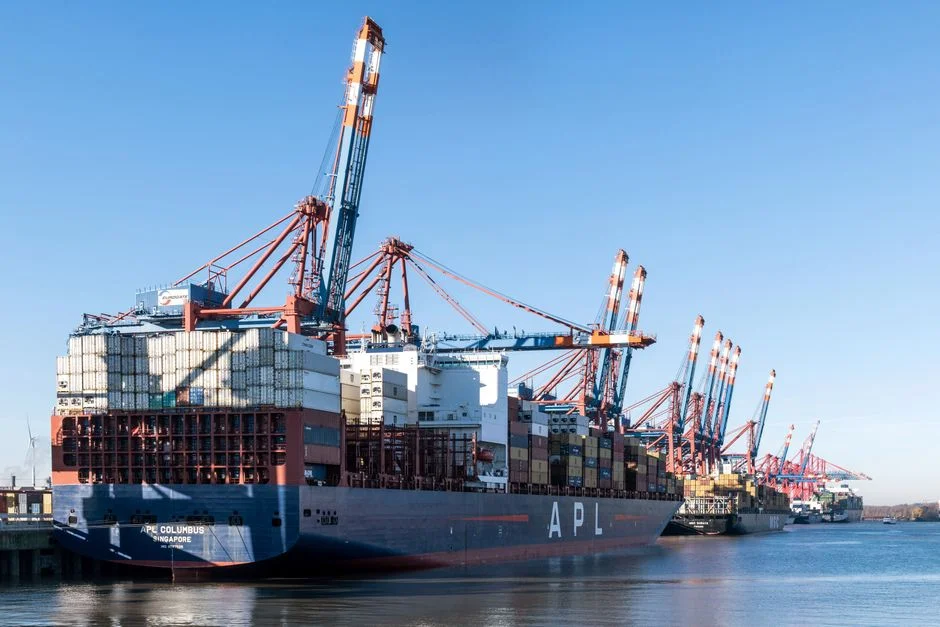
The terminal operator manages vessels connecting Nigeria to global shipping routes across Europe, Asia, and the Americas. For Nigerian exporters, efficient port operations translate directly into competitive pricing and delivery reliability. Any congestion or operational bottleneck at Apapa ripples through supply chains that extend far beyond the Lagos waterfront.
The Export Management Workshop Context
The Lagos Business School gathered industry professionals and trade specialists for a workshop focused on strengthening Nigeria's export capabilities. Kapito's presentation outlined how infrastructure at Apapa underpins the entire export ecosystem. The session addressed both challenges facing exporters and opportunities for growth through improved logistics coordination.
Participants discussed ways to streamline procedures for businesses looking to enter foreign markets. The workshop format allowed for direct engagement between practitioners and academics, bridging the gap between theoretical trade frameworks and operational realities on the ground at Apapa.
Economic Implications for Nigerian Business


For Nigerian manufacturers and agricultural producers, the efficiency of Apapa directly affects profit margins. Exporters compete internationally on cost, and shipping expenses represent a significant portion of total landed cost. When the port operates smoothly, Nigerian goods become more price-competitive in overseas markets.
Small and medium enterprises face particular challenges accessing international trade opportunities. Port infrastructure improvements discussed at the workshop could lower barriers for smaller exporters who previously found the logistics complexity overwhelming. The Lagos Business School has increasingly incorporated practical trade logistics into its curriculum, responding to demand from the business community.
What This Means for Investors
Foreign investors monitoring West African markets should note the emphasis on export infrastructure development. Nigeria's ability to increase export volumes depends heavily on port capacity and efficiency. Any investment in expanding Apapa's capabilities signals commitment to trade-led economic growth.
Logistics companies, shipping operators, and supply chain service providers stand to benefit from improvements at the terminal. Investors in Nigerian manufacturing also gain confidence when export infrastructure functions reliably, as it validates assumptions about getting products to international customers. The workshop's focus on export management suggests growing institutional attention to trade facilitation as an economic priority.
Broader Trade Landscape
Nigeria has sought to diversify its economy away from oil dependency, and non-oil exports represent a key part of that strategy. Agricultural products, processed foods, and manufactured goods all require functional port infrastructure to reach buyers abroad. APMT Apapa sits at the intersection of these ambitions and practical logistics.
The terminal's performance also affects Nigeria's trade balance calculations. Efficient exports generate foreign exchange earnings that support the naira and fund imports of essential goods. Trade policy discussions frequently reference port capacity as a constraint on export growth potential.
Looking Ahead
The Lagos Business School plans to continue hosting industry dialogues on trade infrastructure topics. Participants at the export management workshop identified several areas requiring further analysis, including customs procedures and multimodal transport connections to the port.
Investors and business leaders should monitor announcements regarding capacity expansions or operational improvements at APMT Apapa. The workshop underscored that infrastructure development remains closely tied to Nigeria's export growth ambitions. What happens at this Lagos terminal will shape trading opportunities across the region for years to come.
See Also
- Jaishankar Addresses Sinking of Iran's IRIS Dena: Implications for South Africa
- Botsotso Exposes Ntuthuko in Deadly Mystery — What This Means for South Africa
What is the latest news about apapa port powers nigerias export trade lagos business school workshop reveals?
Why does this matter for economy-business?
What are the key facts about apapa port powers nigerias export trade lagos business school workshop reveals?