Madrid has unveiled ambitious plans to expand its urban green spaces, aiming to cover 50% of the city with parks and gardens by 2030. This move not only enhances the quality of life for residents but also sets an inspiring example for other cities across Africa, where urbanisation is rapidly increasing.
Madrid's Green Ambitions
The Spanish capital has long been known for its beautiful parks and squares, but now it aims to take its green credentials to the next level. By increasing the amount of green space, Madrid hopes to improve air quality, reduce heat island effects, and provide more recreational areas for its growing population. This initiative is part of a larger strategy to make Madrid a leader in sustainable urban living.
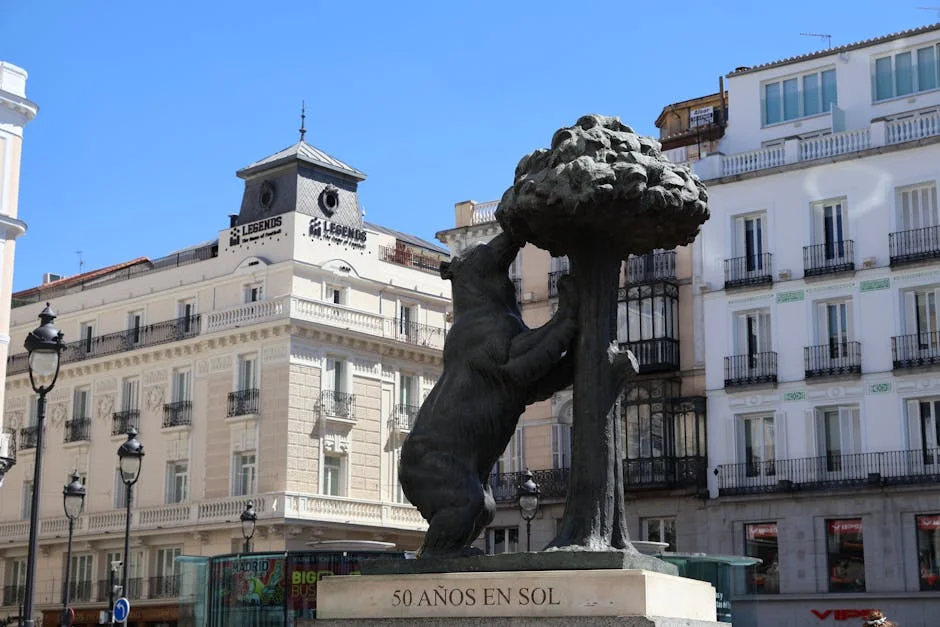
According to the city’s mayor, this expansion of green spaces is crucial for Madrid's future, stating, "Our goal is to create a healthier, more vibrant city for everyone. By focusing on green spaces, we can address several urban challenges at once."
African Urbanisation Challenges
In Africa, rapid urbanisation has brought about numerous challenges, including overcrowding, pollution, and a lack of accessible green spaces. As more people move to cities in search of better opportunities, the demand for well-planned urban environments becomes increasingly important.
Cities such as Lagos, Kinshasa, and Dar es Salaam are experiencing exponential growth, and they face significant hurdles in providing adequate housing, healthcare, and education for their citizens. The success of Madrid's green space expansion offers valuable lessons for these African metropolises, highlighting the importance of integrating nature into urban planning.
Economic Growth and Health Benefits


The creation of more green spaces in Madrid is expected to boost local economies through increased tourism and property values. Additionally, studies have shown that access to green areas improves mental and physical health, which can lead to a more productive workforce and lower healthcare costs.
In Africa, similar benefits could be achieved by prioritising green infrastructure. For instance, in Nairobi, Kenya, the establishment of Uhuru Park has become a central gathering place for residents and visitors alike, enhancing both social cohesion and economic activity.
Education and Governance
The expansion of green spaces in Madrid also provides educational opportunities for young people, allowing them to learn about ecology, biodiversity, and environmental sustainability. This focus on environmental education is crucial for fostering a new generation of eco-conscious citizens.
In Africa, improving governance and education systems is essential for successful urban development. By learning from Madrid's approach, African cities can implement policies that support sustainable growth, enhance public health, and promote environmental awareness among their populations.
Looking Ahead
Madrid's commitment to expanding its green spaces demonstrates the potential for cities to create positive change through strategic planning and investment. As African cities continue to grow, they can look to Madrid as an example of how to balance urban development with environmental sustainability.
The success of these initiatives in Madrid could inspire a wave of similar projects across the continent, contributing to the overall goal of creating healthier, more prosperous urban environments for millions of Africans.
See Also
- Azul Halts Flights Amid Fuel Crisis — Passengers Left in Limbo
- Marcelo Criticises Trump Behind Closed Doors: What It Means for South Africa
See AlsoAzul Halts Flights Amid Fuel Crisis — Passengers Left in LimboMarcelo Criticises Trump Behind Closed Doors: What It Means for South Africa Additionally, studies have shown that access to green areas improves mental and physical health, which can lead to a more productive workforce and lower healthcare costs.
What is the latest news about madrids urban green spaces expand a model for african cities?
Why does this matter for economy-business?
What are the key facts about madrids urban green spaces expand a model for african cities?