Egyptian President Abdel Fattah Sissi announced a state of near-economic emergency on Monday, citing escalating inflation and currency devaluation as critical challenges. This declaration comes amid rising discontent among the population and growing pressures on the nation’s economic stability.

Inflation Hits Record Highs in Egypt

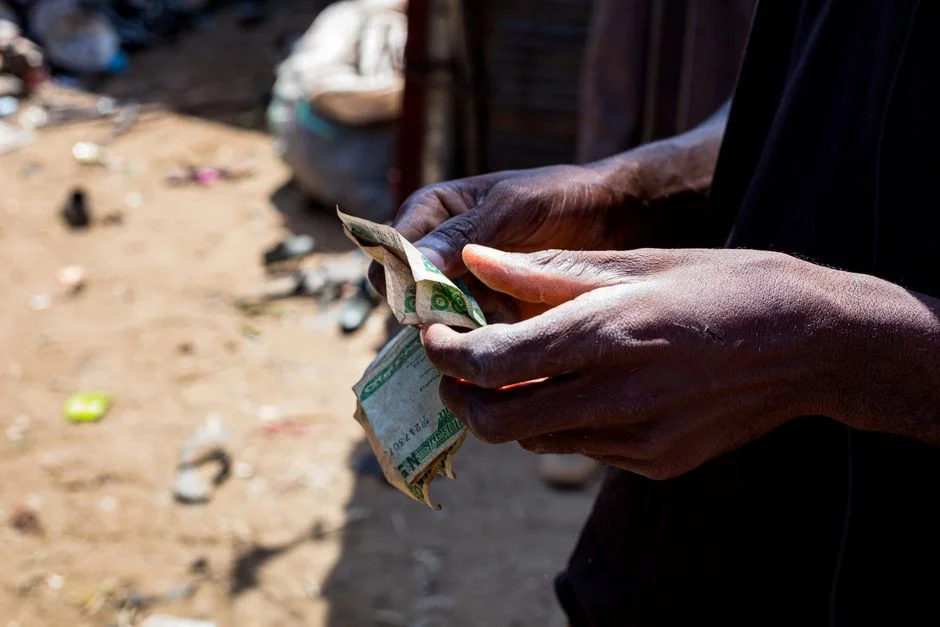
In his address, President Sissi revealed that inflation rates have surged to unprecedented levels, with food prices escalating sharply, exacerbating the plight of ordinary Egyptians. The national currency has lost significant value against the dollar, leading to increased costs of imports and straining the economy further. This urgent situation has compelled the government to seek immediate fiscal interventions to stabilise the economy.

President Sissi Declares Egypt in Economic Emergency — What This Means for Africa — Economy Business
Economy & Business · President Sissi Declares Egypt in Economic Emergency — What This Means for Africa

Context: Egypt's Economic Struggles

This economic crisis is not isolated; it reflects broader trends across the continent, where many African nations grapple with similar issues such as high inflation, currency instability, and inadequate infrastructure. The economic challenges faced by Egypt underscore the pressing need for comprehensive reforms in governance and economic policies, aligning with the African Union’s Agenda 2063, which aims for sustainable development across the continent.

Consequences for African Development Goals

President Sissi's declaration raises significant questions about Egypt's commitment to achieving the Sustainable Development Goals (SDGs). As one of the largest economies in Africa, Egypt's recovery is critical not only for its citizens but also for the region’s economic landscape. The ongoing crisis could hinder progress in health, education, and infrastructure development, essential components of Africa’s collective growth agenda.

International Response and Opportunities

The international community is closely monitoring Egypt’s situation, with potential implications for foreign investment and aid. Countries like South Africa, which have faced their own economic challenges, are likely paying attention to how Egypt navigates this crisis. Collaborative efforts among African nations could provide a framework for addressing these common challenges, fostering a spirit of pan-African solidarity and mutual support.

What’s Next for Egypt and Africa?

As Egypt grapples with this economic emergency, the global and continental response will be critical. Stakeholders should watch for potential economic reforms and international partnerships that could emerge from this situation. The developments in Egypt serve as a cautionary tale for other African nations to proactively address their economic vulnerabilities and work towards sustainable solutions that align with the continent's development goals.

See Also

Editorial Opinion

Collaborative efforts among African nations could provide a framework for addressing these common challenges, fostering a spirit of pan-African solidarity and mutual support.What’s Next for Egypt and Africa?As Egypt grapples with this economic emergency, the global and continental response will be critical. Stakeholders should watch for potential economic reforms and international partnerships that could emerge from this situation.

— southafricanews24.com Editorial Team
Sipho Dlamini
Author
Sipho Dlamini is a business and economics journalist based in Johannesburg, covering South Africa's financial markets, corporate sector, and infrastructure challenges. With more than a decade of experience reporting on the JSE, load shedding crises, and the country's evolving labour market, he brings rigorous analysis to complex economic stories.

Sipho has contributed to national business publications and regional financial media, focusing on how macroeconomic policy, energy security, and state-owned enterprise reform affect businesses and households across South Africa. He holds a degree in economics from the University of the Witwatersrand.