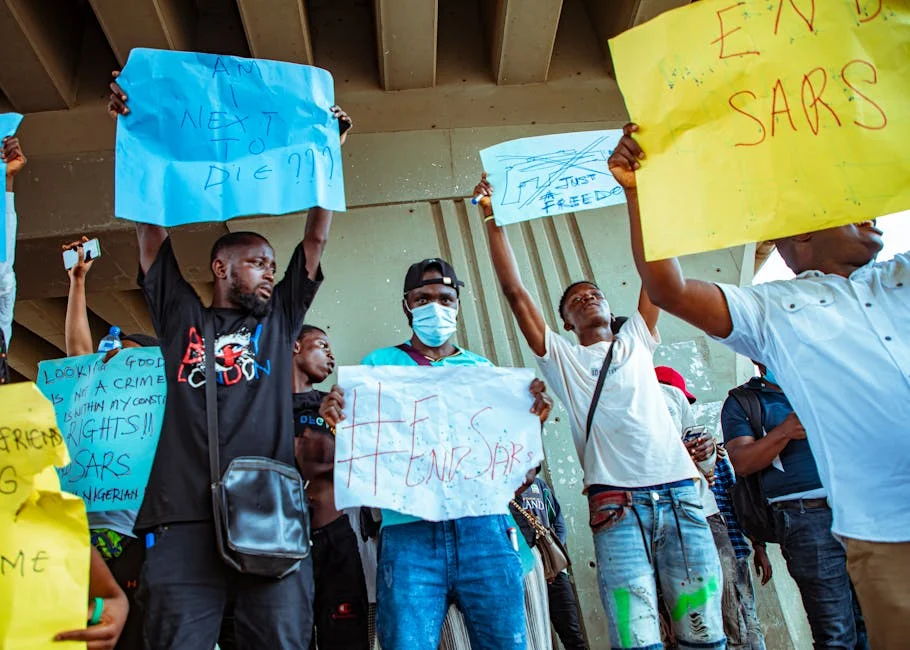
A prominent Zimbabwean civic organisation called on Harare this week to begin formal repatriation procedures for citizens currently residing in South Africa, after months of escalating displacement incidents in Johannesburg and surrounding economic hubs.
The call, delivered during a press briefing at the Zimbabwe International Trade and Exhibition Centre, comes as cross-border tensions between South African employers and Zimbabwean migrant workers have intensified over the past two quarters, according to data from the Southern African Development Community migration observatory.
Pressure Mounts on Harare to Act
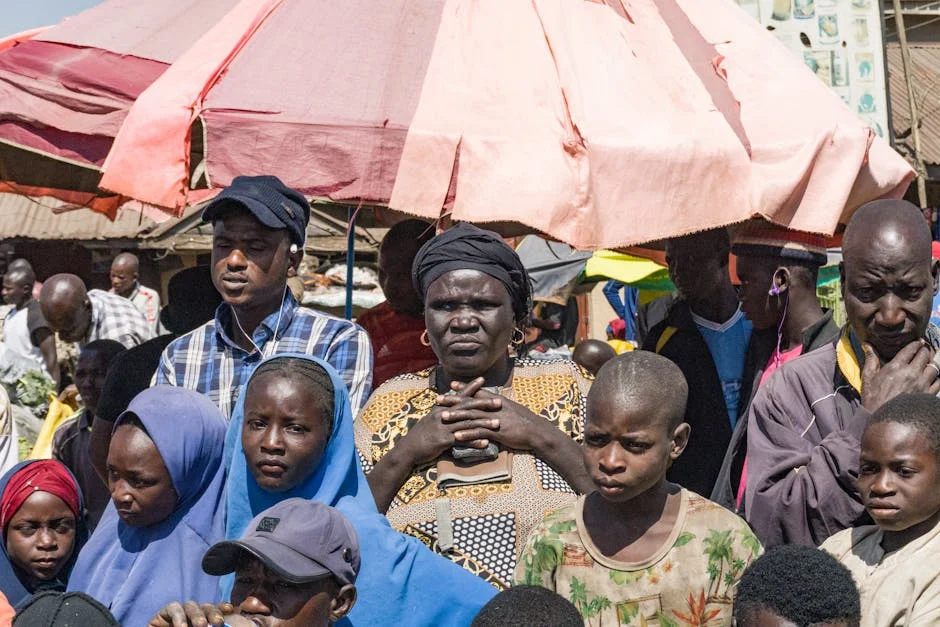
The Zimbabwe Migrant Welfare Alliance, which claims to represent approximately 200 community associations across Gauteng and Western Cape provinces, submitted a formal petition to the Ministry of Foreign Affairs demanding government-assisted return programmes be operationalised by the end of the current quarter.
"Our people are being pushed out of informal settlements with no recourse," said Alliance chairman Fungai Chimedza at the briefing. "The dignity of Zimbabweans must be restored, and that means bringing them home where they can contribute to their own economy."
The petition outlined specific incidents in Alexanderspan, an informal settlement on Cape Town's northern outskirts, where authorities demolished structures belonging to an estimated 340 families in September. The City of Cape Town confirmed the operation in a statement, citing unauthorised land occupation and inadequate service delivery infrastructure.
Economic Ripples Through South African Industries
The potential exodus of Zimbabwean workers poses immediate challenges for South African businesses that have come to rely on the flexible labour supply. Agriculture, construction, and domestic services sectors have historically absorbed significant numbers of Zimbabwean migrants willing to accept wages below domestic market rates.
A survey conducted by the South African Chamber of Commerce and Industry in August found that 67% of member firms in the Western Cape reported difficulty filling seasonal agricultural positions. The chamber's chief economist,, noted that labour shortages in this sector alone could cost producers an estimated R2.3 billion in unrealised export revenue annually.
Agricultural Sector Faces Shortage
The wine and fruit industries in the Cape Winelands have become particularly dependent on Zimbabwean seasonal workers since the early 2000s. Farms in Franschhoek and Stellenbosch have publicly acknowledged that local South African job seekers consistently decline positions offering monthly wages of R4,800 to R6,200, citing the physically demanding nature of vineyard work.
If repatriation programmes materialise at scale, farms could face a 15 to 20 percent reduction in available harvest labour during the critical picking season from January through March.
What Repatriation Would Cost Zimbabwe


For Harare, accepting hundreds of thousands of returning citizens presents its own fiscal headaches. The Zimbabwean economy, still recovering from hyperinflation that peaked at 231 million percent in 2008, currently operates with limited capacity to absorb sudden labour market entrants.
Official unemployment in Zimbabwe stands at 16.4 percent according to the national statistics office, though independent economists routinely place the real figure above 40 percent when accounting for discouraged workers who have stopped seeking employment. Bringing home 100,000 workers alone would require creating an estimated 23,000 new formal positions just to maintain current unemployment levels.
Finance Minister Mthuli Ncube faces the unenviable task of balancing repatriation logistics against existing budget commitments. The government allocated ZW$318 billion for social welfare programmes in the 2024 budget, representing a 12 percent increase from the prior year, yet aid organisations report that food insecurity affects approximately 4.1 million rural households.
Cross-Border Remittance Flows at Risk
South Africa serves as one of the largest sources of foreign currency inflows into Zimbabwe through migrant remittances. The Reserve Bank of Zimbabwe recorded inbound transfers of US$1.47 billion during 2023, with South Africa accounting for an estimated 38 percent of the total, according to the bank's quarterly balance of payments report.
Any significant reduction in the Zimbabwean diaspora population would directly impact these flows, creating additional pressure on the Zimbabwean dollar, which has lost approximately 45 percent of its value against the United States dollar on the parallel market since January.
Commercial banks in Harare have already begun stress-testing their treasury operations against potential remittance volume declines. Stanbic Bank Zimbabwe, one of the largest cross-border payment processors in the country, declined to comment on specific contingency measures.
Political Calculus in Both Nations
The repatriation debate intersects with delicate domestic politics in both countries. South Africa's ruling African National Congress faces local criticism from trade unions demanding preferential hiring policies for South African citizens, while opposition parties have capitalised on immigration sentiment in voter outreach campaigns.
Zimbabwe's President Emmerson Mnangagwa, meanwhile, has staked considerable political capital on economic recovery programmes that depend partly on diaspora engagement. Returning migrants symbolise a failure of his administration's promises to rebuild domestic industry and create opportunities that would discourage emigration in the first place.
The matter is expected to surface during the upcoming Southern African Development Community heads of state summit scheduled for December in Luanda, Angola. Diplomatic sources indicated that migration management and cross-border labour agreements will feature prominently on the formal agenda following informal consultations between South African and Zimbabwean foreign ministries last week.
What Happens Next
Harare must respond to the formal petition within 30 days under existing civic engagement regulations. Government spokesperson Nick Mangwanya indicated that cabinet is reviewing the request but emphasised that any repatriation programme would require South African cooperation on documentation and transport logistics.
Watch for the next South African cabinet meeting, where officials are expected to outline their position on processing returning Zimbabwean citizens. The outcome will likely determine whether this remains a bilateral diplomatic discussion or escalates into a broader regional migration crisis that could affect capital flows and labour markets across southern Africa for years to come.
See Also
- Joseph Waya Camp Rejects ADC Primary Results, Threatening Benue Political Landscape
- Ramaphosa Faces Impeachment Hearing — Economic Uncertainty Looms Ahead
What is the latest news about zimbabwe demands citizens return from south africa labour market panic grows?
Why does this matter for politics-governance?
What are the key facts about zimbabwe demands citizens return from south africa labour market panic grows?