Africa's Great Green Wall project has now stretched across 8,000 kilometres of the continent's arid Sahel region, officially becoming the world's second-largest living structure after China's Great Wall. The initiative, designed to combat desertification, restore degraded land, and improve food security for millions, has drawn increasing attention from international investors, agricultural businesses, and carbon market participants. While the environmental goals dominate headlines, the economic implications are rapidly becoming impossible to ignore.
From Vision to Economic Reality
The Great Green Wall began as an ambitious African Union project launched in 2007, aimed at planting a belt of trees, grasses, and shrubs across the Sahel from Senegal to Djibouti. What started as an ecological crusade against desert encroachment has evolved into a multi-billion dollar economic enterprise that is reshaping land values, agricultural productivity, and investment flows across eleven countries.
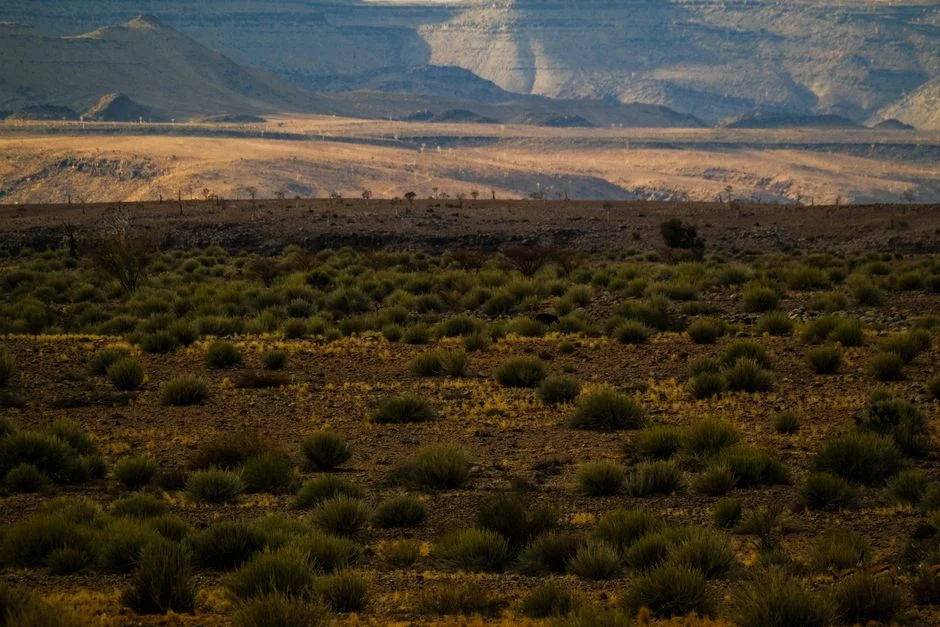
According to the African Union's latest progress report, the initiative has already restored over 18 million hectares of land, with an explicit target of restoring 100 million hectares by 2030. The scale of this restoration directly translates into productive agricultural land that was previously useless, creating measurable economic output in some of the world's poorest regions.
The African Development Bank has committed substantial financing to the project, recognising that land restoration in the Sahel addresses both climate vulnerability and economic stagnation. The bank has noted that every dollar invested in land restoration generates approximately three dollars in economic returns through increased agricultural yields, reduced disaster relief costs, and improved livestock productivity.
How Land Restoration Drives Economic Returns
The transformation of degraded land into productive terrain carries profound implications for agricultural businesses operating in or near the Sahel. Countries like Senegal, Niger, and Ethiopia have reported measurable increases in crop yields in areas where the Great Green Wall interventions have taken hold. These aren't marginal improvements — farmers in restored zones have documented yield increases ranging from 20 to 50 percent for staple crops including millet, sorghum, and cowpeas.
For commodity traders and food security investors, this represents a fundamental shift in the productive capacity of a region that has historically been a net food importer. The Sahel contains some of Africa's fastest-growing populations, and improved agricultural output reduces dependency on imported grains while creating surplus for regional markets.
The restoration work also supports livestock economies that underpin the livelihoods of pastoral communities across Mauritania, Mali, Burkina Faso, and Chad. Restored vegetation provides fodder for cattle, goats, and sheep during dry seasons when grazing land traditionally disappears. This fodder security reduces livestock mortality rates and improves animal weights, directly benefiting meat and dairy supply chains.
Carbon Markets and the Investment Opportunity


Perhaps the most significant market implication of the Great Green Wall involves carbon sequestration. Restored land absorbs carbon dioxide from the atmosphere, generating credits that can be sold on voluntary or compliance carbon markets. The initiative's potential carbon sequestration capacity has attracted scrutiny from carbon market analysts and impact investors seeking verifiable climate outcomes.
The Congo Basin Observatory, which tracks carbon dynamics across African reforestation projects, has noted that Sahelian restoration efforts face different soil and climate conditions than tropical forest projects, requiring careful monitoring protocols to ensure carbon credit integrity. This technical challenge has not deterred investors — it has instead attracted those with long-term horizons who understand the complexities of semi-arid carbon accounting.
Several carbon market firms have already struck agreements with Great Green Wall implementing organisations, purchasing credits generated through farmer-managed natural regeneration programmes. These transactions inject cash directly into rural economies where formal employment opportunities remain scarce. The World Bank has identified the Great Green Wall as a priority programme for its Forest Carbon Partnership Facility, which supports carbon credit development in developing countries.
Insurance and Risk Implications
The Sahel has long been a high-risk operating environment for insurance companies, aid organisations, and businesses alike. Recurring droughts, crop failures, and desertification-driven displacement have historically made the region a liability on actuarial tables. The Great Green Wall is beginning to alter this risk calculus in measurable ways.
Climate scientists at the International Centre for Research in Dry Areas have documented improved rainfall patterns in parts of the Sahel that correlate with vegetation restoration efforts. While attribution remains scientifically complex, the theory that restored vegetation enhances local precipitation cycles — a phenomenon known as biotic pumping — has gained traction among climate researchers.
For reinsurance giants operating across Africa, any measurable reduction in drought-related claims represents a tangible shift in their West African portfolios. Agricultural insurers offering crop failure coverage in the Sahel are beginning to factor Great Green Wall proximity into premium calculations, with restored landscapes potentially qualifying for reduced rates.
The China Connection and Geopolitical Economics
The Great Green Wall's comparison to China's original Great Wall is not merely poetic. Beijing's Belt and Road Initiative has heavily invested in African infrastructure, and Chinese firms have participated in various Great Green Wall supply chains, providing seedlings, irrigation equipment, and technical expertise. This involvement reflects China's broader strategy of positioning itself as a green development partner to African nations.
The economic relationship runs both directions. As African nations successfully restore millions of hectares, they become demonstrations of Chinese-funded environmental technology, creating reputational benefits that support Beijing's soft power ambitions across the continent. For South African and other African businesses, this dynamic creates both competition and potential partnership opportunities in the growing environmental restoration sector.
European development finance institutions have also entered the picture, with the European Investment Bank and French Development Agency providing grants and concessional loans tied to Great Green Wall objectives. This multipolar funding structure gives African governments leverage to negotiate favourable terms, but it also introduces coordination challenges that affect project efficiency and investor confidence.
Private Sector Engagement Accelerates
Corporate involvement in the Great Green Wall has shifted from philanthropic gestures to strategic business decisions. Several multinational agricultural companies have announced supply chain initiatives tied to Great Green Wall restoration zones, offering premium contracts to farmer cooperatives that maintain restoration commitments. These offtake agreements provide the guaranteed income that smallholder farmers need to invest in sustainable practices.
The African Development Bank has championed these private sector linkages, arguing that the Great Green Wall's long-term success depends on making restoration economically rational for the millions of farmers who are the initiative's frontline implementers. When a farmer can earn more from restored land than from degraded soil, the initiative achieves self-sustaining momentum that no amount of donor funding can replicate.
South African companies with agricultural exposure in East and West Africa should monitor these developments closely. Restoration-driven productivity gains in competing production zones could shift regional commodity flows, while growing African consumer markets in restored areas represent expanding demand for processed food products.
What Comes Next
The African Union has set an ambitious deadline of 2030 to complete the Great Green Wall, though funding gaps and security challenges in parts of the Sahel have raised questions about whether that timeline remains realistic. The next major milestone comes at the United Nations' COP climate summit in 2026, where African nations are expected to present updated restoration figures and launch new funding appeals targeting private investors.
For markets, the critical question is whether the Great Green Wall can demonstrate sustainable economic returns that attract mainstream capital. Carbon credit volumes are expected to increase significantly over the next three years as restoration sites mature and monitoring systems improve. Investors with appetite for impact-aligned investments should watch for new financial instruments — green bonds, sustainability-linked loans, and carbon-backed securities — tied to Great Green Wall outcomes.
The Great Green Wall has moved beyond the realm of environmental idealism into territory that investors and business leaders cannot afford to dismiss. Its success or failure will reshape agricultural commodity markets, carbon markets, and insurance risk profiles across a vast swath of Africa. The stakes extend far beyond trees.
See Also
- US Strikes in Nigeria Trigger Market Jitters
- Ninety One Defies Market Turmoil With March Strategy Reveal — Cape Town Reacts