The Nigeria Employers Consultative Association has raised the alarm about the mounting pressure facing the country's small and medium enterprises. Onyebuchi Ezigbo, speaking for the business group based in Abuja, warned that federal economic policies are placing an unsustainable burden on the private sector. The warning comes as enterprises across Nigeria struggle with rising operational costs and constrained access to credit.
Businesses Face Mounting Cost Pressures
NECA's assessment points to a difficult operating environment for businesses that make up the backbone of Nigeria's economy. Medium enterprises and small businesses alike are absorbing costs from multiple policy directions simultaneously. Currency pressures have made imported inputs more expensive, while domestic inflation drives up wages and raw material prices. The combination creates a squeeze that many firms find impossible to pass on to customers without losing market share.
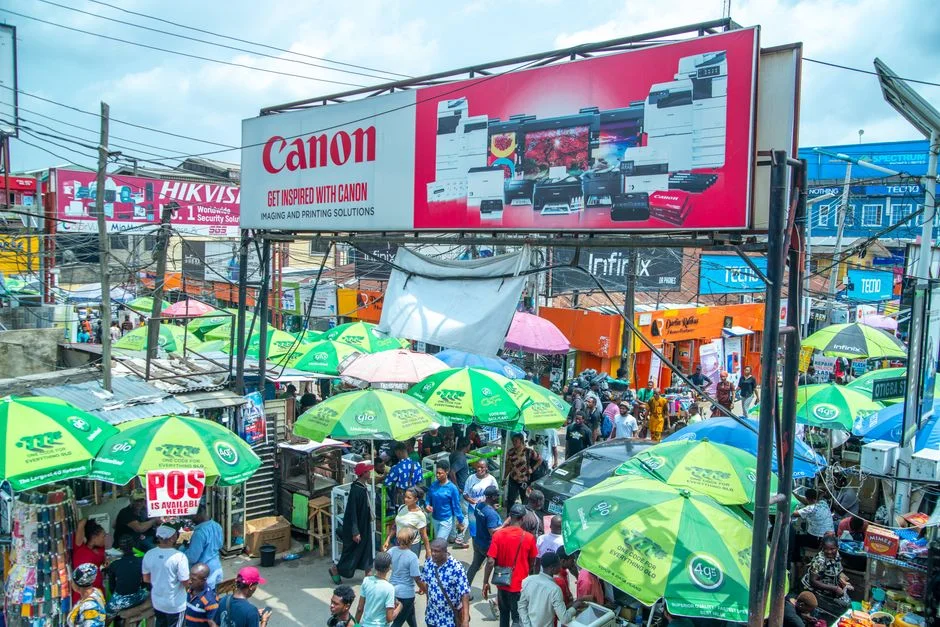
The employers' group outlined how specific government initiatives, while potentially valuable for macroeconomic goals, have translated into direct costs for businesses. Higher taxes and levies reduce retained earnings that firms would otherwise reinvest. Tighter credit conditions from the central bank mean businesses cannot easily borrow their way through temporary cash flow problems. Some enterprises have responded by cutting back on hiring or delaying expansion plans.
The SME Sector's Role in Economic Growth
Small and medium enterprises in Nigeria employ a substantial portion of the workforce. When these businesses contract or close, the effects ripple through communities that depend on wages earned in the informal and formal SME sectors. NECA's concern is not merely about business survival but about the broader economic consequences when the productive capacity of thousands of firms shrinks.
The employers' association has urged the federal government to consider the downstream effects of policy changes on job creation. Nigeria faces significant youth unemployment challenges, and a thriving SME sector typically absorbs much of this new labour market entrants. If policy burdens continue to mount, the pipeline of new jobs from small businesses could slow considerably.
Industry Response and Dialogue Efforts


NECA has indicated it will continue pressing for greater consultation with the private sector when new economic policies are being designed. The association argues that early engagement with business groups can identify potential pain points before policies are implemented. Some other countries have adopted formal mechanisms requiring regulatory impact assessments before new business costs are introduced.
Ezigbo noted that while employers understand the need for fiscal consolidation and monetary discipline, the pace and layering of multiple policy changes has been difficult to manage. Businesses require a degree of predictability to plan investments and maintain operations. The current environment, NECA suggests, offers neither the predictability nor the support that enterprises need to grow and create employment.
What Comes Next for Nigerian Businesses
The federal government has signaled its commitment to economic reforms aimed at stabilising inflation and strengthening the naira. These macroeconomic objectives enjoy broad support from international investors and creditor institutions. The tension NECA highlights is between those long-term goals and the short-term survival of businesses that must operate within the transitional period.
Analysts will watch for any signs of policy adjustment in the upcoming budget cycle or central bank review meetings. Businesses are expected to present their case through formal channels, including consultations with the finance ministry and the vice president's office, which oversees the economic team. The outcome of those discussions could determine whether the burden on SMEs eases in the months ahead or continues to build.
See Also
- South African Communist Party Demands Clarity as Left Conference Faces Criticism
- Zulu Dawn Review Reveals Arrogance Behind British Imperial Disaster - A Lesson for Africa's Future