Ghana should have had a penalty. England manager Thomas Tuchel said it plainly after the final whistle. The incident dominated post-match discussion, with the video assistant referee accused of failing to spot a clear foul in the box. One social media post went viral: "VAR went for a coffee." The quip captured widespread frustration with officiating standards that continue to plague top-level football.
England's Commercial Machine Stutters
England's football operation is not merely a sporting endeavour. It is a commercial enterprise worth hundreds of millions of pounds annually. Broadcasting rights alone generate massive revenue streams that flow back to the Football Association and, indirectly, to the wider football economy. Thomas Tuchel's squad carries significant brand value, and every high-profile incident—the controversy in this match included—affects how sponsors, broadcasters, and international partners perceive the product.
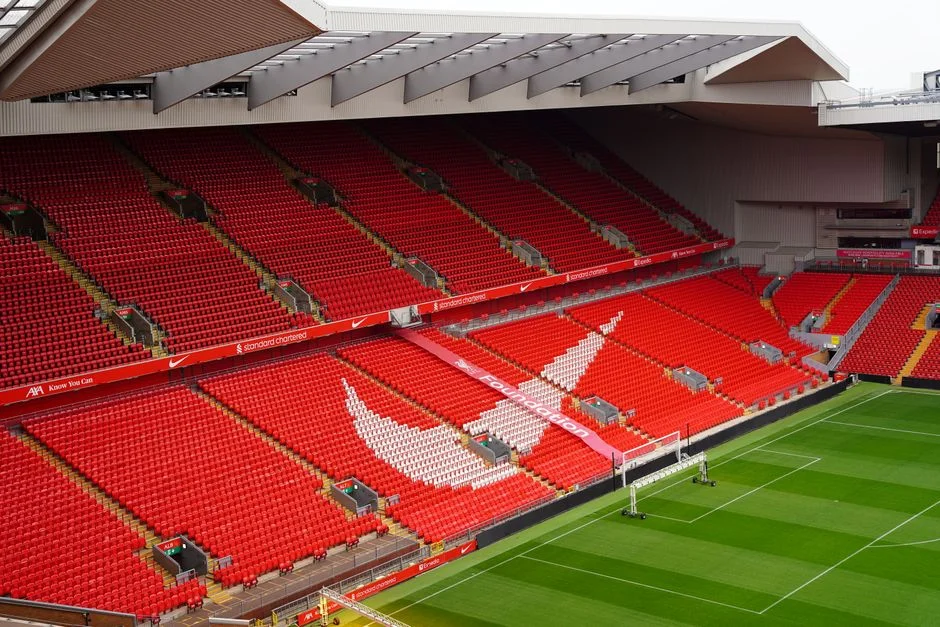
South African audiences have considerable exposure to English football. The Premier League streams live across the country through multiple platforms, reaching millions of households. This generates direct revenue for both British broadcast partners and local distributors. When matches are marred by officiating controversies, the ripple effects travel across oceans.
What South Africans Have at Stake
The economic connection between English football and South African businesses runs deeper than many realise. Licensed merchandise outlets depend on continued fan enthusiasm. Broadcasting deals involve local companies whose revenues rise and fall with the perceived quality of the product. The betting sector, which contributes meaningfully to South Africa's gambling economy, relies on matches that are perceived as fairly contested.
Local sports bars and entertainment venues also derive income from Premier League fixtures. England matches, in particular, draw large crowds. A series of high-profile officiating errors could gradually erode that customer flow if fans lose confidence in the integrity of outcomes.
The Betting Industry's Exposure
South Africa's legal betting market processes substantial sums on English football each season. While the outcome of any single match rarely threatens the industry as a whole, recurring officiating controversies can damage consumer confidence over time. Betting companies depend on the assumption that outcomes reflect genuine sporting competition. When VAR fails visibly, that assumption weakens.
The stakes extend to the companies that advertise during football broadcasts. Their marketing budgets are tied to audience numbers. If officiating scandals drive viewers away, the advertising value declines, affecting both broadcasters and the brands that depend on football's reach.
The Governance Gap


Football's global governing bodies face a credibility problem. The VAR system was introduced to eliminate clear and obvious errors. When it fails to detect obvious penalties, questions arise about training, technology standards, and accountability. These are not merely technical questions. They are commercial ones. Broadcast partners negotiate deals partly on the assumption that officiating will be competent. Sponsorship contracts include clauses related to the perceived integrity of the competition.
The Premier League remains the world's most-watched football league. Its dominance in the global market gives it leverage, but also responsibility. Every officiating failure chips away at the trust that sustains its commercial premium.
What Happens Next
The relevant refereeing bodies will review the incident. England officials are expected to formalise their complaints through official channels. Beyond the immediate response, the episode adds to ongoing debates about VAR protocol reform. Football's law-making body meets periodically to discuss rule changes, and officiating technology will be on the agenda.
For South African businesses with skin in the game, the question is whether this remains an isolated incident or signals a pattern. If further errors follow, the economic consequences will become harder to dismiss. Watch for any statements from the Premier League's commercial partners in the coming weeks.
See Also
- Air Peace Halts London Route — What It Costs Nigeria's Economy
- National Treasury Slams Eskom Over Joburg Disconnection Threat
When VAR fails visibly, that assumption weakens.The stakes extend to the companies that advertise during football broadcasts. If officiating scandals drive viewers away, the advertising value declines, affecting both broadcasters and the brands that depend on football's reach.The Governance GapFootball's global governing bodies face a credibility problem.