The uMkhonto we Sizwe (MK) Party has firmly rejected claims connecting former president Jacob Zuma to recent unrest, calling the allegations "baseless propaganda" spread by political opponents seeking to damage his reputation ahead of the June local elections.
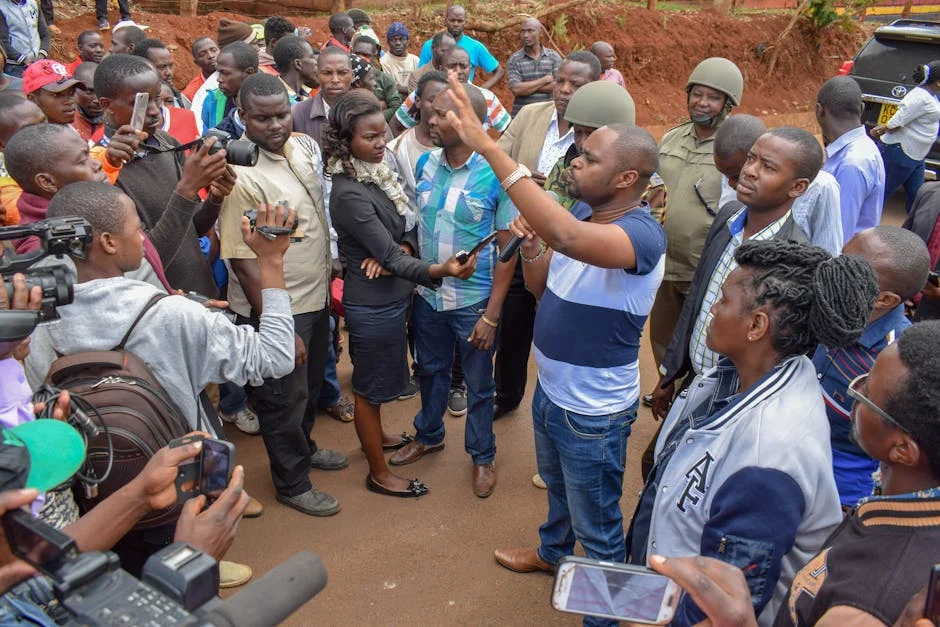
The party's defence came during a press conference held in Durban, where senior officials insisted that no credible evidence links Zuma to any violence or civil disruption that occurred earlier this year. Party spokespeople argued that the timing of these accusations, just weeks before a major electoral test, suggests a coordinated effort to undermine MK Party's campaign momentum.
Durban Press Conference Draws National Attention
The MK Party chose Durban as the venue for its most forceful rebuttal yet, with senior figures addressing journalists at a packed venue in the city's central business district. The location carries symbolic weight — Durban was among the areas most affected by the unrest that swept through KwaZulu-Natal last year, causing significant damage to infrastructure and businesses estimated in the billions of rands.
Party officials told reporters that the decision to hold a dedicated media session reflected the seriousness with which they view the continued circulation of these claims. Rather than issuing a brief written statement, the MK Party opted for direct public engagement, allowing questions and forcing media outlets to report their position in full rather than in selective fragments.
Election Timing Fuels Suspicion
Political analysts have noted the proximity of these accusations to the June elections, which will determine control of municipalities and provincial legislatures across South Africa. The MK Party, formed relatively recently, has been gaining traction in polling within KwaZulu-Natal — Zuma's traditional home province and political base.
The timing has raised questions about whether competing parties are attempting to disqualify MK Party's appeal by associating it with the memory of violent unrest that frightened investors and disrupted commerce. Local commentators pointed out that any perception of instability tends to push foreign investment decisions in other directions, making the political framing of these events economically consequential beyond the immediate electoral calculations.
Economic Stakes Are High
Business leaders and investor groups have expressed quiet concern about the politicisation of public safety narratives in the run-up to June. Companies considering new investments in KwaZulu-Natal — where port operations and manufacturing facilities anchor regional employment — tend to monitor political stability indicators closely before committing capital expenditure.
The MK Party's intervention appears designed, at least partly, to reassure potential voters that a party under its banner would prioritise economic development over the kind of disruption that devastates supply chains and scares away the commercial partnerships the province desperately needs. Whether that message resonates with investors will depend on how events unfold through the election period.
Denial Meets Continued Scrutiny
Despite the MK Party's forceful dismissal, opposition groups have maintained that questions about Zuma's associations with figures implicated in last year's unrest deserve public answers rather than categorical denials. The gap between the party's certainty and its critics' insistence on evidence leaves voters to make their own judgments based on incomplete information — a familiar situation in South African politics.
Independent observers have called for any credible evidence of wrongdoing to be submitted to proper investigative authorities rather than circulated through political communications. Until that happens, they argue, the public is left weighing competing claims with no clear mechanism for verification.
June Election Looms as Test
The June elections will serve as the first major electoral examination for the MK Party since its formation. How voters in KwaZulu-Natal respond to both the party's denial and the underlying accusations about unrest could shape its future influence in provincial politics and, by extension, the economic policy environment businesses will face in the region.
Parties across the political spectrum are treating these local elections as a bellwether for 2029 national elections, making every controversy potentially significant. For investors watching from the sidelines, the stability of KwaZulu-Natal's political transition matters as much as any single policy announcement. The MK Party has staked its credibility on separating itself from violence — and June will provide the verdict.
See Also
- Edtech Initiatives Stall in South Africa: Why the Sector Is Struggling
- Francisco Trincão Extends Contract with Sporting Until 2030: What This Means for Africa