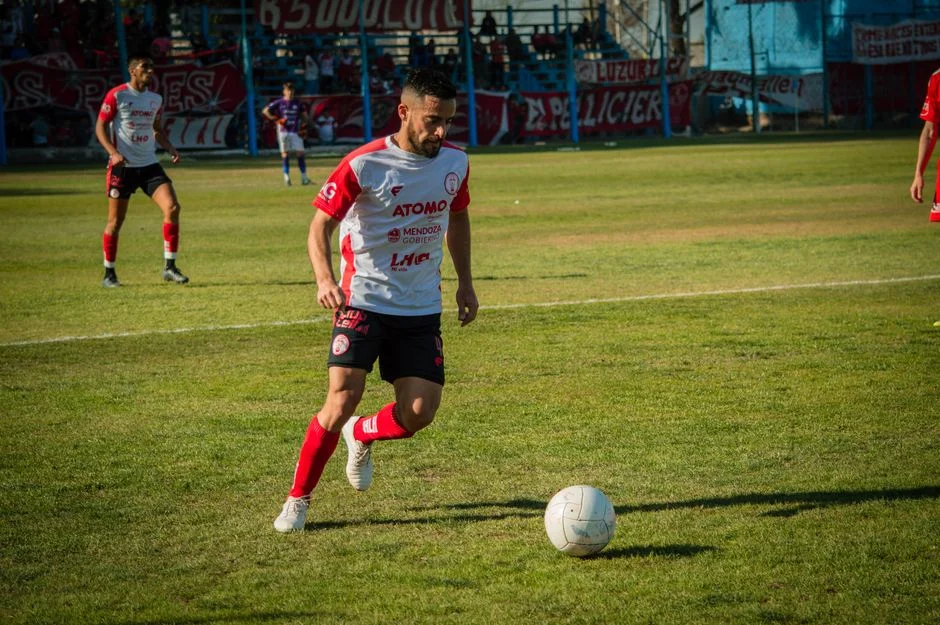
Four athletes across multiple disciplines received doping sanctions from the South African Institute for Drug-Free Sport on Thursday, a ruling that carries immediate financial consequences for national sports federations already navigating tight budgets. The penalties, which include multi-year bans and medal stripped, signal an intensification of testing protocols that economists say could reshape how sporting bodies allocate their resources.
Sanctions Target Multiple Sports
The South African Institute for Drug-Free Sport confirmed the four sanctions without naming the athletes pending appeal windows. The sanctions span at least two Olympic-queued sports, though SAIDS officials declined to specify which codes faced the violations. Federations involved have thirty days to notify the institute of any appeals, according to the World Anti-Doping Agency framework South Africa subscribes to.
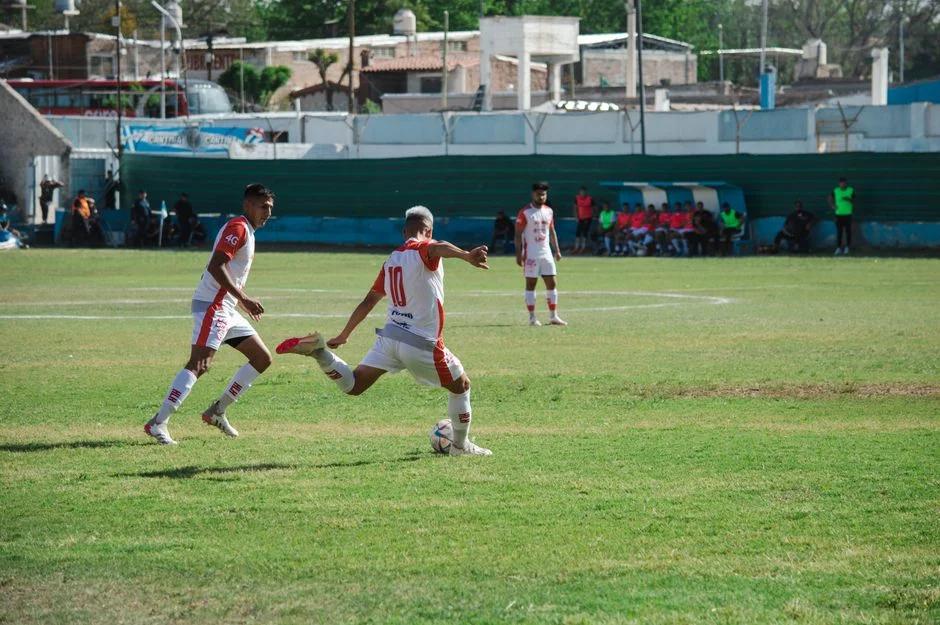
Sporting insiders in Johannesburg say the timing compounds existing pressure on national bodies. The Institute has conducted over three thousand tests annually in recent years, a figure that has drawn criticism from athletes who claim the testing regime lacks consistency across provinces.
Economic Toll on Federations
The direct financial hit arrives through stripped medals, which trigger repayment clauses in several sponsorship agreements. One athletics official, speaking on condition of anonymity, told reporters that federations had faced calls from commercial partners to review anti-doping compliance within ninety days. Sponsors increasingly link continued funding to clean records, a trend that places SAIDS at the centre of commercial negotiations.
Sponsorship Clauses Under Scrutiny
Corporate sponsors have embedded moral turpitude clauses in funding agreements with South African sports bodies for years. Legal experts in Cape Town say these clauses typically allow partners to renegotiate or exit contracts when athletes receive doping bans of twelve months or more. The four sanctions announced this week fall into that category, according to at least two sports law practitioners who reviewed the standard template agreements.
The National Sports Council, which distributes government grants to Olympic sports, links fifteen percent of annual funding to anti-doping compliance scores. A federation scoring poorly on testing documentation risks losing this buffer, money that typically covers operational costs and athlete welfare programmes.
Investment in Testing Infrastructure

SAIDS announced last year it would increase testing spend by eighteen percent over three years, funded partly through a partnership with the Department of Sport, Arts and Culture. The four sanctions represent early returns on that investment, according to the Institute, though critics argue the spending prioritises detection over prevention education.
The economics of doping testing involve complex cost-benefit calculations. Each sanction costs the Institute roughly thirty thousand rand in laboratory fees, administrative review, and athlete liaison. Offsetting that, South Africa avoids the far larger expense of reputational damage when doping scandals emerge years after competition.
What Happens Next
The appeal window closes on the fourth sanction in six weeks. Until then, SAIDS officials say they will not release athlete names or sport codes publicly. Federations have already begun internal reviews of their compliance procedures, with at least one major body convening an emergency board meeting next week.
Watch for the Ministry of Sport to issue a statement once all appeals are either filed or expire. The commercial impact on South Africa's sports sector depends heavily on whether any of the four athletes appeal, a process that could drag the controversy into the funding cycle for next year's international calendar.
See Also
- HSA Seizes Over 1 Million Illegal Health Products in 2025, Sparks Concerns
- Nigeria's Pharma Crisis Threatens Health Security — Urgent Reforms Needed Now