South Africa's Springboks clinched the Rugby World Cup on Saturday in Paris, sparking celebrations across the nation and delivering a potential economic windfall for businesses from Cape Town to Johannesburg. The victory marks South Africa's fourth World Cup title, cementing the team's status as one of the most successful rugby nations in history.
Economic Boost Arrives Immediately
Hospitality businesses reported immediate surges in demand following the final whistle. Hotels in the V&A Waterfront area of Cape Town saw occupancy rates climb sharply within hours of the victory, according to local tourism operators. Restaurants and bars throughout the country extended their operating hours to accommodate the influx of supporters gathering to watch the match.

Retailers also benefited from the post-win enthusiasm. Sports merchandise shops in Sandton reported selling out of Springbok jerseys and flags by Sunday morning. The spontaneous demand illustrated how sporting success can translate into concrete revenue for local businesses within a matter of days.
Tourism Sector Prepares for Influx
South Africa's tourism industry is positioned to capture long-term benefits from the heightened international attention. The Rugby World Cup victory generates global media coverage that would cost hundreds of millions of dollars in advertising to replicate, industry analysts noted. This exposure positions South Africa favourably against competing destinations in the Southern Hemisphere tourism market.
Travel booking platforms reported significant increases in searches for South African holidays immediately after the match. Airlines serving routes to Johannesburg reported higher-than-normal booking volumes for the coming months, according to data shared by industry associations.
Brand South Africa Receives Global Lift

The victory carries implications beyond the sporting arena. International perceptions of South Africa often shape investment decisions and trade relationships, and moments of national pride can shift those perceptions positively. The Springboks' triumph provides a counter-narrative to the often challenging headlines that dominate international coverage of the country.
Business leaders have long argued that national brand perception matters for attracting foreign direct investment. A nation associated with sporting excellence and unity presents a more attractive proposition to overseas investors evaluating potential markets.
Local Football Frustration Persists
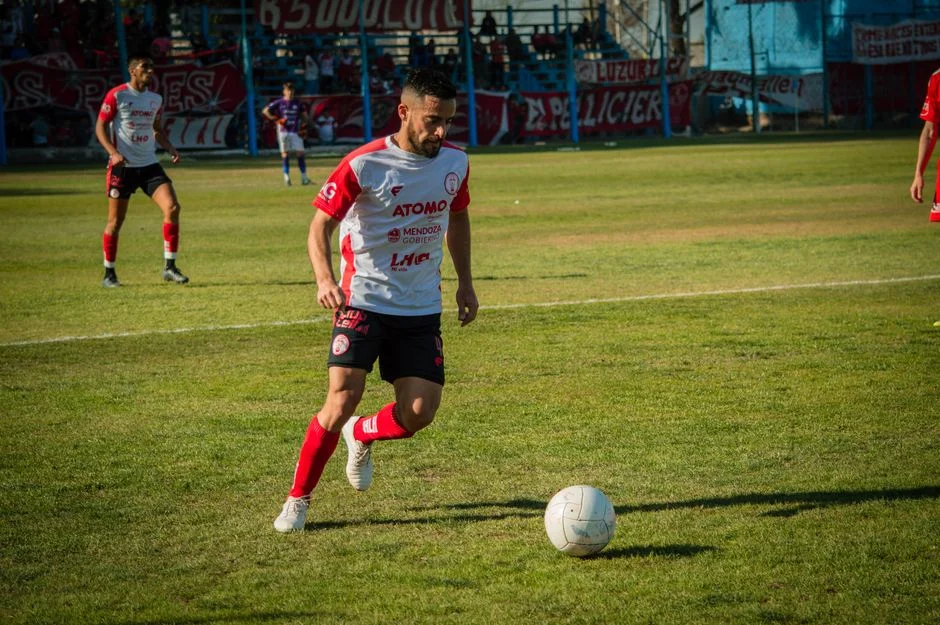
Yet the celebration comes with a stark reminder of inequality in South African sport. Bafana Bafana, the national football team, failed to qualify for the Africa Cup of Nations, leaving supporters without comparable moments of pride on the football pitch. The contrast between rugby success and football struggles has fueled ongoing debates about resource allocation and development priorities in South African sport.
Critics point out that while the Springboks receive substantial government funding and infrastructure support, football programmes often struggle to secure comparable resources. This disparity raises questions about how South Africa distributes its sporting investments across different codes.
Looking Ahead to the Next Challenge
The Springboks will begin their defence of the World Cup title in 2027, giving the nation four years to savour this achievement while preparing for the next campaign. In the meantime, economic analysts will monitor whether the initial tourism surge translates into sustained growth or fades as attention moves elsewhere.
What to watch: Hotel booking data for the first quarter of next year will provide an early indication of whether the Rugby World Cup victory generates lasting economic benefits or merely a temporary spike in activity. South African tourism authorities have already announced plans to capitalise on the momentum with international marketing campaigns set to launch next month.
See Also
- South Africa's Official Warns: Old Industries Can't Solve Today's Job Crisis
- Off-Duty Police Officer, Civilian Killed in Tsakane — Gauteng Murder Probe Begins
In the meantime, economic analysts will monitor whether the initial tourism surge translates into sustained growth or fades as attention moves elsewhere.What to watch: Hotel booking data for the first quarter of next year will provide an early indication of whether the Rugby World Cup victory generates lasting economic benefits or merely a temporary spike in activity. The contrast between rugby success and football struggles has fueled ongoing debates about resource allocation and development priorities in South African sport.Critics point out that while the Springboks receive substantial government funding and infrastructure support, football programmes often struggle to secure comparable resources.
What is the latest news about springboks world cup victory triggers tourism boom across south africa?
Why does this matter for education?
What are the key facts about springboks world cup victory triggers tourism boom across south africa?