Nigeria emerged victorious at the World Cup Fiesta Jollof Rice Contest, defeating rival West African nations in a competition that has far-reaching implications for the region's multi-billion-dollar rice economy. The announcement came during a vibrant celebration that drew chefs, food enthusiasts, and agricultural industry representatives from across the continent.
Jollof Rice Takes Center Stage
The World Cup Fiesta, held in Lagos, Nigeria, transformed into a battleground for culinary supremacy as teams from Nigeria, Ghana, Senegal, and Ivory Coast competed in a series of cooking challenges. Nigerian chefs presented their version of jollof rice to a panel of judges, ultimately securing the top prize. The contest, which has roots in the centuries-old debate over which nation makes the best jollof rice, gained additional significance as rice consumption in West Africa continues to climb.
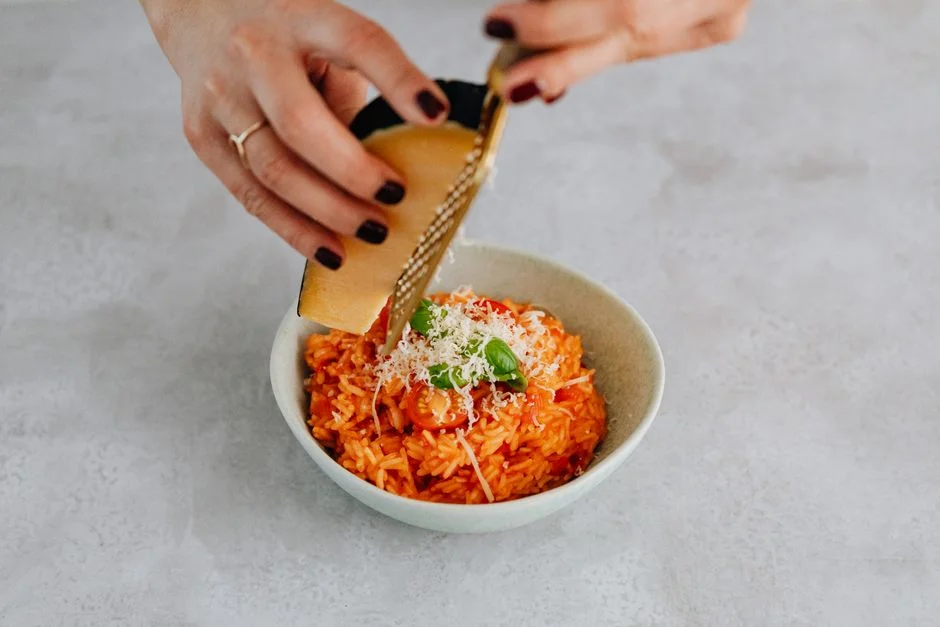
Jollof rice, a one-pot dish of rice, tomatoes, and spices, holds deep cultural significance across West Africa. The dish originated from the Joloff Empire in present-day Senegal but has since become a beloved staple that sparks fierce national pride. The rivalry between Nigeria and Ghana over jollof rice supremacy has become so intense that it has spawned social media movements and annual competitions.
Economic Stakes Behind the Dish
While the contest celebrates culture and cuisine, the economic implications run deep. West Africa imports approximately 15 million metric tonnes of rice annually, with Nigeria alone spending billions on rice imports to meet domestic demand. The region has become one of the world's largest rice markets, creating substantial opportunities for producers, traders, and investors.
The African Development Bank has reported that rice consumption in Sub-Saharan Africa could reach 35 million tonnes by 2035 if current trends continue. This growing demand has prompted governments across the region to invest in domestic production, processing facilities, and supply chain infrastructure. The jollof rice contest puts a spotlight on these market dynamics, highlighting both the competitive tension and the shared economic interests binding West African nations.
Investment Opportunities in Rice Production
Agricultural firms are taking notice of the region's rice market potential. Companies operating in Nigeria, Ghana, and Senegal have expanded rice milling capacity in recent years, responding to government incentives aimed at reducing import dependence. The contest's visibility reinforces consumer preference for locally produced rice varieties, potentially influencing investment decisions in agricultural technology and processing infrastructure.
Trade Relations and Market Competition


The contest also reflects the complex trade relationships between West African nations. While Nigeria and Ghana dominate the jollof rice narrative, countries like Senegal and Ivory Coast possess significant rice production capabilities. The annual competition creates a platform for showcasing national agricultural achievements while simultaneously highlighting the commercial rivalry in rice markets.
Nigeria's victory provides a marketing boost for Nigerian rice producers, potentially influencing consumer preferences and purchasing patterns across the region. Trade analysts suggest that culinary competitions can shape brand perception, with implications for market share in an increasingly competitive rice trade landscape.
Consumer Impact and Food Prices
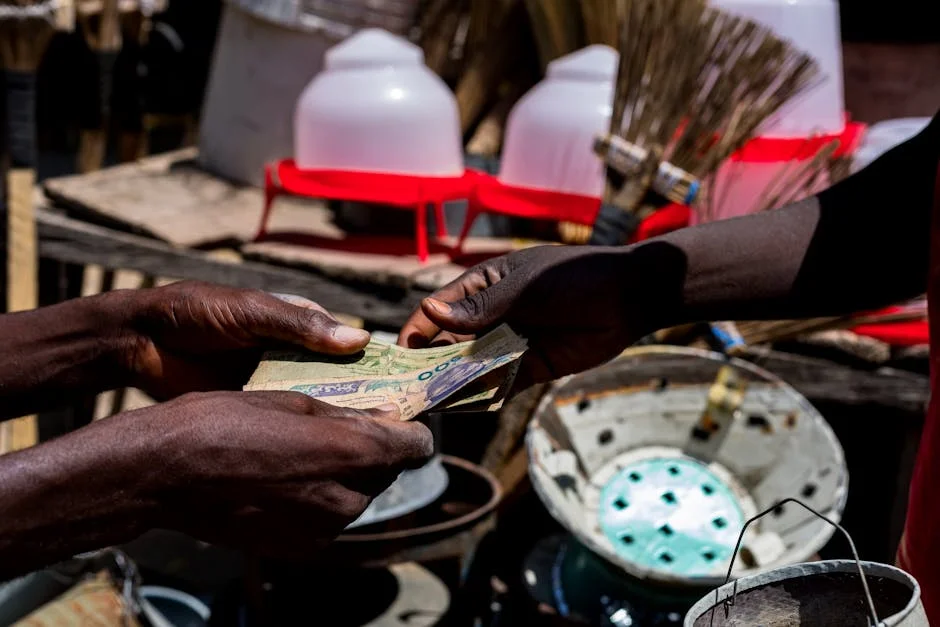
For everyday consumers across West Africa, the contest carries real-world consequences. Rice prices fluctuate based on production levels, import policies, and currency movements, all of which affect household budgets in a region where rice serves as a dietary cornerstone. The jollof rice contest draws attention to the quality and variety of rice available in local markets, potentially influencing consumer choices and price sensitivity.
Local markets from Accra to Dakar have seen increased foot traffic following the contest announcement, with vendors promoting their rice products alongside the competition results. This consumer engagement represents a tangible connection between cultural events and market behavior.
Regional Integration and Agricultural Policy
The Economic Community of West African States has identified rice self-sufficiency as a key regional development objective. The jollof rice contest aligns with broader efforts to promote regional agricultural integration, showcasing the potential for collaborative growth while acknowledging competitive dynamics. Policy makers view culinary competitions as soft power tools that can reinforce national identity and domestic agricultural branding.
Several West African governments have implemented policies to support rice farmers, including subsidies for seeds and fertilizers, investments in irrigation infrastructure, and tariff protections for local producers. The visibility generated by competitions like the World Cup Fiesta jollof rice contest supports these initiatives by promoting awareness of locally grown varieties.
Looking Ahead
The 2024 World Cup Fiesta has set the stage for intensified competition in West Africa's rice sector. Ghana has already announced plans to host a reciprocal cooking challenge, ensuring the rivalry continues beyond this year's event. Industry observers will be tracking how this cultural competition translates into commercial outcomes for rice producers and traders across the region.
Investors should watch for announcements from agricultural ministries in Nigeria, Ghana, and Senegal regarding new rice production initiatives. Currency movements in the naira, cedi, and franc will also influence import-export dynamics, shaping the competitive landscape for West African rice markets in the months ahead.
See Also
- Nigeria Launches Ajilalaoso Festival to Boost Ede's Cultural Tourism Economy
- Dele Momodu Slams Lawal's Allegations Against Atiku — Calls Ex-SGF Confused
Trade analysts suggest that culinary competitions can shape brand perception, with implications for market share in an increasingly competitive rice trade landscape.Consumer Impact and Food PricesFor everyday consumers across West Africa, the contest carries real-world consequences. While Nigeria and Ghana dominate the jollof rice narrative, countries like Senegal and Ivory Coast possess significant rice production capabilities.