Former Arsenal and France striker Thierry Henry has moved to clear up comments he made during the World Cup that fans in Nigeria interpreted as a joke about the country's national team jersey. The incident, which played out across social media platforms, has drawn attention to the delicate balance international sports personalities must strike when commenting on national symbols and merchandise in African markets. Henry posted an apology and clarification, but the episode has raised questions about how sports brands and sponsors navigate culturally sensitive moments on the global stage.
What Henry Said and How Nigeria Responded
During a World Cup broadcast appearance, Henry made a comment that many viewers in Nigeria took as suggesting the Nigerian jersey brought bad luck. Social media erupted almost immediately, with Nigerian football fans and commentators calling the remarks dismissive and disrespectful toward one of Africa's most storied national teams. The backlash was swift and vocal, with hashtags criticising Henry trending across multiple platforms within hours of the broadcast. Henry, who has an extensive record in English football and is now a pundit and coach, acknowledged that his words had been interpreted in a way he had not intended.
The Apology and Clarification
Henry issued a statement through his official social media accounts, describing his original comment as a lighthearted remark that had been taken out of context. He characterised the joke as referencing his own personal experience rather than making a broader commentary on the Nigerian team. "I have the utmost respect for Nigerian football and its passionate supporters," Henry wrote. He added that he had never intended to mock or belittle the Super Eagles or their followers. The apology was shared widely, with some fans accepting the explanation while others remained critical of the initial lapse in judgment.
Sports Marketing Stakes in African Markets

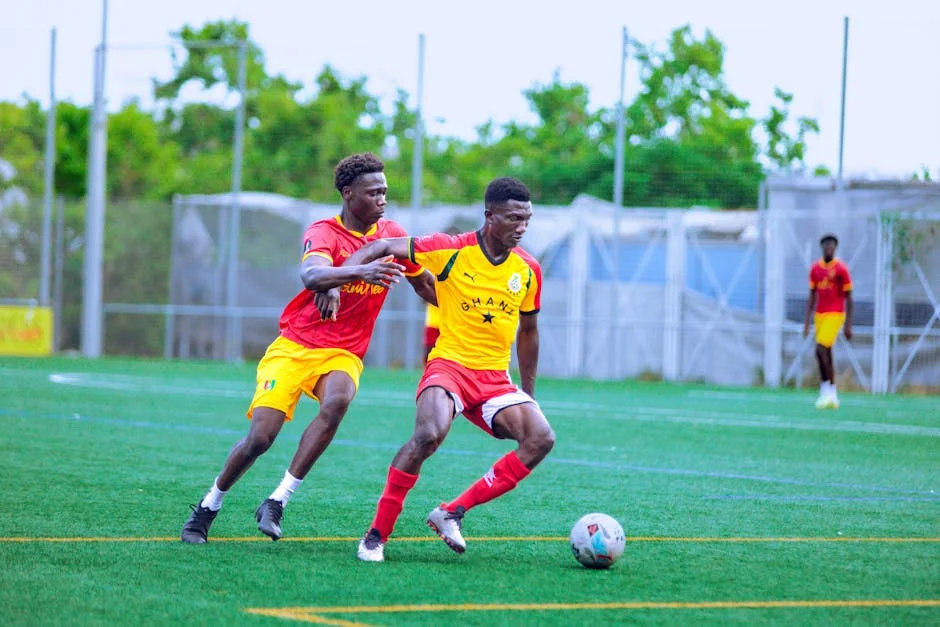
The episode carries weight beyond personal reputation for Henry. Several major sportswear brands have substantial investment in African football, and the region represents a growing market for international sports merchandise. Nigeria's national team has one of the most recognisable kits in global football, and fan loyalty runs deep across West Africa and the diaspora. Market analysts in South Africa have noted that moments like this can influence brand partnerships and sponsorship decisions, particularly for former players who remain active in media and commercial work.
Why Brands Pay Attention
Companies that sponsor national teams or sign retired players as ambassadors monitor public reception closely. When a prominent football figure makes comments perceived as negative toward a nation's symbols, it can create complications for brands with existing commitments in that market. The risk is not just reputational but financial, as fan sentiment can shift purchasing behaviour and engagement with sponsored content.
South African Fans React to the Controversy
In South Africa, where football rivalries run alongside broader conversations about African solidarity, the incident sparked debate about the level of care international figures show when discussing continental neighbours. Social media users in Johannesburg and Cape Town pointed out that such comments, even if intended as harmless, reflect a pattern of casual dismissiveness toward African teams. Others argued that the response had been disproportionate and that Henry had been clear in his clarification.
Broader Implications for Sports Media Figures
Henry's situation arrives at a time when former players turned media pundits face heightened scrutiny over every public statement. Broadcast networks increasingly brief their analysts on cultural sensitivity, but the global reach of social media means that offhand remarks can escalate before corrections reach the same audience. Experts in sports communications suggest that figures with continental appeal should approach national team discussions with extra caution, given the diverse audiences they now reach.
What Comes Next for Henry and African Football Relations
Henry remains active in coaching and media work, including appearances on broadcasts watched across Africa. Observers in the sports industry will be watching how his relationships with African football stakeholders develop following the controversy. There is no indication that any official complaints have been lodged with FIFA or the Nigerian Football Federation, but the episode has been cited in discussions about the responsibilities that come with global football fame. Sponsors typically allow such incidents to settle before making any adjustments to their association strategies.
For now, Henry's apology has dampened the immediate firestorm, but the longer-term impact on his standing with African audiences remains to be seen. The incident serves as a reminder that in an era of instant global commentary, even a joke requires careful consideration of context and audience. Market watchers in South Africa and beyond will monitor whether this episode influences future booking decisions for sports media panels that cover the continent.
See Also
- South Africa's Schoolboy Rugby Fixtures Ignite Local Economies This Weekend
- Seven African Players Set to Dominate the 2026 World Cup — And Investors Are Paying Attention
Experts in sports communications suggest that figures with continental appeal should approach national team discussions with extra caution, given the diverse audiences they now reach.What Comes Next for Henry and African Football RelationsHenry remains active in coaching and media work, including appearances on broadcasts watched across Africa. Market analysts in South Africa have noted that moments like this can influence brand partnerships and sponsorship decisions, particularly for former players who remain active in media and commercial work.Why Brands Pay AttentionCompanies that sponsor national teams or sign retired players as ambassadors monitor public reception closely.