Authorities in Durban intercepted a major drug shipment this week in a joint operation between the South African Revenue Service and the Directorate for Priority Crime Investigation, known as the Hawks. The bust, one of the largest in recent memory at the port city, has sent ripples through South Africa's trade and logistics sector. Investigators spent weeks building the case before moving in on the shipment.
How the Operation Unfolded
SARS customs officials first flagged irregularities in cargo documentation during a routine inspection at Durban's container terminal. That initial tip triggered a broader probe involving Hawks investigators, who brought additional intelligence resources to bear on the case. The operation ultimately led to the seizure of contraband hidden within shipping containers bound for international markets. Two individuals were taken into custody during the raid, with authorities confirming more arrests may follow as the investigation expands.
Why Durban's Port Makes It a Target
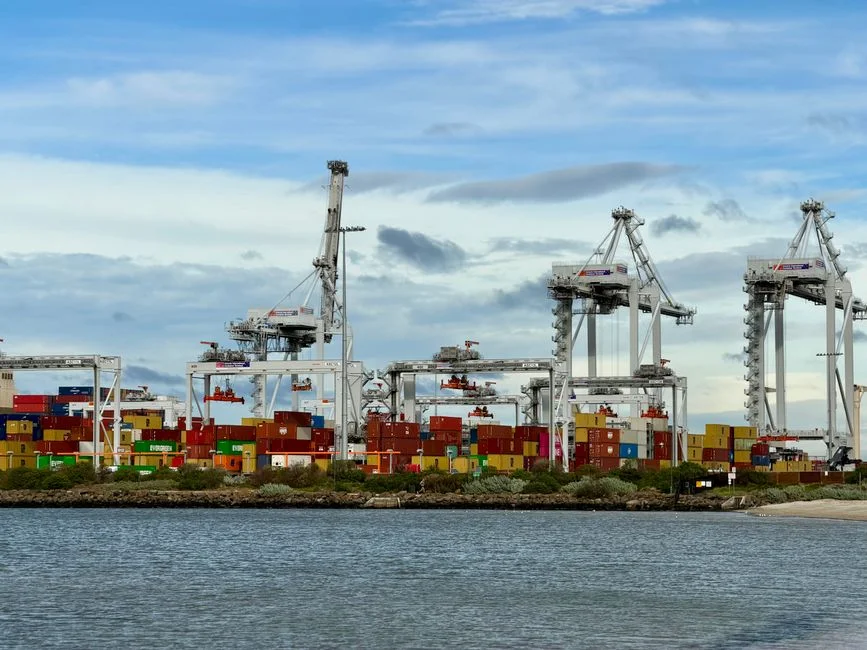
Durban handles the largest volume of cargo in sub-Saharan Africa, processing thousands of shipping containers each day. That sheer scale creates opportunities for criminal networks seeking to move illicit goods alongside legitimate trade. The port serves as a critical gateway for South African exports and imports, connecting the country's economy to global supply chains. Any security breach at the facility carries implications that extend well beyond South Africa's borders.
Trade Partners Demand Answers
International shipping companies and trade partners have taken notice. Major trading blocs and foreign customs authorities often review port security records when assessing risk ratings for trade agreements. South Africa's ability to demonstrate effective enforcement at major ports directly influences its standing in international commerce. The drug bust, while a sign of effective enforcement, also highlights the scale of the challenge facing authorities at high-volume facilities.
Economic Implications for South Africa

The timing of the bust coincides with efforts to boost foreign direct investment in South Africa's logistics and manufacturing sectors. Investors with exposure to Durban's port operations are likely to reassess security protocols and insurance costs in light of the seizure. The pharmaceutical and chemical industries, which rely heavily on secure supply chains for raw materials, face particular scrutiny following this incident.
What Hawks and SARS Bring to the Table
The Directorate for Priority Crime Investigation specialises in tackling sophisticated criminal networks that traditional police units cannot handle alone. SARS contributes customs expertise, intelligence on financial flows, and access to trade data that proves essential in tracing the commercial side of trafficking operations. Their collaboration reflects a broader trend toward inter-agency responses to complex crime affecting South Africa's economic infrastructure. The two bodies have partnered on several high-profile cases in recent years, sharing resources and expertise to target organised crime operating at ports.
Broader Security Context
South Africa has faced increasing pressure to strengthen border controls as international partners demand better verification of shipping containers. Drug trafficking through commercial ports has grown more sophisticated, with criminal groups exploiting gaps in screening processes. The government has committed additional funding to Customs enforcement at major ports, acknowledging the economic and security risks posed by unchecked smuggling.
What Happens Next
Investigators are now working through the seized evidence to trace the full extent of the network behind the shipment. Court proceedings are expected to begin within the coming weeks. Authorities have indicated they will seek to use the case to strengthen prosecution of similar offences under South African law. Businesses operating through Durban's port should anticipate heightened inspections and longer processing times as security measures are tightened. Watch for announcements from SARS regarding any changes to cargo screening protocols at South African ports in the months ahead.
See Also
- Israel Urges Global Community to Cut Ties with Tehran — here's what it means for Africa
- Orlando Pirates Face Uncertainty Ahead of Soweto Derby
Their collaboration reflects a broader trend toward inter-agency responses to complex crime affecting South Africa's economic infrastructure. The drug bust, while a sign of effective enforcement, also highlights the scale of the challenge facing authorities at high-volume facilities.Economic Implications for South AfricaThe timing of the bust coincides with efforts to boost foreign direct investment in South Africa's logistics and manufacturing sectors.