Traxtion has secured R1.5 billion in new capital, a move set to reshape freight logistics across Southern Africa. The investment will fund the acquisition of additional rolling stock and the modernisation of existing rail infrastructure linking key industrial corridors. Company officials confirmed the funding round closed this week, with plans to begin deployment in the first quarter of next year.
Who Backed the Deal
The capital comes from a consortium of international infrastructure funds and a South African state investment vehicle. Traxtion did not disclose the exact split between foreign and domestic investors, but market sources familiar with the transaction described the deal as one of the largest private rail investments in the region this year. The South African development finance institution participated alongside at least two overseas pension funds seeking exposure to African transport assets.
This consortium approach reflects growing appetite among institutional investors for African logistics plays. Transport infrastructure has historically struggled to attract private capital, but improved regulatory frameworks in several Southern African Development Community (SADC) nations have changed that calculus. The investment vehicle involved has previously backed toll road and port projects in Mozambique and Tanzania.
What the Money Will Buy
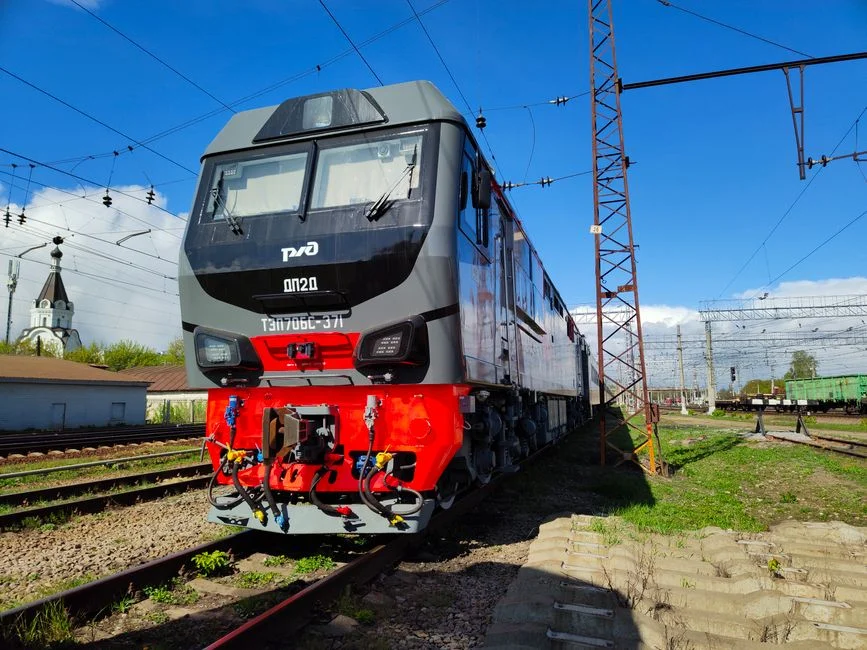
Traxtion plans to add over 50 locomotives and 2,000 freight wagons to its current fleet. The company currently operates roughly 200 locomotives across its network, making this expansion a significant increase in capacity. New routes will connect mining operations in the Zambian Copperbelt to ports in Durban and Beira, shortening transit times for bulk commodity exporters.
Beyond rolling stock, a portion of the funding will go toward digital tracking systems and maintenance facilities. Traxtion aims to reduce downtime through predictive maintenance technology, a move that could lower operating costs by an estimated 15 percent over three years. The company operates depots in Johannesburg, Maputo, and Lusaka.
Why Rail Makes Sense Now

Southern Africa's road freight sector is buckling under capacity constraints. The Maputo Corridor, a key route linking South African industrial heartlands to Mozambican ports, regularly sees delays during harvest season when agricultural haulage competes with mining traffic. Rail offers a lower cost-per-tonne alternative for heavy cargo, particularly for commodities like coal, copper, and manganese where margins are thin.
Fuel price volatility has also made rail more attractive. Diesel costs surged across the region in 2023, squeezing road hauliers who lack the fuel efficiency of electrified rail lines. Traxtion's network includes sections of electrified track, giving it a cost advantage over competitors relying solely on diesel locomotion. Industry data shows rail freight typically consumes 30 percent less fuel than road transport for equivalent cargo volumes over distances exceeding 500 kilometres.
Economic Stakes for the Region
Improved rail connectivity could unlock billions in trade potential currently choked by logistics bottlenecks. The African Development Bank has repeatedly identified transport costs as a major barrier to regional integration, with Southern African goods often costing twice as much to ship as comparable routes in Southeast Asia. Faster, cheaper rail links would benefit mining companies, agricultural exporters, and manufacturers alike.
The investment arrives at a precarious moment for regional economies. South Africa's gross domestic product growth has disappointed analysts this year, while Zambia and the Democratic Republic of Congo face fiscal pressures from currency weakness. Efficient transport infrastructure could serve as a countercyclical driver, lowering input costs for exporters and improving competitiveness in global markets. The International Monetary Fund has flagged logistics efficiency as a key variable in its growth projections for the region.
Market Reaction and Investor Outlook
Shares in Traxtion are not publicly listed, limiting direct market readouts. However, the company's closest listed peer, Grindrod, saw its stock rise 3.2 percent in morning trading on Thursday, with analysts attributing the move partly to optimism around the Traxtion deal. Grindrod operates competing rail and port services across the region.
Infrastructure funds globally have increased allocations to emerging market transport assets over the past two years. The combination of stable, contract-based revenues and inflation-linked pricing has proven appealing during periods of monetary tightening. Traxtion's business model relies heavily on long-term take-or-pay contracts with mining houses, providing revenue visibility that attracts conservative institutional investors. The company counts several FTSE-listed mining groups among its customers.
Regulatory Hurdles Remain
Despite the bullish investment case, Traxtion faces obstacles. Cross-border rail operations require coordination between multiple national regulators, and track gauge differences still complicate through-traffic between South Africa and its northern neighbours. Tanzania's decision to standardise its rail gauge to match the rest of the SADC network has taken longer than originally projected, creating bottlenecks at the Tanzania-Zambia border.
Labour regulations in several jurisdictions also pose challenges. South Africa's rail sector operates under collective bargaining agreements that limit flexibility in staffing. Any expansion requiring significant hiring could face union resistance. Traxtion has sought to address this by partnering with technical colleges in KwaZulu-Natal to train locomotive drivers, a strategy designed to pre-empt skills shortages without triggering labour disputes.
What Happens Next
Traxtion expects the first new locomotives to arrive from manufacturers in the second half of next year. The company has tendered contracts with Wabtec and CRRC, two major rail equipment suppliers, though final supplier selection remains subject to negotiation. Construction on the new Lusaka depot will begin in early 2025, with completion targeted for mid-2026.
Investors should watch for formal announcements on route certifications from the Zambia Railway Agency and Mozambique's Caminhos de Ferro de Moçambique. Regulatory approvals for expanded cross-border services typically take six to twelve months, and delays in this process could push back revenue recognition timelines. Traxtion's next investor update is scheduled for March, when the company is expected to provide detailed guidance on utilisation rates and customer contract renewals.
See Also
- Nigeria Teachers Halt Classes Over Schoolchildren Kidnappings
- FSCA Slams SA Army Foundation With R44.7m Fine