Senate President Godswill Akpabio told lawmakers on Tuesday that intelligence assessments show kidnap gangs and terrorist networks have expanded their focus beyond political parties to target Nigeria's economic infrastructure directly. The admission came during an emergency session in Abuja where senators received classified briefings on evolving security threats.
Security Brief Reveals New Terror Strategy
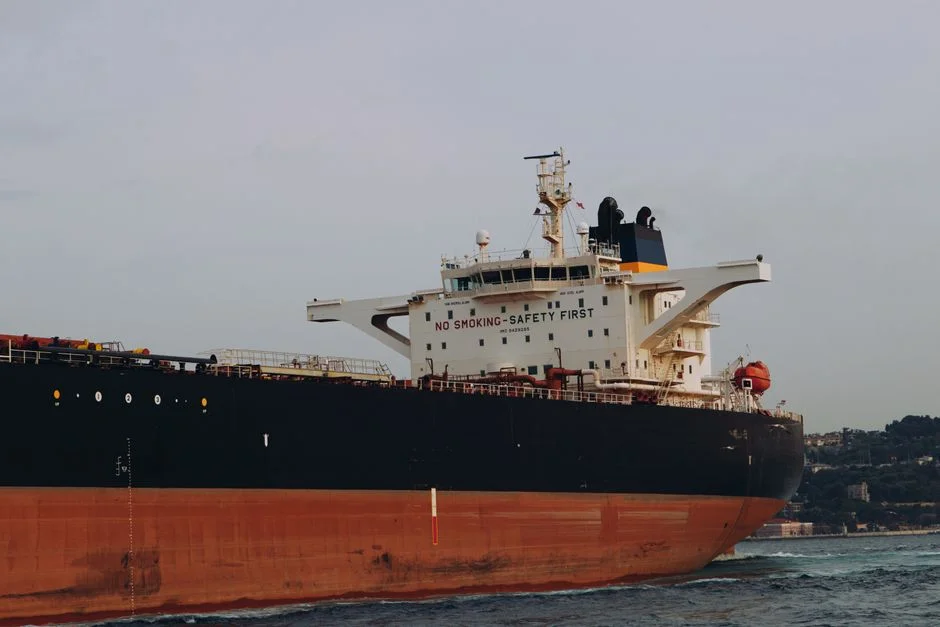
Akpabio briefed the chamber that criminal groups previously focused on political targets have pivoted toward oil pipelines, power stations, and major transport corridors. The shift, according to the Senate President, reflects a deliberate attempt to destabilise economic activity rather than pursue purely ideological goals. Oyo State Governor Seyi Makinde, who attended the session, backed the assessment, pointing to recent attacks on substations in the southwestern region as evidence of coordinated economic sabotage.
Three substations in Oyo and Osun states suffered attacks last month, disrupting power supply to industrial zones. Local authorities confirmed repairs would take at least six weeks, dealing a setback to manufacturers already struggling with high energy costs.
Why Markets Should Take Note Now
The economic stakes are significant. Nigeria's Gross Domestic Product contracted by 0.9 percent in the previous quarter, and analysts had hoped fragile growth would resume. Security disruptions to energy infrastructure directly threaten that recovery. Foreign investors holding positions in Nigerian equities will be watching for whether the government can protect critical assets, or whether this signals a broader deterioration in the operating environment.
What This Means for Business Operations
Companies with supply chains running through affected regions face fresh uncertainty. Manufacturing plants in Oyo State's industrial belt have already begun discussing contingency plans with logistics providers, according to executives familiar with those conversations. Insurance premiums for assets in the targeted corridors are expected to rise. Businesses should budget for higher risk costs in their next fiscal planning cycle.
Senate Directs Emergency Response

Akpabio directed the Senate Committee on Defence to coordinate with military commanders and produce a report within three weeks. The committee must outline immediate protective measures for economic installations and propose longer-term strategies to harden targets against sabotage. Senators also called for accelerated deployment of personnel to guard critical infrastructure points, particularly in the Niger Delta where oil theft already costs the country an estimated $3 billion annually.
Currency and Investment Sentiment Under Pressure
The naira traded at 1,450 per dollar on the parallel market Wednesday, reflecting ongoing pressure from multiple economic headwinds. Any perception that security risks are spreading could accelerate capital outflows. The Nigerian Stock Exchange has seen modest inflows this year as inflation showed early signs of cooling, but that fragile optimism is now vulnerable to a confidence shock.
Portfolio managers surveyed by local financial outlets said they are not yet altering allocations, but several indicated they would reassess if the Senate's promised security response fails to materialise within the stated timeline.
What Happens Next
The Senate Defence Committee is expected to deliver its findings by late February. That report will determine whether lawmakers approve additional funding for infrastructure protection or pursue emergency powers legislation. For markets, the critical window is the next 21 days. If concrete action is visible, investor sentiment may stabilise. If the situation deteriorates further before the report lands, expect currency weakness and renewed pressure on the exchange rate.
See Also
- Nigerian Pastor Buys Cape Town Site Amid South Africa's Safety Concerns — What It Means for Growth
- MK Party Chief Whip Granted R30,000 Bail — Implications for South Africa’s Market
Senators also called for accelerated deployment of personnel to guard critical infrastructure points, particularly in the Niger Delta where oil theft already costs the country an estimated $3 billion annually.Currency and Investment Sentiment Under PressureThe naira traded at 1,450 per dollar on the parallel market Wednesday, reflecting ongoing pressure from multiple economic headwinds. Businesses should budget for higher risk costs in their next fiscal planning cycle.Senate Directs Emergency ResponseAkpabio directed the Senate Committee on Defence to coordinate with military commanders and produce a report within three weeks.
What is the latest news about akpabio warns nigerias terror threat has gone national investors are watching?
Why does this matter for politics-governance?
What are the key facts about akpabio warns nigerias terror threat has gone national investors are watching?