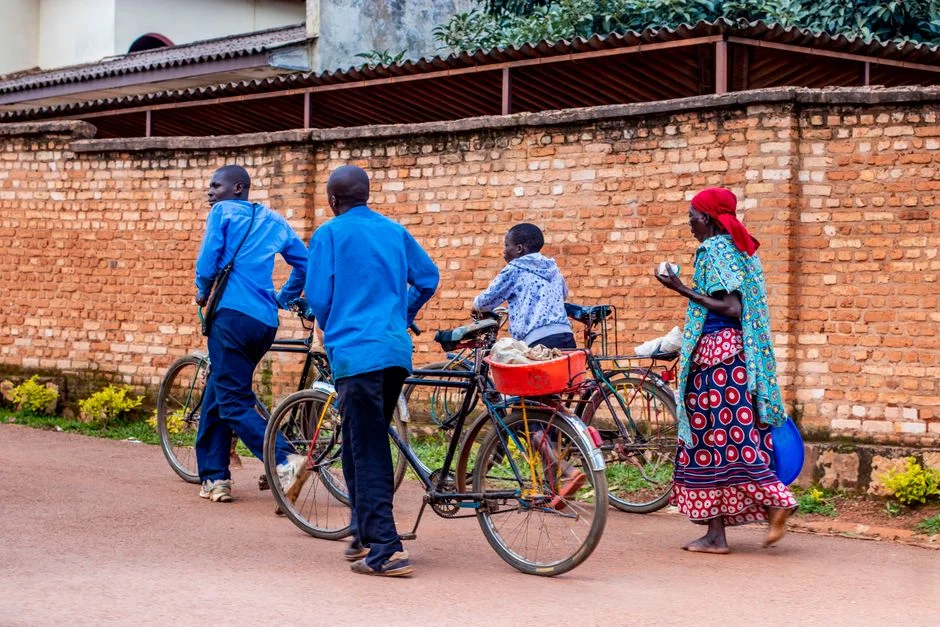
Thousands of Malawian nationals are attempting to leave South Africa, creating a fresh challenge for businesses already struggling with labour shortages in key sectors. More than 2,000 Malawians have registered with authorities in Gauteng and Western Cape seeking assistance to return home, according to data cited by local media. The exodus comes as South Africa's economy faces mounting pressures from load-shedding, skills emigration, and slower growth.
Labour Gaps Hit Key Industries
Sectors dependent on migrant workers are bracing for disruption. Agriculture, construction, and hospitality — industries that rely heavily on seasonal and semi-skilled labour from neighbouring countries — could face immediate staffing gaps. Business owners in Gauteng, South Africa's economic hub, warned that replacing experienced workers takes months and carries significant training costs. The situation compounds an existing challenge: South Africa has seen rising emigration of its own skilled workers to the United Kingdom, Australia, and Canada, draining talent from the healthcare and technology sectors.
Remittance Flows Set to Dwindle
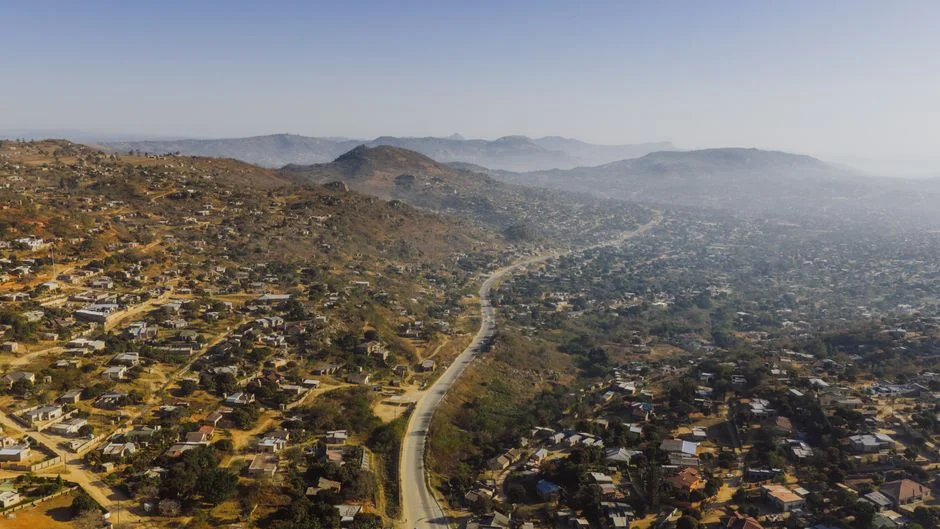
Malawi receives substantial remittance payments from citizens working in South Africa. A reduction in the Malawian workforce abroad would likely reduce these inflows, affecting household incomes in rural areas of Malawi. For South Africa's financial sector, the shift signals potential changes in cross-border transaction volumes. Money transfer operators and banks that facilitate remittance corridors between the two countries may see declining transaction values if the migration trend accelerates.
Investor Sentiment Takes Another Hit


Foreign investors monitoring South Africa's business environment have cited labour stability as a key factor in location decisions. The mass departure of a visible worker population adds to concerns about social cohesion and economic confidence. Load-shedding has already forced many manufacturers to consider alternative locations in East Africa. Now, companies weighing expansion in South Africa must factor in potential labour supply constraints in sectors where domestic workers have been reluctant to fill positions.
Government Response Under Scrutiny
The South African government has not issued a formal statement on the Malawian departure trend. Immigration policy remains a politically sensitive topic ahead of next year's national elections. Opposition parties have called for clearer pathways for documented workers while cracking down on irregular migration. Business groups, meanwhile, have urged the government to fast-track work permits for sectors facing acute shortages.
Cross-Border Relations at a Crossroads
Malawi and South Africa have long-standing labour agreements that allow Malawians to work in South Africa's agricultural and mining sectors. These arrangements have benefited both economies — Malawi earns foreign exchange while South Africa fills roles that domestic workers often avoid. If the current wave of departures continues, both governments may need to renegotiate terms of engagement. South Africa's Home Affairs department is expected to present updated immigration figures in the coming weeks.
What Happens Next
Analysts will watch employment data from Statistics South Africa closely. If industries in Gauteng and Western Cape report staffing shortfalls in their next quarterly reports, pressure on the government to address labour market imbalances will intensify. The outcome of ongoing wage negotiations in the mining sector could also influence whether more foreign workers choose to leave. For investors, the next indicator to watch is whether South Africa's unemployment rate, currently above 30 percent, begins to decline as domestic workers fill gaps left by departing migrants — or whether businesses face a prolonged hiring crisis.
See Also
- Abiy Ahmed Excludes Tigray from 2026 Elections, Raising Economic Fears
- Oil Tycoons Deny Bribery Allegations — Nigerian Markets on Edge
Now, companies weighing expansion in South Africa must factor in potential labour supply constraints in sectors where domestic workers have been reluctant to fill positions.Government Response Under ScrutinyThe South African government has not issued a formal statement on the Malawian departure trend. South Africa's Home Affairs department is expected to present updated immigration figures in the coming weeks.What Happens NextAnalysts will watch employment data from Statistics South Africa closely.