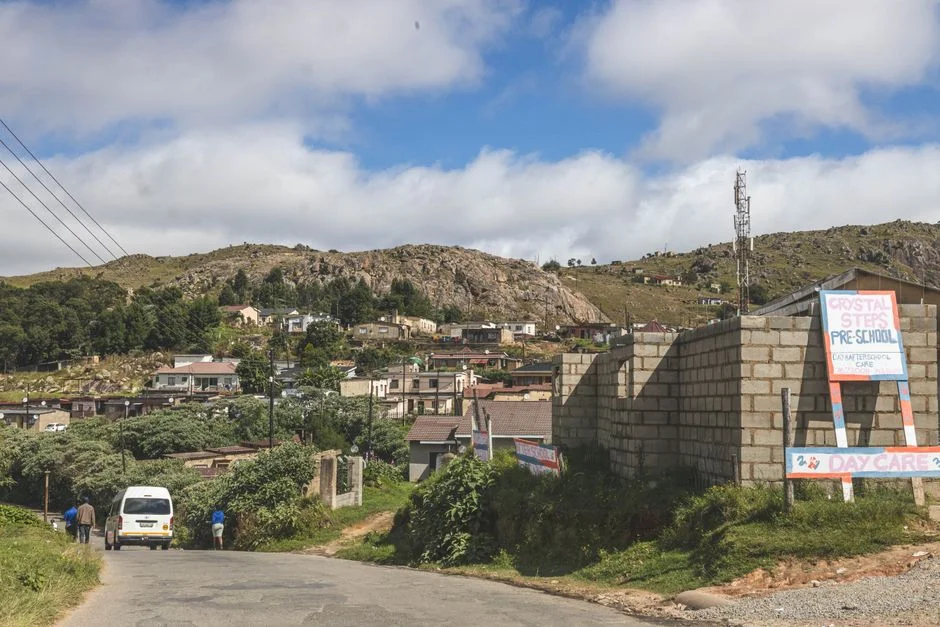
The North West provincial government has responded forcefully to criticism surrounding the R4.2 billion Matlosana Catalytic Project, which has been accused of mismanagement and failure to deliver promised housing. Officials assert that external factors, including national economic conditions, have hampered the project's progress, and they are determined to shift the narrative as pressure mounts.
Understanding the Matlosana Catalytic Project
The Matlosana Catalytic Project, launched with the aim of addressing the chronic housing shortage in the North West province, has faced severe criticism since its inception. Originally intended to deliver thousands of affordable housing units, the project has only managed to complete a fraction of that goal. The government allocated R4.2 billion to the project, highlighting its significance as a pivotal economic stimulus for the area.

Key figures in the North West government, including Premier Bushy Maape, have publicly defended the project's management. Maape insists that the government has faced immense challenges, including budget constraints and slow economic recovery post-COVID-19. He stated, "While we acknowledge the shortcomings, we are committed to delivering on our promises, despite the hurdles we face."
Economic Implications of Project Delays
The delays in the Matlosana Catalytic Project are not just a local issue; they have wider implications for the economy of North West Province and beyond. With housing being a critical driver of economic activity, the stalling of construction has affected various sectors, including construction, manufacturing, and local businesses dependent on housing development.
According to recent data, the housing sector contributes approximately 10% to the provincial GDP, making the successful delivery of housing units crucial for overall economic stability. As the project lingers in uncertainty, investor confidence may wane, impacting future investments in the region.
Market Reactions and Investor Sentiment

Investors have reacted swiftly to the news of the ongoing issues surrounding the Matlosana Catalytic Project. Shares of local construction companies, such as Raubex Group and Wilson Bayly Holmes-Ovcon, have seen fluctuations as stakeholders evaluate the potential fallout from the government's handling of the project. A recent analysis indicates that both companies' stocks dropped by up to 5% in the days following the announcements of delays.
The uncertainty surrounding public infrastructure projects often leads to hesitancy among investors, with many preferring to focus on regions with more reliable government management. "Investors typically seek stability and a clear path to profitability. Current conditions in the North West may deter new projects until the situation improves," noted an investment analyst.
Political Ramifications
The political landscape in North West is increasingly fraught as the provincial government grapples with criticism. The African National Congress (ANC) faces pressure from opposition parties, who argue that the mismanagement of the Matlosana project reflects broader governance failures. In response, the ANC has stressed its commitment to accountability and transparency, promising regular updates on project progress.
This political tension could have consequences for the incumbent government, particularly as South Africa approaches the 2024 elections. Analysts warn that public discontent over housing shortages could translate into votes for opposition parties if not adequately addressed.
Looking Ahead: What’s Next for the Matlosana Project?
As the North West government strives to navigate the fallout from the housing disaster, key decisions loom on the horizon. The provincial executive plans to hold a briefing next month to outline a revised timeline for the Matlosana Catalytic Project and address community concerns.
Community leaders and housing activists are expected to participate in these discussions, highlighting the need for clearer communication and realistic expectations. The outcome of these meetings could either mend relations with frustrated residents or escalate tensions further, making it imperative for the provincial leadership to act swiftly and decisively.
See Also
- Jaishankar Warns of Indian Ocean Reality After Iranian Ship Sinking: What It Means for Africa
- Health Link to Climate Change Triggers Economic Shift in SA
A recent analysis indicates that both companies' stocks dropped by up to 5% in the days following the announcements of delays.The uncertainty surrounding public infrastructure projects often leads to hesitancy among investors, with many preferring to focus on regions with more reliable government management. Current conditions in the North West may deter new projects until the situation improves," noted an investment analyst.Political RamificationsThe political landscape in North West is increasingly fraught as the provincial government grapples with criticism.