Ballot counting started Monday across Ethiopia as Prime Minister Abiy Ahmed's Prosperity Party works to secure a commanding mandate that could reshape the Horn of Africa's economic landscape. Election officials confirmed counting centres opened in Addis Ababa, Oromia, and the southern regions, with preliminary results expected within 10 days.
Ruling Party Targets Unprecedented Majority
Prosperity Party representatives have indicated they expect to repeat or exceed their 2019 regional victories, when the party won 100% of contested seats following the merger of three coalition groups. International monitors from the African Union arrived in Addis Ababa on Sunday to observe proceedings across six regions. The ruling party holds all 147 seats in the current parliament, and officials are campaigning on a platform centred on economic reforms launched in 2018.
Opposition Challenges and Rural Turnout
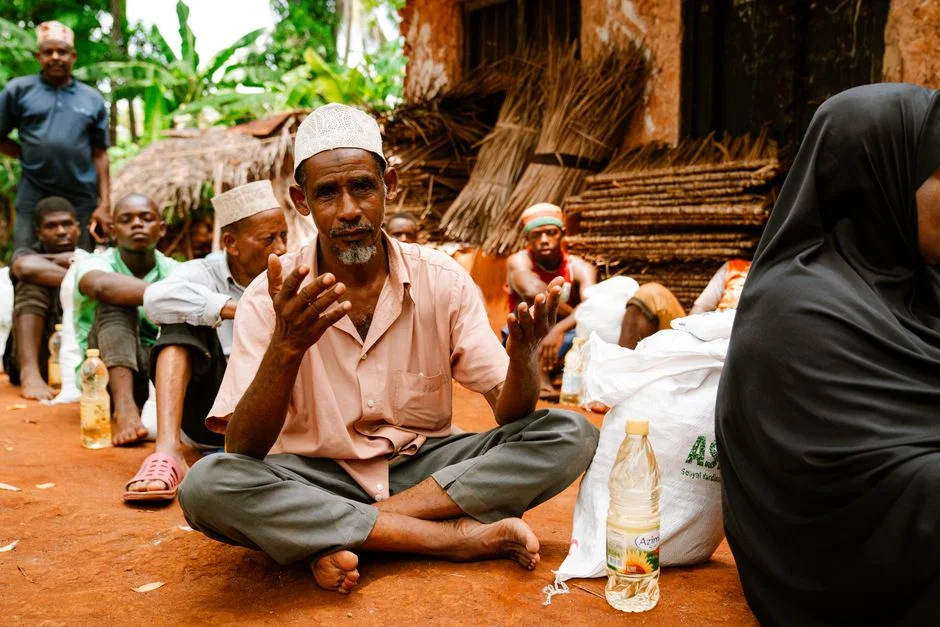
At least 47 opposition parties registered candidates for the 547-seat House of People's Representatives, the most competitive parliament race in Ethiopia's recent history. The Ethiopian Citizenship Party and the National Movement of Ethiopia both fielded candidates in the capital. Rural areas, where roughly 80% of Ethiopia's 110 million population lives, reported heavy turnout according to local election commissions in Amhara and SNNPR regions. Election officials logged complaints of short-staffed polling stations in the Somali region, though regional authorities denied these reports.
What the Vote Means for Investors


Markets are watching closely. Ethiopia attracted $7.4 billion in foreign direct investment in 2023, driven largely by telecommunications and manufacturing sectors. A decisive Prosperity Party victory could accelerate stalled talks with international creditors over debt restructuring, sources familiar with the negotiations said. However, a contested result risks delaying the IMF programme that brought $3.2 billion in emergency funding last year.
Infrastructure and Trade Implications
Ethiopia's status as the continent's largest recipient of Chinese infrastructure financing adds another layer. The $4 billion Ethiopian portion of the Addis Ababa–Djibouti railway remains partially in default negotiations. How the election outcome affects Beijing's bilateral lending terms will matter for East African logistics chains that extend into South Africa. Cement makers and steel importers in Durban have exposure to Ethiopian construction demand that hinges on government spending stability.
Foreign Policy and Regional Tensions
Abiy Ahmed, who won the Nobel Peace Prize in 2019 for ending hostilities with Eritrea, has pushed to normalise relations with Somalia and Kenya. His government finalised a port access agreement with Somaliland in January, angering the federal Somali administration. A strong electoral mandate could give Abiy more room to negotiate these disputed arrangements, or conversely, could encourage rivals to contest results in courts already crowded with election petitions.
Security Concerns Cloud Counting Process
Ethiopia's national election board acknowledged that polling did not take place in roughly 20% of constituencies due to security constraints in areas affected by conflict in the Amhara and Oromia regions. Displaced voters in Gondar and Wollo have until Wednesday to register complaints about missing polling stations. The delayed constituencies include parts of the Western Tigray zone, where fighting resumed in August.
Economic Reform Agenda Hangs in Balance
The next government will face pressure to continue liberalisation steps that opened banking and telecommunications to foreign investors. Saudi-based Oando and UAE's Etisalat both hold significant Ethiopian operations. The central bank devalued the birr by 30% in 2023 to address foreign exchange shortages affecting import-dependent manufacturers. Any political uncertainty could reverse recent currency gains, making South African exports to Ethiopia more expensive.
Final results must be certified by the national election board within 30 days of voting. If no party wins a majority, a coalition government forms, which would delay cabinet appointments and potentially stall key regulatory approvals for mining and telecom licences already pending before the courts.
See Also
- US Launches Precision Strikes on Iran: What It Means for Regional Stability
- South Africa's World Cup Visa Blunders Expose Economic Risks Ahead
If no party wins a majority, a coalition government forms, which would delay cabinet appointments and potentially stall key regulatory approvals for mining and telecom licences already pending before the courts. Cement makers and steel importers in Durban have exposure to Ethiopian construction demand that hinges on government spending stability.Foreign Policy and Regional TensionsAbiy Ahmed, who won the Nobel Peace Prize in 2019 for ending hostilities with Eritrea, has pushed to normalise relations with Somalia and Kenya.