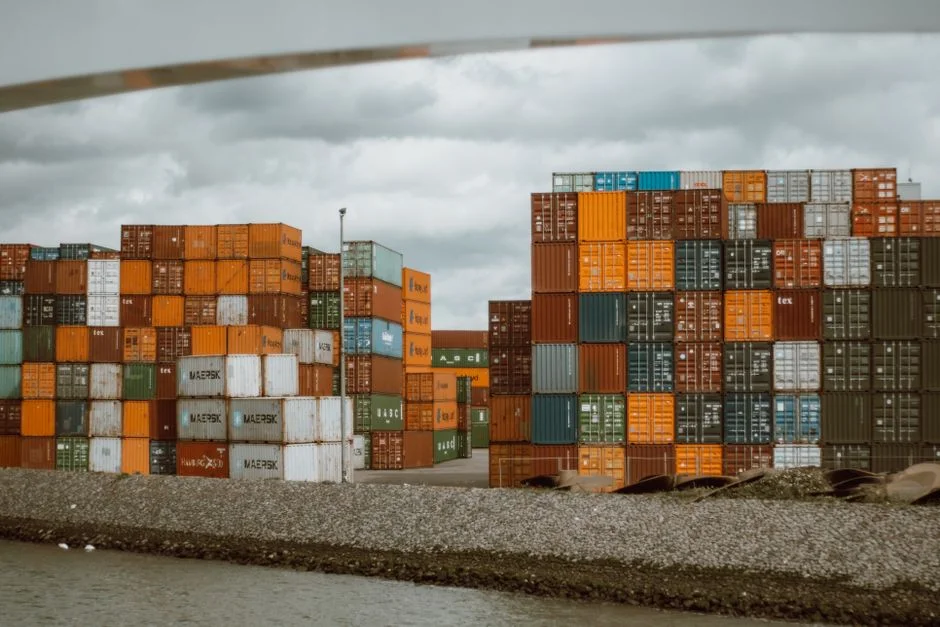
The Federal Government of Nigeria has launched a sweeping push into public-private partnerships, confirming on Thursday that the country faces a $2.3 trillion infrastructure gap that conventional budgets cannot fill. Officials in Abuja say the PPP framework will become the primary vehicle for attracting capital into roads, power, rail, and digital networks. The strategy signals a significant policy shift that investors and construction firms are already studying for opportunities.
What the PPP Scheme Involves
Under the new framework, private companies would co-finance, build, and operate infrastructure assets in exchange for revenue rights, concession periods, or government guarantees. The Minister of Finance Wale Edun outlined the approach during a briefing at the National Assembly, stating that public funds alone cannot bridge a gap of this scale. He pointed to toll roads, renewable energy plants, and port upgrades as priority areas where private capital could move fastest.
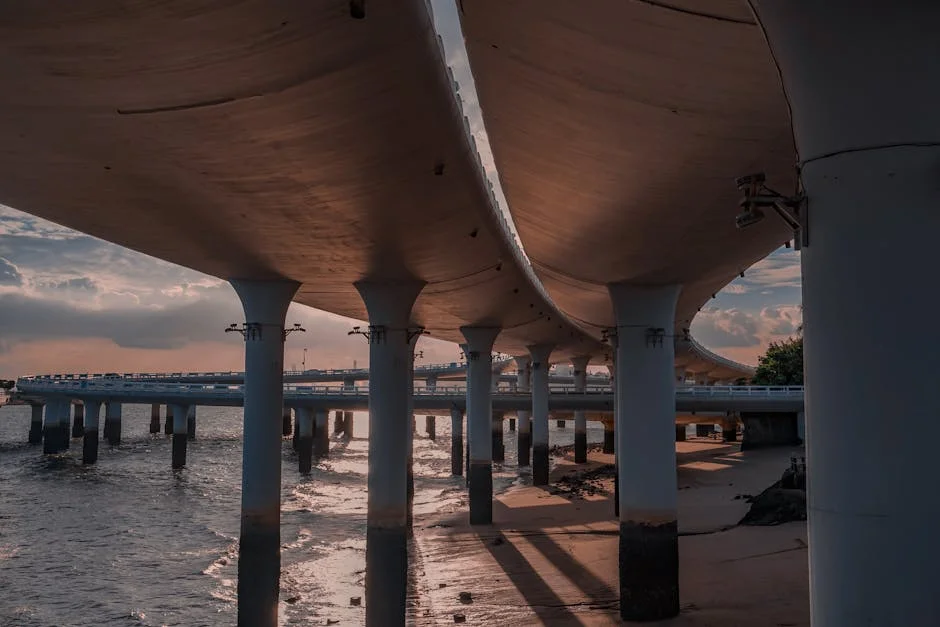
The government plans to establish a PPP project bank listing approved opportunities, with clear risk-sharing rules between the state and investors. Federal agencies including the Ministry of Infrastructure and the Infrastructure Regulatory Commission will oversee procurement and contract compliance. The goal is to reduce the bureaucratic delays that have stalled past infrastructure plans.
Why the Deficit Matters to Markets
Nigeria's infrastructure gap has widened for decades as population growth outpaced investment. Power generation stands at roughly 5,000 megawatts for a nation exceeding 220 million people, while the road network carries cargo that rail should handle. Economists have linked the deficit directly to lower productivity, higher logistics costs for businesses, and constrained foreign direct investment.
International investors have flagged infrastructure as a recurring obstacle when evaluating Nigeria as a market. A 2024 report by the African Development Bank ranked Nigeria among the lowest on the continent for infrastructure quality, scoring below Kenya, South Africa, and Egypt on key metrics. Closing that gap at $2.3 trillion would reshape the investment case for the entire economy.
Interest from Global Capital
Sovereign wealth funds from the Gulf states and development finance institutions including the International Finance Corporation have already signaled interest in Nigeria's PPP pipeline. Sources familiar with preliminary discussions say European infrastructure funds are particularly active, drawn by the scale of demand and the prospect of long-term concession revenues. Domestic construction firms are equally watchful, with several major players in Lagos positioning themselves as local partners for international operators.
Challenges That Could Slow Progress
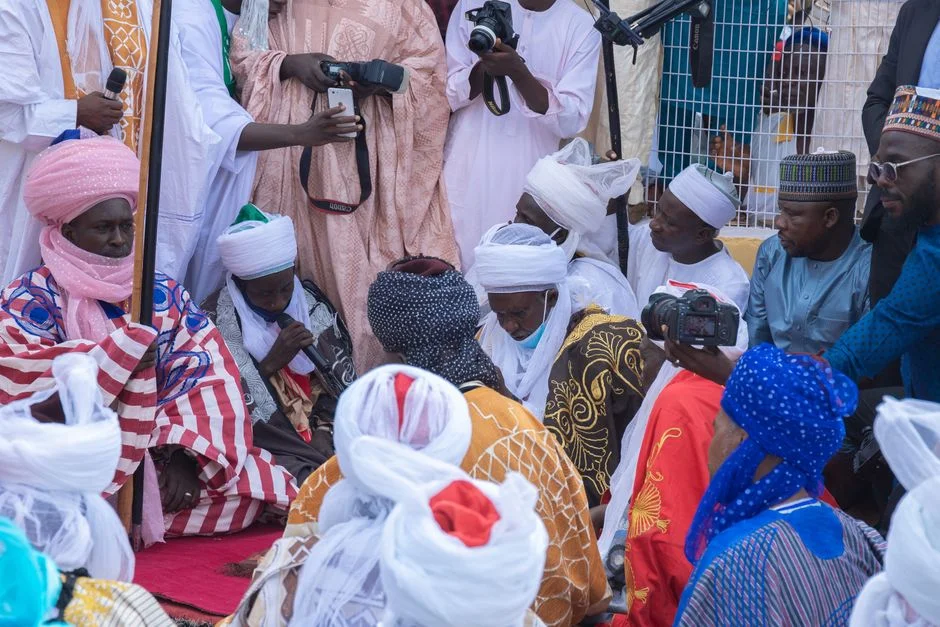
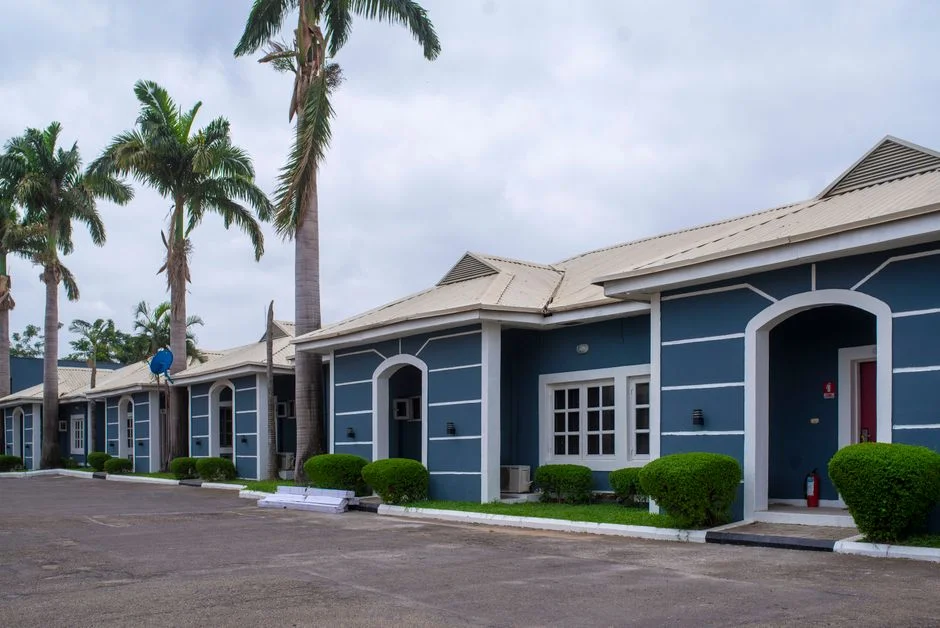
Despite the momentum, significant obstacles remain. Land acquisition disputes and state-level regulatory differences have delayed projects in the past. The judiciary has inconsistently enforced contract sanctity, leaving some investors wary of committing large sums without stronger guarantees.
Currency risk also weighs heavily. Nigeria's naira has weakened sharply against the dollar since the Central Bank abandoned its pegged exchange regime. Private investors building infrastructure that generates naira revenues while repaying dollar-denominated financing face a structural challenge that the government has yet to fully address in its PPP terms. Finance Minister Edun acknowledged these concerns in his National Assembly remarks, saying the government is working on currency hedging tools for priority projects.
Which Projects Move First
Lagos is positioning itself at the front of the queue. The state government has proposed three major PPP ventures, including upgrades to the Lekki-Epe corridor and an expansion of the Lagos rail mass transit system. Officials in Kano have floated PPP options for water treatment and industrial zones, while Port Harcourt is exploring similar arrangements for port logistics.
Federal projects in the pipeline include a high-capacity rail link between Lagos and Abuja, upgrades to the Kano-Maiduguri highway, and solar independent power producer contracts worth an estimated $2.1 billion. The Ministry of Power will lead negotiations for the solar projects, with the first bid deadline set for early next year.
What Investors Should Watch
The PPP framework offers potential, but the details will determine whether capital actually flows. Legal protections for private operators, clarity on tariff-setting mechanisms, and enforceability of contracts are the factors that will shape investor decisions. Companies considering Nigeria should conduct thorough due diligence on state-level regulations before committing.
The Central Bank of Nigeria has indicated willingness to provide partial guarantees for dollar-denominated returns on priority projects, a move that could reduce currency risk for foreign investors. Whether those guarantees prove credible will depend on the CBN's reserve position and political backing in the months ahead.
Timeline for Implementation
The government aims to have the PPP project bank operational by the end of the first quarter of next year, with the first round of contracts awarded by mid-year. The Ministry of Finance will publish detailed guidelines before the December holiday period, allowing investors time to assess terms before the bidding window opens.
Analysts will be watching the Federal Executive Council meeting scheduled for January, where the first set of PPP regulations could receive formal approval. That meeting will signal whether the ambitious $2.3 trillion target can translate into genuine deals or remain a policy aspiration.
See Also
- Shettima tells Nigerian states to act now on $750m World Bank reform fund
- Putin Heads to New Delhi — Markets Brace for Trade Shifts
What is the latest news about nigeria reveals 23 trillion infrastructure gap ppp model is the answer?
Why does this matter for politics-governance?
What are the key facts about nigeria reveals 23 trillion infrastructure gap ppp model is the answer?