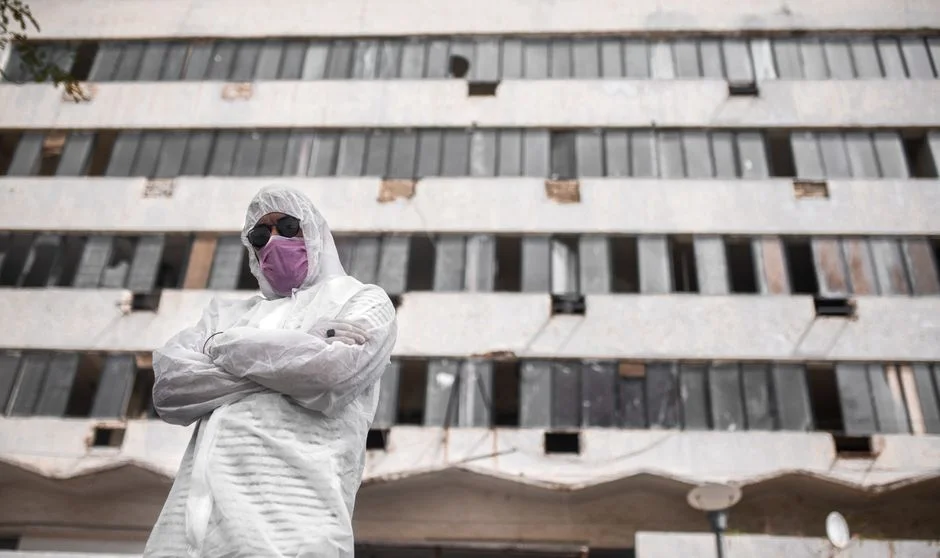
Hundreds of Kenyan youths gathered on Monday outside the Ebola quarantine centre at Laikipia Air Base, voicing strong opposition to the containment measures being put in place for US citizens. This protest highlights growing unease among the population concerning the potential implications of an Ebola outbreak on public health and the economy.
Protest Details and Motivations
The demonstration began early in the morning, with about 300 individuals chanting slogans and holding placards. They expressed concerns over the risks associated with housing an Ebola quarantine centre so close to populated areas. Many participants voiced fears that an outbreak could severely compromise their livelihoods and lead to increased economic instability.
Local resident Grace Mwangi remarked, "We cannot allow foreign nationals to risk our health. The government should prioritise our safety over foreign interests." The protest has drawn attention not only for its size but also for the underlying sentiment that echoes in many communities grappling with health crises.
Economic Context Behind the Protests
Kenya's economy has been gradually recovering from the impacts of the COVID-19 pandemic, with GDP growth projected at 5.5% for 2024. However, any resurgence of diseases like Ebola could hinder this recovery significantly. Investors are particularly watchful of public sentiment, as unrest can lead to volatility in local markets.
Various sectors, including tourism and agriculture, heavily rely on a stable health environment. The proximity of the quarantine centre to major urban areas raises red flags over potential disruptions. With tourism contributing approximately 10% to GDP, any significant health scare could deter international travellers, causing a ripple effect on local businesses.
Investors React to Health Concerns


Market analysts have begun to voice concerns over the potential economic fallout from these protests. Some investment advisors recommend caution in sectors directly impacted by tourism. As a result, stocks associated with travel and hospitality have seen minor fluctuations, suggesting that investor confidence may already be wobbling.
John Kiptoo, an economic analyst at the Nairobi Business School, stated, "The protests indicate public fear surrounding health risks, which can adversely affect investor sentiment. Businesses operating in health-sensitive sectors should remain vigilant in adjusting their strategies to maintain consumer trust."
Regional Implications: What to Watch in South Africa
The situation in Kenya could have broader implications for South Africa, particularly regarding trade and investment flows. Should health crises like an Ebola outbreak escalate, it may lead to tightened borders and increased scrutiny of health standards across the continent.
South African importers and exporters may face increased shipping costs and delays as health fears spread. Companies reliant on African markets could see profits dip if these issues escalate and hamper regional trade.
Looking Ahead: Future Developments to Monitor
Government responses to the protests will be critical in determining the immediate future. As the Ministry of Health works to assure the public of safety protocols, officials must balance the requirements for international collaboration with citizens' concerns.
In the coming weeks, stakeholders should monitor any official statements regarding health protocols and measures. Additionally, local businesses should prepare for possible regulatory changes that could impact operations in the face of public health fears.
See Also
- Local Celebrates Cricket’s Biggest Icon, Dave Callaghan — Economic Boost Ahead
- Mekwunye Warns Credible Nigeria Elections 'Impossible' Under INEC