A contentious proposal to establish a quarantine facility for Americans potentially exposed to Ebola has ignited a fierce debate in Kenya, pitting public health officials against protesters who say the plan puts their communities at unnecessary risk. The controversy has spilled into the corridors of diplomatic talks, raising questions about Washington's approach to African partners and what the fallout could mean for trade and investment flows across the region.
What the Proposal Entails
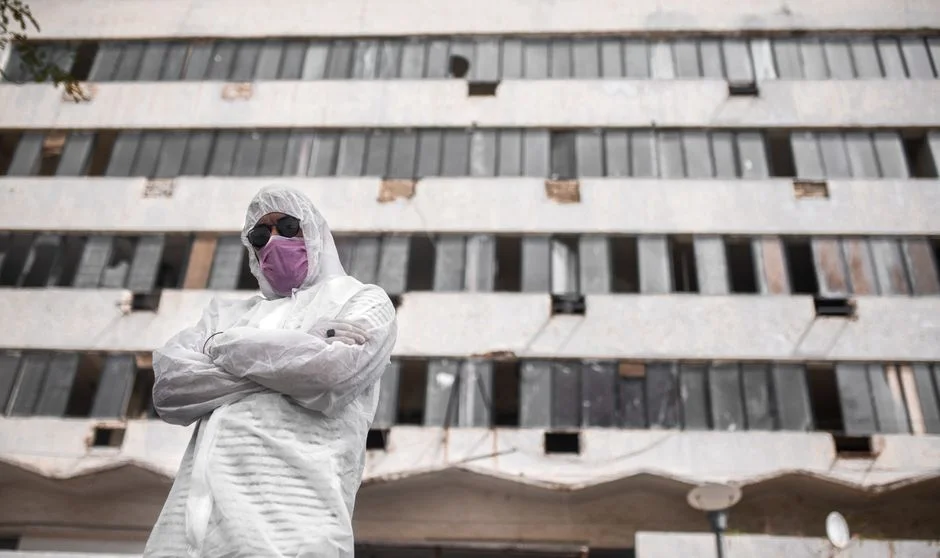
American health authorities have been exploring locations for a dedicated quarantine center that could house US citizens returning from Ebola-affected regions in West and Central Africa. Kenya emerged as a leading candidate, given its relatively developed medical infrastructure and its role as a regional hub for humanitarian operations. The facility, according to documents reviewed by NPR, would be managed by American personnel operating under diplomatic protocols.
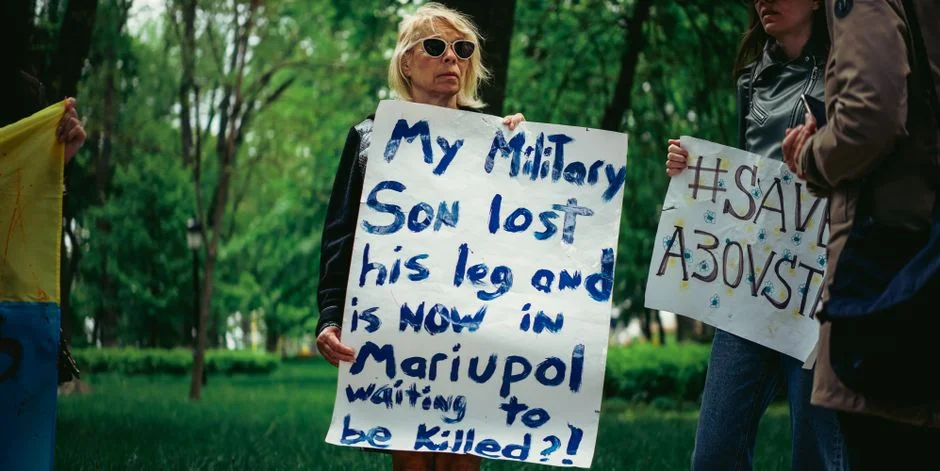
The plan drew sharp criticism almost immediately. Local communities near the proposed site in Nairobi voiced opposition through organised demonstrations, with protesters carrying signs objecting to what they described as a unilateral decision made without meaningful consultation with Kenyan stakeholders. The Guardian reported on the demonstrations, noting that anger in affected neighbourhoods has not subsided despite official reassurances about safety protocols.
The Protest Movement
Demonstrators have gathered outside government buildings in the capital, demanding transparency about the terms of any agreement with Washington. Organisers have framed the issue as one of sovereignty, arguing that Kenya should not become a default dumping ground for health risks that wealthy nations prefer to manage elsewhere. The protests have attracted support from opposition politicians and civil society groups who say the deal, as currently contemplated, lacks accountability mechanisms.
Kenyan officials have attempted to calm the situation. The Ministry of Health issued a statement confirming that no final decision had been made and that discussions were ongoing. A senior official told reporters that any facility would meet or exceed World Health Organisation standards for biosafety. The official declined to confirm the specific site under consideration, citing security concerns.
Diplomatic Implications
The controversy arrives at an awkward moment for US-Kenya relations. Washington has sought to deepen its strategic partnership with Nairobi, viewing Kenya as a key ally in combating extremism and maintaining influence in East Africa. Any perception that the United States is imposing health-related arrangements without local consent could damage that relationship. Observers in South Africa have noted the parallels with debates in their own country about foreign military medical presences, suggesting the issue resonates beyond Kenya's borders.
Economic Stakes for Investors


Market analysts are watching closely. Kenya has positioned itself as one of Africa's most attractive destinations for foreign direct investment, particularly in technology and infrastructure. A prolonged diplomatic dispute with Washington could undermine that reputation, particularly if the controversy fuels broader concerns about political risk. The Nairobi Securities Exchange experienced modest selling pressure this week, though traders attributed the moves to broader emerging market weakness rather than the quarantine debate specifically.
Tourism, a vital component of Kenya's economy, could also suffer if travellers associate the country with Ebola containment efforts. Airlines operating routes into Nairobi have not altered schedules, but industry sources say booking data is being monitored closely. The potential for reputational damage extends to neighbouring nations, where health authorities are already on edge following outbreaks in the Democratic Republic of Congo.
Public Health Arguments
Supporters of the quarantine proposal argue that a dedicated American-run facility would actually reduce risks by keeping potentially infected individuals separate from the general public. They point out that Kenya already handles dangerous pathogens through its own established network of isolation units. The key difference, they contend, is that a purpose-built American facility would operate under stricter protocols and with specialised equipment.
Critics reject this framing. They say the plan reflects a pattern in which wealthy nations seek to externalise risk while benefiting from African infrastructure and goodwill. Public health experts in the region have noted that Ebola transmission requires close contact with bodily fluids, meaning a properly managed facility poses minimal risk. The debate, they suggest, reveals more about geopolitical dynamics than actual medical science.
What Happens Next
Negotiations between US and Kenyan officials continue, though both sides have been tight-lipped about the details. Parliament in Nairobi is expected to debate the proposal in the coming weeks, and activists have vowed to maintain pressure until the plan is abandoned or significantly modified. Washington has not publicly committed to any alternative locations, but media reports suggest Uganda and Ghana have been mentioned as possibilities.
For investors and businesses with interests in East Africa, the outcome could set an important precedent. How African governments handle demands from major powers for exceptional health arrangements may shape future negotiations over everything from military bases to pharmaceutical trials. The quarantine debate, once a narrow public health discussion, has become a proxy for larger questions about sovereignty, risk-sharing, and the terms of engagement between wealthy nations and the continent.
See Also
- Nvidia Unveils AI Breakthrough at GTC, Sparks Debate on Africa's Tech Leap
- Anthropic vs Pentagon: What Europe's Tech Tensions Reveal for Africa's Future