Ethiopia is set to hold its elections on 9 August 2024, a pivotal moment for the nation marked by escalating tensions with Eritrea. As political uncertainty spreads, businesses and investors are bracing for potential economic repercussions, especially in a region grappling with instability.
Ethiopia's Strained Relations with Eritrea
Relations between Ethiopia and Eritrea have been fraught since the two nations fought a bitter war from 1998 to 2000. Despite a peace agreement in 2018, lingering tensions have resulted in a complex relationship that affects the peace and economic stability of the region. With Ethiopia's election on the horizon, the risk of renewed conflict remains a pressing concern for markets.
Recent developments suggest that Eritrean forces may be poised to intervene in the upcoming election, which could exacerbate tensions. The implications of such moves could ripple through Ethiopian markets and impact regional trade routes through the Red Sea.
Market Reactions to Election Uncertainty
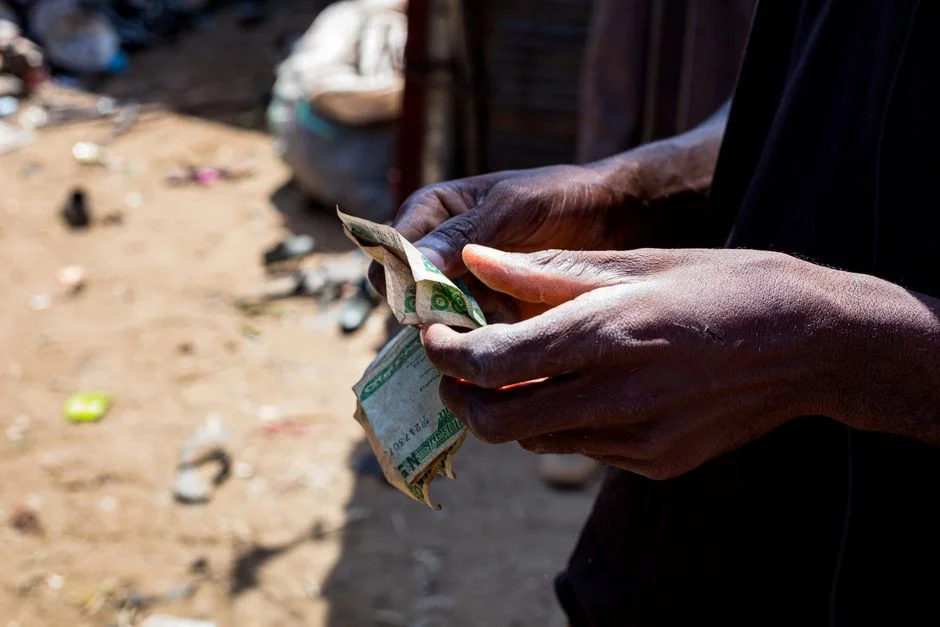
As the election date approaches, Ethiopian assets are showing signs of volatility. The Ethiopian birr has weakened by 12% against the US dollar since the beginning of the year, reflecting heightened investor caution. Analysts fear that if political unrest erupts, the birr could face further depreciation, which would inflate prices and undermine consumer confidence.
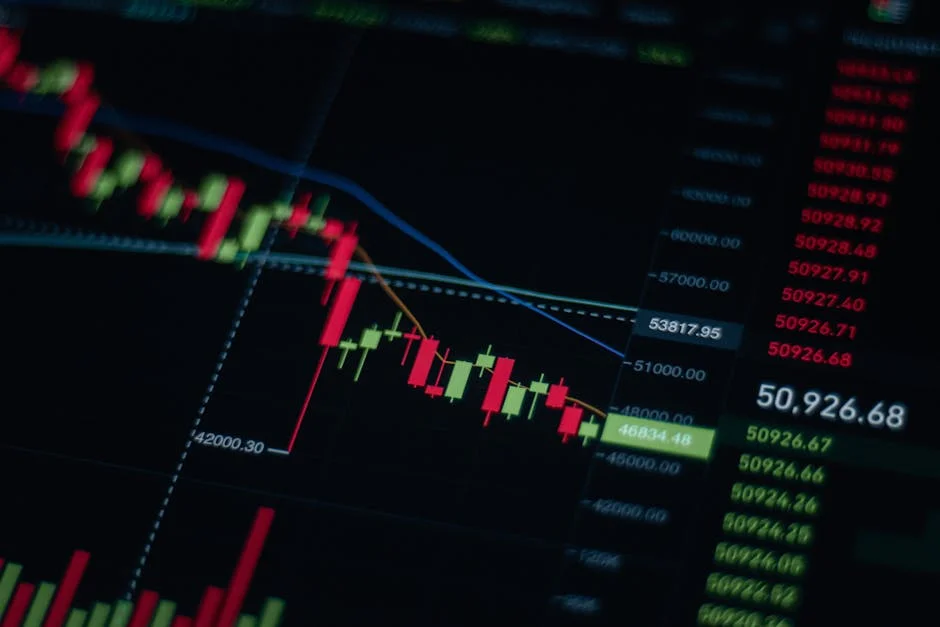
Already, the Addis Ababa Stock Exchange has experienced fluctuations, with share prices of major companies like Ethiopia's largest bank, Commercial Bank of Ethiopia, declining 15% over the last month. Investors are hedging against potential risks, and many are closely monitoring geopolitical developments in the Horn of Africa.
Impact on Businesses and Investment
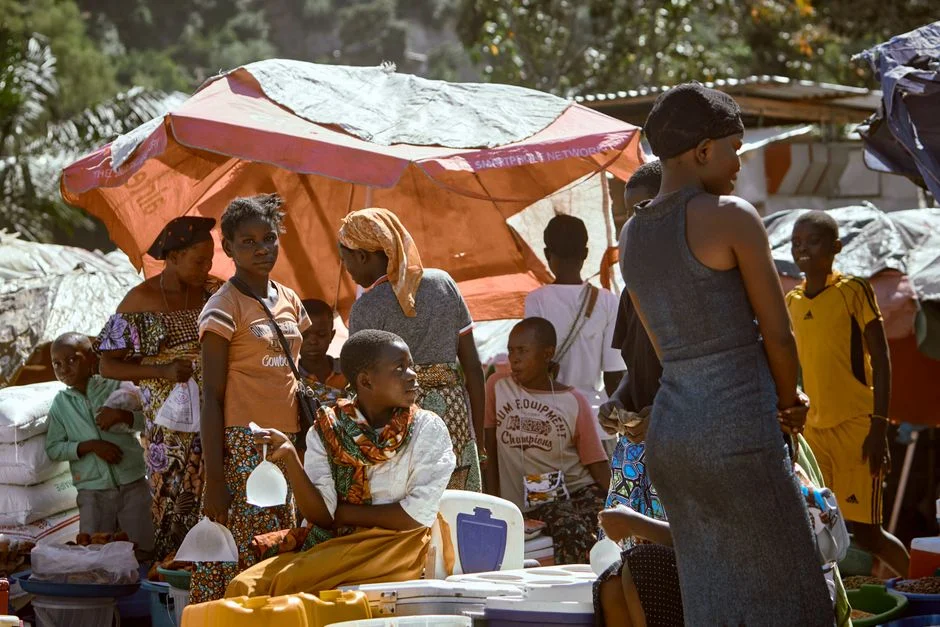
The uncertainty surrounding the election is causing businesses in Ethiopia to reconsider their operations. Companies reliant on imports may face higher costs and supply chain disruptions if conflict escalates. A survey conducted by the Ethiopian Chamber of Commerce revealed that 60% of businesses anticipate a decline in economic performance in the coming quarter due to election-related unrest.
Moreover, foreign direct investment, which had seen a surge in the past years, is now at risk. Countries like South Africa, which have strong trade ties with Ethiopia, are watching closely. The South African government has already issued advisories for businesses contemplating new ventures in Ethiopia, emphasising the need for caution.
Strategic Significance of the Red Sea
The Red Sea serves as a vital trade route for Ethiopia, linking it to global markets. Should tensions with Eritrea escalate, trade through these waters could be threatened, significantly impacting Ethiopia's economic stability. The region has already seen conflicts that disrupted maritime routes, and any new conflict could have dire consequences for shipping costs and regional commerce.
Investors in South Africa and beyond should monitor the evolving situation, as geopolitical dynamics could affect commodity prices, particularly in sectors reliant on exports from the Red Sea. An escalation could also lead to increased shipping insurance premiums, affecting overall trade costs.
Looking Ahead: What to Watch
The elections scheduled for August 2024 will serve as a litmus test for Ethiopia's political stability. Analysts are urging investors to watch for pre-election violence and government responses. Key events to observe include the election campaign developments and international diplomatic engagements with Eritrea and other neighbouring nations.
The outcome of the elections will influence not only Ethiopia's internal situation but also broader economic ties within East Africa. As such, businesses should prepare contingency plans and remain alert to the fast-changing political landscape in Ethiopia.
Should tensions with Eritrea escalate, trade through these waters could be threatened, significantly impacting Ethiopia's economic stability. A survey conducted by the Ethiopian Chamber of Commerce revealed that 60% of businesses anticipate a decline in economic performance in the coming quarter due to election-related unrest.Moreover, foreign direct investment, which had seen a surge in the past years, is now at risk.