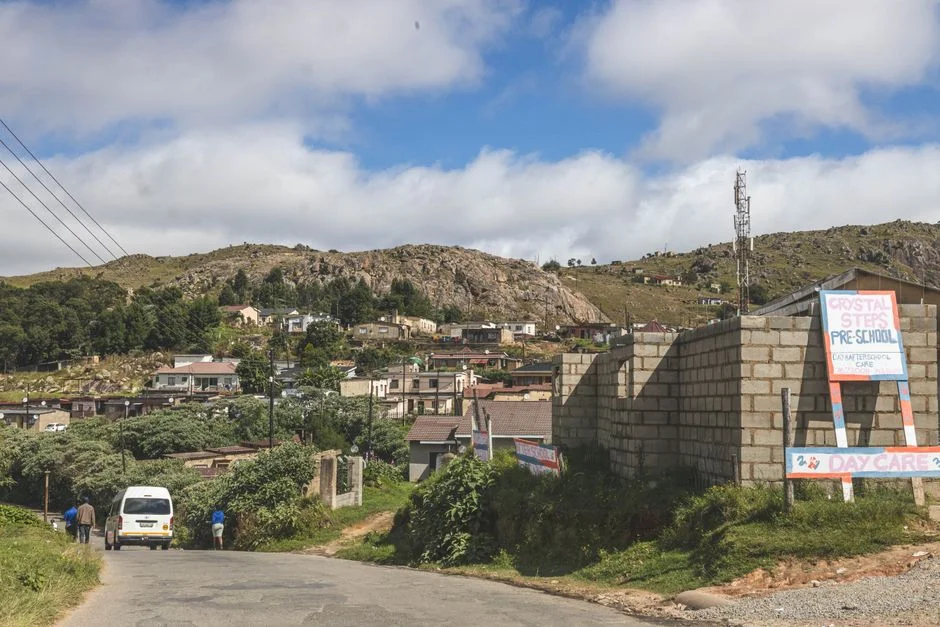
The South African government has been rocked by ongoing protests over electricity shortages and high unemployment rates. As communities express their frustration, the political climate grows increasingly fraught, impacting business operations and investor confidence. Recent demonstrations in Johannesburg have seen thousands gather to voice their demands for urgent action to address these crises.
Growing Discontent and Its Implications
The recent protests have drawn attention to the severe power shortages plaguing South Africa, with electricity supply interruptions reported at an all-time high. Approximately 58% of South Africans have expressed dissatisfaction with the government's handling of energy crises and economic challenges, according to a survey conducted by Ipsos in July 2023.

This widespread discontent presents significant implications for businesses operating in the country. Companies are facing increased operational costs as they rely on costly generators and alternative power solutions, pushing some to consider relocating abroad. The political unrest could deter foreign investment, crucial for South Africa's economic recovery.
Government Challenges Ahead
President Cyril Ramaphosa's administration is under immense pressure to respond effectively to the unrest. Recently, Nco Dube, a prominent political analyst, warned that failure to act decisively may lead to further protests and public dissatisfaction. Dube stated, "The government must prioritise solutions rather than allowing anger to fester. Otherwise, the consequences will be dire for the economy."
The government’s inability to provide consistent electricity supply has been particularly damaging for small and medium-sized enterprises (SMEs), which are the backbone of South Africa’s economy. Many SMEs have reported a drop in revenue as they struggle to maintain productivity amidst ongoing load-shedding.
Effects on Investment Landscape
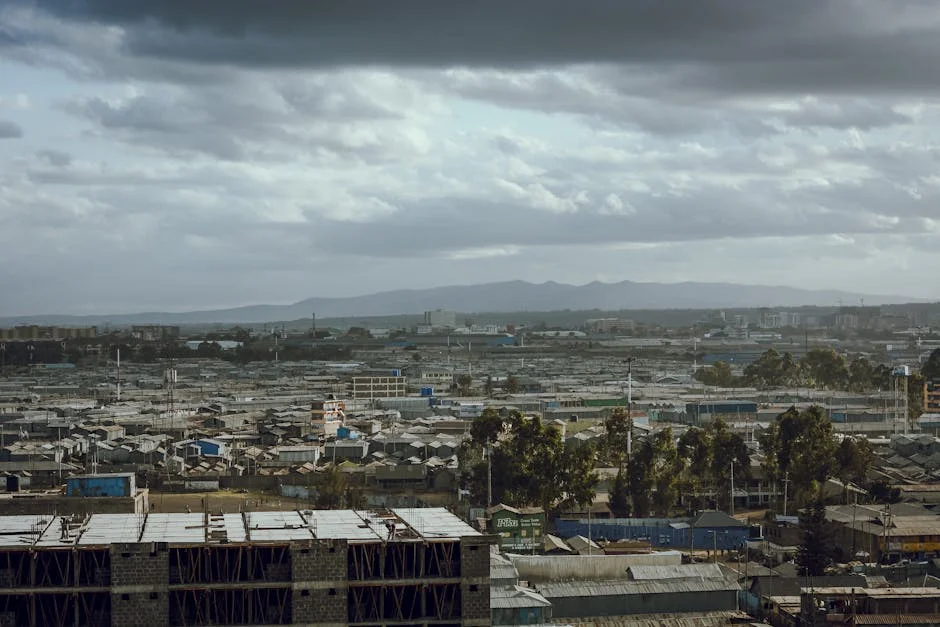
Investor sentiment remains fragile, with the Johannesburg Stock Exchange experiencing fluctuations influenced by political developments. Confidence indices show a decline, prompting many investors to reassess their portfolios in South Africa. The risk of instability is prompting some to seek safer investment environments.
Moreover, with the upcoming local elections in 2024, market analysts indicate that investor confidence may worsen as uncertainties surrounding political leadership unfold. Companies preparing for these elections must be wary of potential policy shifts that could impact their operations significantly.
Economic Recovery at Risk
The ongoing issues threaten to derail South Africa's already fragile economic recovery, which was anticipated to make progress following the Covid-19 pandemic. The country’s GDP growth forecast remains modest at 2%, driven largely by anticipated improvements in key sectors such as mining and manufacturing.
However, without a strategy to resolve public grievances, many fear that the economic outlook could deteriorate further. South Africa's investment-grade status has already been downgraded by agencies, and continued unrest may lead to additional cuts, adversely affecting borrowing costs and the overall economy.
What’s Next for South Africa?
As protests continue, all eyes are on the government’s response and the potential for policy changes in the coming weeks. The economic implications of these social movements extend beyond immediate disruptions; they threaten long-term growth and investment sustainability in South Africa.
Upcoming discussions among government leaders about energy reforms and economic measures are critical. Stakeholders, including business leaders and investors, should closely monitor these developments, particularly as the local elections approach.
See Also
- Washington Shooting Triggers Market Jitters Before Trump Briefing
- UAE Launches $10 Billion Bet on South Africa's Economic Revival
The risk of instability is prompting some to seek safer investment environments.Moreover, with the upcoming local elections in 2024, market analysts indicate that investor confidence may worsen as uncertainties surrounding political leadership unfold. Companies preparing for these elections must be wary of potential policy shifts that could impact their operations significantly.Economic Recovery at RiskThe ongoing issues threaten to derail South Africa's already fragile economic recovery, which was anticipated to make progress following the Covid-19 pandemic.
What is the latest news about south africa faces anger crisis businesses brace for economic shock?
Why does this matter for politics-governance?
What are the key facts about south africa faces anger crisis businesses brace for economic shock?