The Investec Cape Town Marathon has secured a record-breaking lineup of international elite runners, transforming the annual sporting event into a major economic catalyst for the Western Cape. This strategic acquisition of global athletic talent is not merely a sporting victory but a calculated business move designed to maximize return on investment for local hospitality and retail sectors. Organizers have leveraged the star power of these athletes to drive significant pre-event spending and media exposure, directly impacting the local economy.

Elite Talent Drives Economic Activity

The presence of world-class athletes creates immediate financial ripples through the local economy. Hotels in the City Bowl and Sea Point have already reported occupancy rates exceeding 85 percent for the race weekend, well ahead of typical booking curves. This surge in demand allows property owners to implement dynamic pricing strategies, often increasing room rates by up to 30 percent compared to non-event weekends. The revenue generated from these short-term stays contributes directly to the hoteliers' bottom lines and increases tax receipts for the municipal government.

Cape Town Marathon Star Power Triggers R300 Million Tourism Surge — Sports
Sports · Cape Town Marathon Star Power Triggers R300 Million Tourism Surge

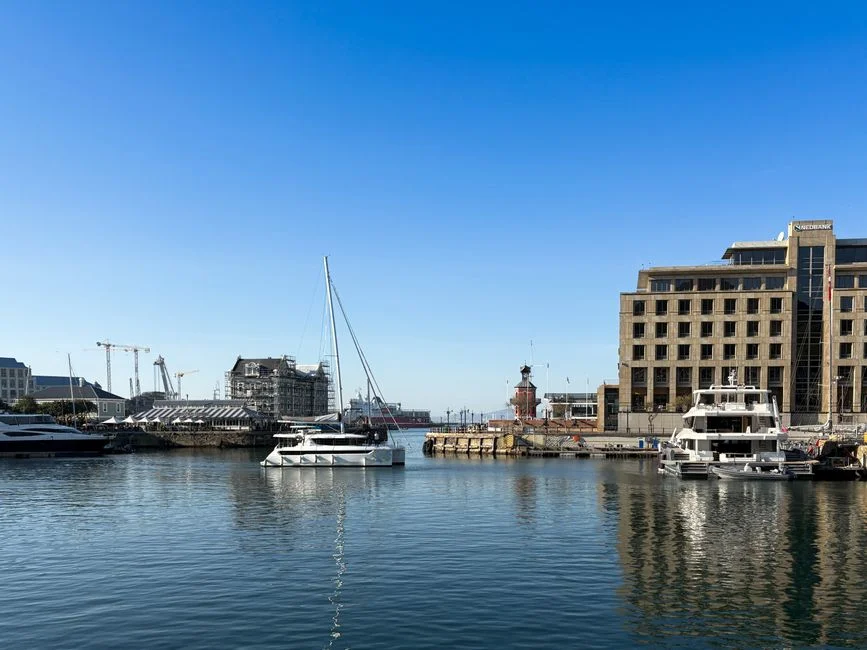
Local businesses near the start and finish lines on the Cape Town waterfront are also benefiting from the influx of spectators and participants. Retailers report increased foot traffic, with sales of branded merchandise, sports gear, and casual wear rising sharply in the weeks leading up to the event. This consumer spending supports local employment and keeps cash flowing through the regional supply chain. The economic multiplier effect ensures that every rand spent by a runner or spectator generates additional value for local vendors and service providers.

Direct Revenue Streams for Local Hospitality

The hospitality sector views the marathon as a critical anchor event for the winter tourism season. Without such major international gatherings, Cape Town often faces a dip in visitor numbers between July and September. The marathon fills this gap by attracting runners who typically stay for an average of three to four nights. This extended stay pattern boosts revenue not just for hotels but also for restaurants, cafes, and transport services. The consistency of this income stream provides stability for businesses that otherwise face seasonal volatility.

Brand Value and Global Exposure

For investors and sponsors, the value of the Cape Town Marathon extends far beyond ticket sales and entry fees. The event serves as a dynamic marketing platform, offering global brands access to a diverse and engaged audience. Sponsors such as Investec and various technology firms gain valuable brand visibility through television broadcasts and digital media coverage that reaches millions of viewers across Africa and Europe. This exposure translates into tangible marketing return on investment, allowing companies to strengthen their market position in the region.

The economic impact of this media coverage is substantial. According to recent analysis, the broadcast value of the event has grown steadily, offering sponsors an alternative to traditional advertising channels. Companies can leverage the association with elite athletes to enhance their brand equity, suggesting qualities of endurance, precision, and global reach. This intangible asset is increasingly important in a competitive market where consumer attention is fragmented across multiple digital and physical platforms.

Furthermore, the success of the marathon enhances the broader "Cape Town Brand" as a premier destination for both business and leisure travelers. This reputational capital attracts other major conferences and sporting events, creating a virtuous cycle of investment and development. The city's ability to deliver a world-class event signals reliability and infrastructure quality to potential foreign direct investors. This perception is crucial for maintaining Cape Town's competitive edge against other African cities vying for international attention.

Infrastructure and Urban Development Impacts

The economic pressures and opportunities presented by the marathon have also influenced urban planning and infrastructure development. The route, which winds through iconic neighborhoods like Sea Point and the V&A Waterfront, benefits from targeted maintenance and beautification projects. These improvements, while initially funded for the race, provide long-term value to residents and property owners along the corridor. Enhanced public spaces and better transport links increase the attractiveness of these areas for both commercial and residential investment.

Transport operators also see a significant boost in revenue during the event. The City of Cape Town coordinates extensive bus and taxi services to manage the flow of runners and spectators, leading to higher utilization rates for public transport networks. This increased usage helps subsidize operational costs and demonstrates the viability of public transit in a car-centric city. The data collected during the event also provides valuable insights for future transport planning, helping the municipality optimize routes and frequencies for broader economic efficiency.

Long-Term Infrastructure Benefits

Investments made specifically for the marathon often yield dividends long after the last runner crosses the finish line. Upgrades to road surfaces, lighting, and signage improve the overall liveability of the areas involved. These enhancements can lead to increased property values and attract further private sector investment in the vicinity. The economic argument for maintaining high standards in these public spaces is strengthened by the annual influx of international visitors who judge the city by its physical appearance and functionality.

Investment Perspective and Market Signals

For the financial markets, the Cape Town Marathon serves as a barometer for consumer confidence and economic health. Strong participation numbers and robust sponsorship deals indicate a resilient local economy capable of supporting large-scale events. Investors in the hospitality and retail sectors monitor these metrics to gauge demand trends and adjust their capital expenditure plans accordingly. A successful marathon weekend often correlates with positive quarterly earnings for listed companies in the tourism and leisure industries.

The event also highlights the importance of the services sector in the South African economy. As the country seeks to diversify its economic base, the ability to attract high-value international events is a key strategy. The revenue generated from the marathon contributes to the service sector's share of GDP, helping to stabilize the broader economic landscape. This diversification reduces reliance on volatile commodity prices and provides a more stable foundation for long-term economic growth.

Challenges and Economic Risks

Despite the clear benefits, the economic model of the Cape Town Marathon faces certain challenges. Inflation and currency fluctuation can impact the purchasing power of local spectators and the value of international sponsorships. The South African Rand's volatility, for instance, can affect the real value of revenue earned from foreign tourists and media rights. Organizers must carefully manage these financial risks through hedging strategies and diversified revenue streams to ensure the event remains financially viable in the long term.

Additionally, the reliance on a single large event creates a degree of economic concentration risk. Any disruption, whether due to weather, health crises, or logistical failures, can have an outsized impact on the local economy. Businesses must therefore balance their reliance on the marathon with other seasonal strategies to mitigate this risk. Diversification of the event calendar and the development of niche sporting events can help spread economic benefits more evenly throughout the year.

Future Outlook and Economic Projections

Looking ahead, the Cape Town Marathon is poised to continue its role as a key economic driver for the region. Organizers are exploring new revenue streams, including digital engagement platforms and expanded merchandise offerings, to capture value from the growing global running community. These innovations aim to maximize the economic return on the event, ensuring that it remains a profitable venture for stakeholders and a valuable asset for the city. The focus on sustainability and community engagement is also expected to enhance the event's brand value, attracting more socially conscious investors and sponsors.

The economic impact of the marathon is likely to grow as the global sports tourism market expands. With increasing numbers of international runners choosing Cape Town as a destination, the potential for revenue growth remains strong. Continued investment in infrastructure and marketing will be crucial to capturing this potential and translating it into tangible economic benefits for the region. The success of the event will depend on the ability of organizers and local businesses to adapt to changing consumer preferences and economic conditions.

Stakeholders should monitor the upcoming announcement of the 2025 sponsorship packages and ticket sales figures, which will provide early indicators of the event's financial health and market demand. These metrics will offer valuable insights into the resilience of the local tourism sector and the broader economic outlook for the Western Cape. Investors and business leaders are advised to track these developments closely to inform their strategic planning and investment decisions for the coming year.

Frequently Asked Questions

What is the latest news about cape town marathon star power triggers r300 million tourism surge?

The Investec Cape Town Marathon has secured a record-breaking lineup of international elite runners, transforming the annual sporting event into a major economic catalyst for the Western Cape.

Why does this matter for sports?

Organizers have leveraged the star power of these athletes to drive significant pre-event spending and media exposure, directly impacting the local economy.

What are the key facts about cape town marathon star power triggers r300 million tourism surge?

Hotels in the City Bowl and Sea Point have already reported occupancy rates exceeding 85 percent for the race weekend, well ahead of typical booking curves.

Editorial Opinion

The event also highlights the importance of the services sector in the South African economy. Strong participation numbers and robust sponsorship deals indicate a resilient local economy capable of supporting large-scale events.

— southafricanews24.com Editorial Team
Poll
Do you agree with the experts quoted in this article?
Yes56%
No44%
674 votes
L
Author
Lindiwe Nkosi is South Africa News 24's chief sports journalist. A former national-level netball player, she brings insider perspective to Springbok rugby, Bafana Bafana, cricket, and athlete stories.