The University of Ilorin has retained its position as Nigeria's most patronised higher education institution, according to a former registrar who outlined the factors behind the school's sustained dominance. Emmanuel Obafemi, speaking on behalf of the institution's alumni body known as Ilorin Ex, pointed to academic consistency, infrastructure investment, and student support systems as key differentiators. The university, located in Kwara State's capital city, continues to attract applications far exceeding its admission capacity each year.
Academic Reputation Drives Application Flood
Obafemi told reporters that the university's ranking among Nigeria's top institutions stems from years of deliberate policy choices. The school maintains rigorous admission standards while expanding its campus facilities to accommodate growing demand. Unlike many public universities that have faced strikes or infrastructure decay, Ilorin has managed to deliver relatively uninterrupted academic calendars. This reliability has made it the preferred choice for students across Nigeria's six geopolitical zones.
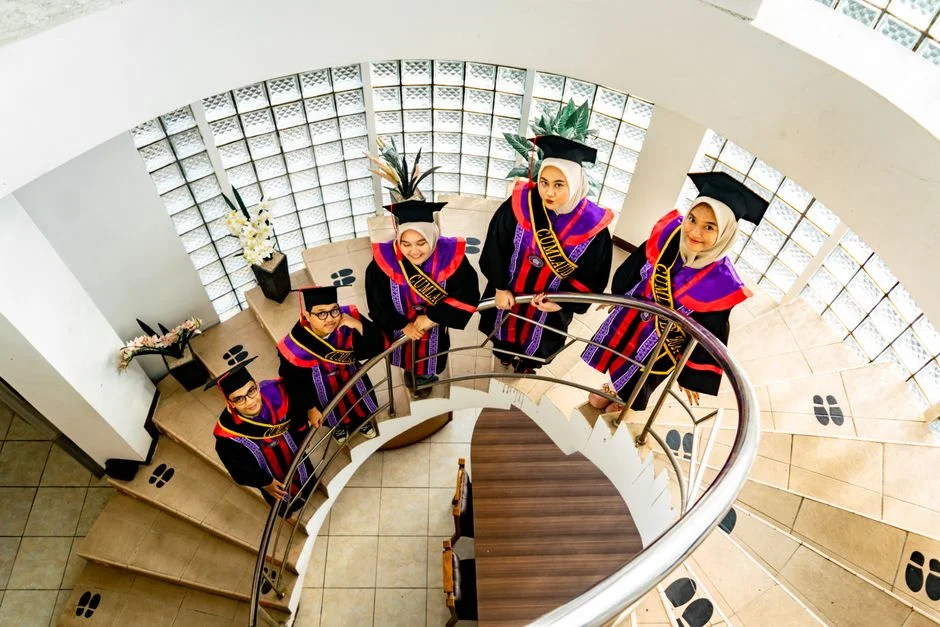
The institution currently offers programmes across 13 faculties, including medicine, engineering, and law. Hammed Shittu, a education analyst based in Lagos, noted that graduate employability remains high. Local employers frequently cite Unilorin graduates as well-prepared for professional roles. This reputation creates a self-reinforcing cycle where prospective students prioritise the university knowing its credentials carry weight in the job market.
Economic Implications of Education Dominance
From an investment perspective, the university sector represents significant economic activity in Nigeria. Each admission cycle generates revenue through application fees, accommodation services, and ancillary spending in Ilorin's surrounding economy. When one institution captures a disproportionate share of student enrolment, it concentrates economic benefits in its host community while potentially starving competing institutions of resources.
The concentration of talent in Unilorin also affects labour market dynamics. Employers seeking graduates with specific competencies often recruit directly from the campus, reducing hiring costs and time-to-productivity. For businesses operating in Nigeria's formal economy, this pipeline of job-ready graduates represents a tangible economic asset. South African companies expanding into the Nigerian market would find Unilorin alumni particularly relevant given the university's strength in engineering and business programmes.
Infrastructure and Student Support Systems


Obafemi highlighted the university's housing infrastructure as a critical factor. The campus provides accommodation for approximately 25,000 students, reducing the pressure on off-campus housing markets in Ilorin. This capacity differentiates Unilorin from peers that struggle to house their student bodies, forcing many learners into costly private accommodation. The knock-on effect extends to local landlords, food vendors, and transport operators who serve the university community.
The institution has also invested in recreational facilities and student wellness programmes. These investments, while not directly academic, contribute to retention rates and graduate outcomes. Universities that lose students to attrition or mental health challenges waste resources and damage their reputation. Unilorin's approach minimises these risks, maintaining its attractiveness to future applicants and their families.
What Competing Institutions Must Learn
Other Nigerian universities face pressure to match Unilorin's performance without comparable resources. The gap between Nigeria's most sought-after institution and mid-tier universities continues to widen, creating stratification in the higher education landscape. This disparity has implications for workforce development across sectors, as employers increasingly distinguish between graduates based on institutional pedigree.
The challenge for Nigeria's education policymakers involves spreading best practices without simply redirecting students to already-successful institutions. Fragmenting Unilorin's dominance would require coordinated investment in competing campuses, faculty development programmes, and governance reforms. Without such intervention, the concentration of academic excellence in Ilorin appears likely to persist.
Looking Ahead: Admission Season Brings Fresh Test
The next admission cycle will test whether Unilorin can maintain its position amid increasing competition and economic headwinds. Rising costs for families may push some students toward less expensive institutions, potentially altering enrolment patterns. The university has not announced changes to its fee structure, and officials have indicated confidence in continued demand.
Investors and business leaders should watch how the higher education sector adapts to Nigeria's current economic conditions. Education remains one of the few sectors where demand appears inelastic, but affordability constraints could reshape institutional hierarchies in coming years. The University of Ilorin's ability to hold its market position will signal broader trends in human capital formation across Africa's largest economy.
See Also
- Ramaphosa Appeals Farm Cash Report — Markets Brace for Shock
- Eastern Cape Schools Shut as Weather Service Issues Red Alert