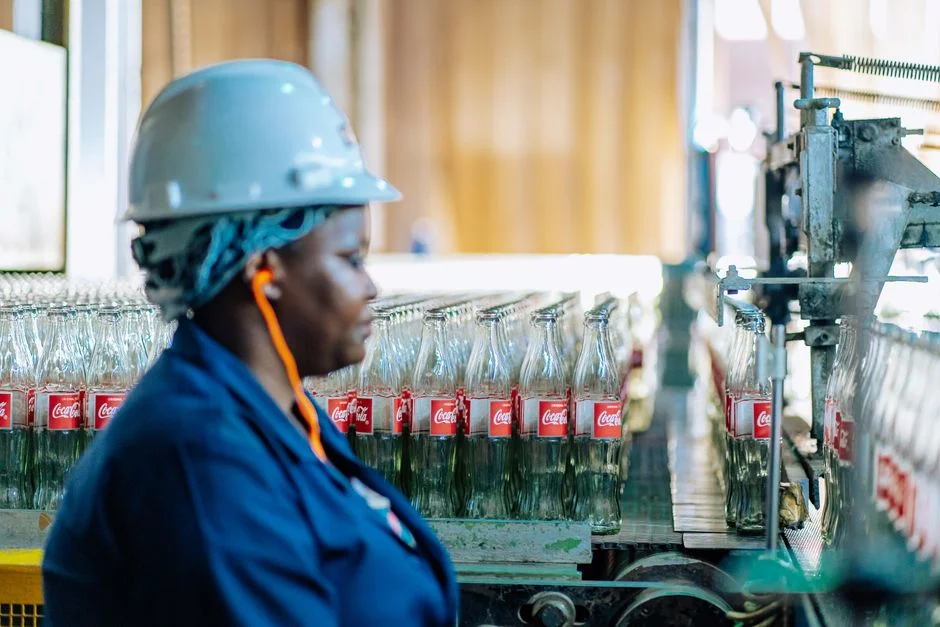
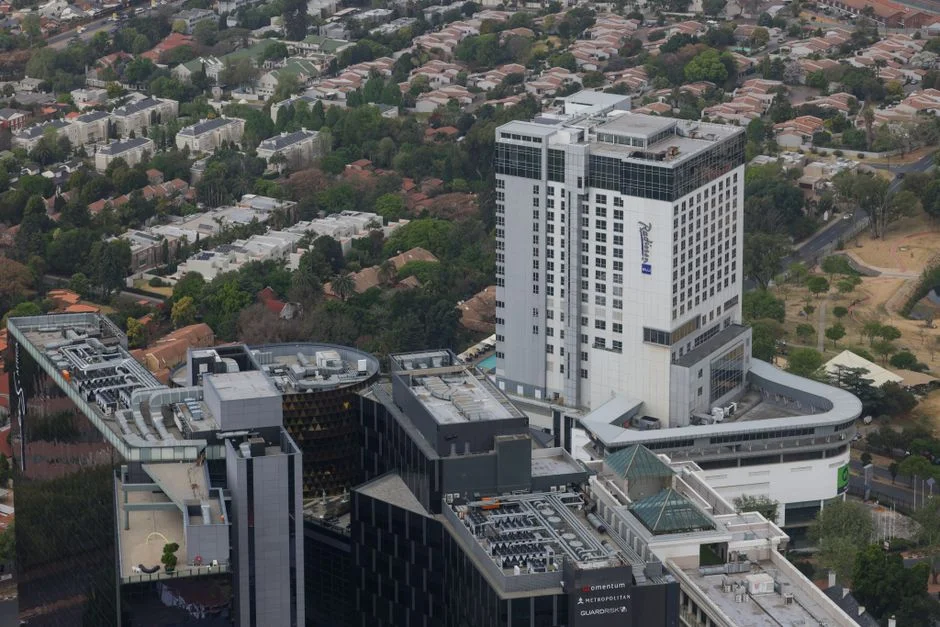
The United States has officially extended the African Growth and Opportunity Act (AGOA), providing a crucial reprieve for South African exporters. This legislative move stabilizes trade flows between Pretoria and Washington, allowing key industries to maintain duty-free access to the lucrative American market. Investors have responded positively to the news, viewing the extension as a buffer against rising geopolitical friction.
Immediate Relief for Export-Led Growth
South African businesses rely heavily on AGOA to remain competitive in the United States. The act allows eligible sub-Saharan African countries to export thousands of products to the US without paying customs duties. For South Africa, this includes critical sectors such as automobiles, textiles, and citrus fruits. Without this preference, many exports would face tariffs that could erode profit margins significantly.
The extension means that companies in the Eastern Cape, a hub for automotive manufacturing, can continue exporting vehicles to the US at a competitive price. BMW and Toyota plants in Gqeberha and Uitenhage benefit directly from this arrangement. Their products enter the American market with lower costs, making them more attractive to US consumers compared to rivals from Europe or Asia.
Market analysts note that the certainty provided by the extension helps stabilize the Rand. Currency markets often react to trade policy clarity. When exporters know their access is secure, they are more likely to reinvest and hire. This positive sentiment can support the South African economy during a period of global uncertainty.
Geopolitical Tensions Complicate the Relationship
Despite the economic benefits, the political relationship between Pretoria and Washington faces headwinds. South Africa’s foreign policy choices have sometimes put it at odds with American strategic interests. The African National Congress-led government has maintained strong ties with traditional US allies and competitors alike. This balancing act creates uncertainty about the long-term viability of AGOA.
The “America First” doctrine in Washington emphasizes reciprocal trade and strategic alignment. US policymakers are increasingly questioning whether South Africa deserves preferential treatment if its diplomatic stance diverges from American priorities. This tension adds a layer of risk for investors who must weigh economic gains against political volatility.
Trade diplomats in Pretoria are working to reassure Washington of South Africa’s commitment to democratic values and market openness. They argue that economic interdependence can bridge political divides. However, the margin for error is shrinking as US domestic politics become more focused on trade deficits and strategic competition.
The Role of Reciprocity in US Trade Policy
Reciprocity is a central theme in current US trade negotiations. Washington wants African nations to open their markets to American goods and services in return for duty-free access. South Africa has made progress in liberalizing its trade regime, but gaps remain. The US seeks greater access for American agricultural products and digital services in the South African market.
This demand for reciprocity could lead to new bilateral agreements. Such deals might go beyond the unilateral benefits of AGOA. They could create a more structured and predictable trade framework. For South African businesses, this means adapting to new rules of origin and tariff schedules. The transition could be costly but potentially rewarding in the long run.
Impact on Key Sectors


The automotive sector is the biggest beneficiary of AGOA. South Africa exports billions of dollars worth of cars and components to the US annually. The extension ensures that this pipeline remains open. Manufacturers can continue to plan production schedules and manage supply chains with greater confidence. This stability is vital for an industry that employs hundreds of thousands of workers.
Agriculture is another critical sector. South African citrus, wine, and grapes are popular in US supermarkets. The duty-free status allows these perishable goods to compete on price and quality. Farmers in the Western Cape and KwaZulu-Natal rely on the US market to absorb their surplus. Any disruption could lead to price gluts and reduced farmgate prices.
The textile and apparel industry also benefits, though it faces stiff competition. South African garments enter the US market with lower tariffs compared to Asian rivals. This advantage allows designers and manufacturers to target niche markets. However, the sector must continue to innovate to maintain its edge. Consumers in Washington and New York are increasingly price-sensitive.
Investor Sentiment and Market Reactions
Financial markets in Johannesburg reacted with cautious optimism to the AGOA extension. Investors viewed the move as a vote of confidence in South Africa’s economic stability. The Rand strengthened slightly against the US dollar in the immediate aftermath. This currency movement reflects the market’s appreciation for trade policy clarity.
Foreign direct investment flows may also benefit. Companies considering expanding into South Africa see AGOA as a gateway to the US market. They value the ability to manufacture in Africa and sell to America with minimal tariff barriers. This “bridge” status makes South Africa an attractive destination for multinational corporations seeking to diversify their supply chains.
However, investors remain wary of political risks. The extension is not permanent. Congress must periodically renew AGOA, and each renewal comes with political bargaining. Investors are watching closely for signs of friction between Pretoria and Washington. Any escalation in diplomatic tensions could quickly erode the confidence gained from the extension.
Challenges for South African Businesses
South African exporters face several challenges in maximizing the benefits of AGOA. Compliance with rules of origin is complex. Companies must ensure that a sufficient percentage of their products are sourced from AGOA-eligible countries. This requirement often involves detailed supply chain management and documentation. Errors can lead to lost tariffs and administrative headaches.
Infrastructure constraints also limit the potential of AGOA. Port delays, electricity shortages, and logistics bottlenecks can increase costs and reduce reliability. US buyers demand consistent quality and timely delivery. South African businesses must invest in infrastructure and efficiency to meet these expectations. Failure to do so could erode the competitive advantage provided by duty-free access.
SMEs often struggle to navigate the AGOA framework. Large corporations have the resources to hire trade experts and manage compliance. Smaller businesses may find the process daunting. Government support and private sector initiatives are needed to help SMEs tap into the US market. This inclusion is essential for broad-based economic growth.
Looking Ahead: What to Watch
The next critical juncture for AGOA is the upcoming congressional review. Lawmakers in Washington will assess the program’s effectiveness and political alignment. South Africa’s performance on trade reciprocity and diplomatic relations will be key factors. Businesses should monitor these developments closely to anticipate potential changes.
Pretoria must continue to engage with Washington to secure the program’s future. Diplomatic efforts should focus on highlighting the mutual benefits of AGOA. Economic data showing job creation and trade growth will be powerful arguments. South Africa must demonstrate that AGOA is a strategic asset for both nations.
Investors and businesses should prepare for potential shifts in trade policy. Diversifying export markets and building resilience in supply chains are prudent strategies. The extension provides breathing room, but it is not a permanent solution. Staying informed and adaptable will be essential for navigating the evolving trade landscape between South Africa and the United States.
See Also
- South Africa's DTC Orders Schools to Enforce Safety Norms — What This Means for Education
- Iran Closes Strait of Hormuz: 150 Ships Stranded and African Economies at Risk
This currency movement reflects the market’s appreciation for trade policy clarity. Large corporations have the resources to hire trade experts and manage compliance.
What is the latest news about us extends agoa for south africa markets react to new trade reality?
Why does this matter for economy-business?
What are the key facts about us extends agoa for south africa markets react to new trade reality?