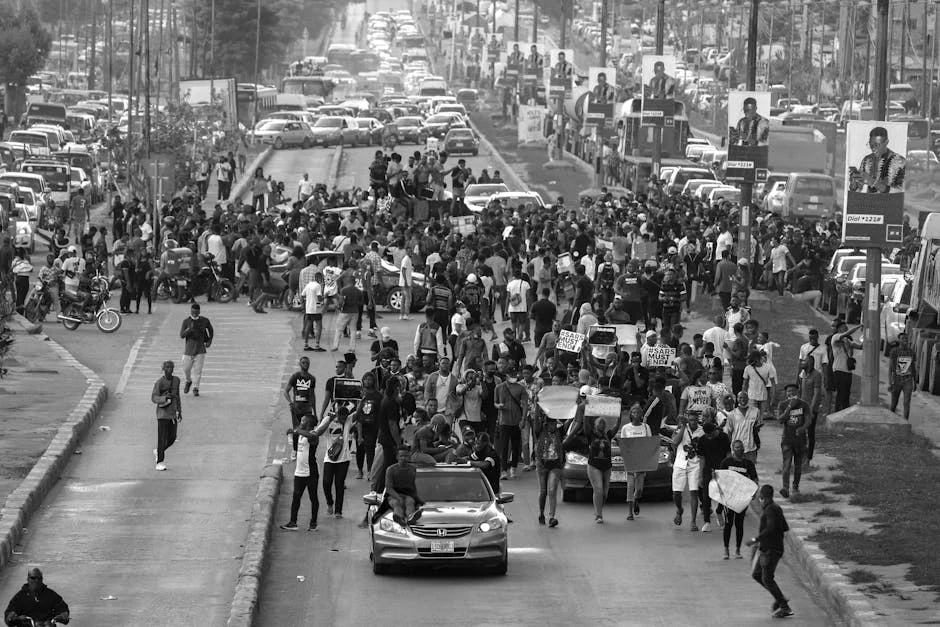
Protests are set to erupt across Cape Town as demonstrators clash over the influx of foreign nationals and the perception of cheap labour. This social unrest directly threatens the city’s status as a primary investment hub in South Africa. Investors are already recalibrating their risk models in anticipation of supply chain disruptions. The economic stakes are high for a city that contributes significantly to the national GDP.
The Economic Cost of Social Unrest
Cape Town is not merely a tourist destination; it is an economic engine driving much of South Africa’s growth. The city accounts for a disproportionate share of the country’s foreign direct investment and export earnings. When streets close and businesses shutter, the financial bleeding starts immediately. Retailers face inventory shortages while hospitality venues deal with fluctuating visitor numbers. This volatility creates uncertainty that is the natural enemy of long-term capital allocation.
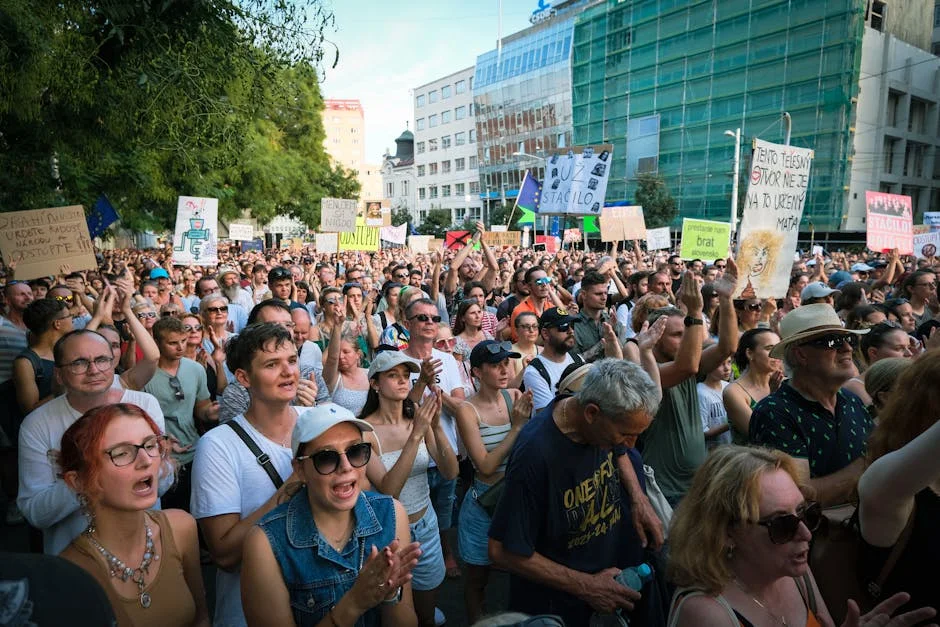
The concept of "cheap labour" lies at the heart of the current tension. Local workers argue that foreign nationals, often from neighbouring countries, accept lower wages, thereby suppressing local earning power. This wage suppression can lead to a race to the bottom in sectors like construction, agriculture, and hospitality. Businesses that rely on these cost efficiencies may face sudden labour shortages if protests turn into strikes or boycotts. The resulting inflationary pressure on wages could erode profit margins for small and medium-sized enterprises.
Market analysts warn that prolonged instability in Cape Town could spill over into the broader Johannesburg financial district. As the two economic powerhouses of South Africa are closely linked, a shock in one often reverberates in the other. The Rand may face downward pressure if investors perceive the political and social landscape as increasingly unpredictable. This currency fluctuation affects everything from import costs to the valuation of local equities.
Business Operations Under Siege
Local businesses are bracing for impact, with many implementing contingency plans to mitigate operational disruptions. Retail chains in key shopping districts are monitoring crowd sizes and adjusting stock levels accordingly. Logistics companies are rerouting deliveries to avoid main arteries where demonstrators are expected to congregate. These adaptive measures come at a cost, which is ultimately passed on to the consumer.
The hospitality sector is particularly vulnerable. Cape Town’s economy relies heavily on tourism, which brings in foreign currency and supports thousands of jobs. If protesters block access to key attractions or if the city’s image is tarnished by media coverage, visitor numbers could dip. Hotels and restaurants are already seeing a shift in booking patterns, with last-minute cancellations becoming more frequent. This sector’s sensitivity to sentiment means that even short-lived protests can have a lingering economic effect.
Supply Chain Vulnerabilities
Supply chains are the backbone of Cape Town’s industrial output, and they are fragile under pressure. The city’s port is a critical node for importing goods and exporting minerals and agricultural products. Any disruption to the roads leading to the port can cause bottlenecks that ripple through the entire economy. Importers face higher holding costs, while exporters risk missing shipment windows, leading to penalties and lost contracts.
Manufacturing firms are also feeling the strain. Many factories depend on a steady flow of raw materials and a reliable workforce. If demonstrations block major highways, just-in-time manufacturing models break down. This forces companies to hold more inventory, tying up cash flow and reducing liquidity. For smaller manufacturers with thinner margins, this can be the difference between growth and stagnation.
Investor Sentiment and Market Reactions


Investors are closely watching the situation in Cape Town as a barometer for broader economic stability. The Johannesburg Stock Exchange has seen increased trading volumes, reflecting heightened uncertainty. Sector-specific performance varies, with consumer discretionary stocks facing more volatility than defensive sectors like utilities. This divergence highlights how different industries are exposed to the immediate effects of social unrest.
Foreign direct investment flows are sensitive to political and social stability. If Cape Town is perceived as a hotspot for conflict, multinational corporations may delay expansion plans or even reconsider their presence in the city. This hesitation can lead to a slowdown in job creation and innovation. The long-term competitiveness of the city depends on its ability to project an image of reliability and openness to business.
Analysts note that the cost of capital may rise for businesses operating in the region. Lenders may demand higher interest rates to compensate for the increased risk of default. This makes borrowing more expensive for companies looking to invest in new equipment, expand their workforce, or launch new products. The financial pressure on businesses can lead to a tightening of credit conditions, which can slow down economic activity.
The Role of Foreign Nationals in the Labour Market
The debate over foreign labour is complex and deeply rooted in South Africa’s economic history. Foreign nationals often fill skill gaps in the local labour market, providing expertise that may be in short supply. However, the perception that they are underpaid fuels resentment among local workers. This tension is not just social; it has direct economic implications for wage structures and productivity.
Organisations representing workers are calling for stricter enforcement of labour laws to protect local jobs. They argue that without regulation, foreign workers can be exploited, which in turn drags down wages for everyone. Employers, on the other hand, argue that foreign labour offers flexibility and cost-efficiency, which are crucial for remaining competitive in a global market. This tug-of-war creates an uncertain environment for both employers and employees.
The economic contribution of foreign nationals is significant. They start businesses, pay taxes, and consume goods and services. According to data from the South African Revenue Service, foreign entrepreneurs contribute billions of Rands to the national economy annually. Displacing this workforce without a viable alternative could lead to a contraction in economic activity. The challenge is to integrate foreign labour in a way that benefits both locals and newcomers.
Policy Responses and Regulatory Challenges
Government bodies are under pressure to respond to the growing discontent. The Department of Labour and the Department of Home Affairs are key players in managing the flow of foreign workers. However, bureaucratic inefficiencies often slow down decision-making, leaving businesses and workers in limbo. Clear and consistent policies are needed to provide certainty for investors and employees alike.
Local municipalities are also playing a crucial role. Cape Town City Council has implemented various measures to manage protests and maintain order. These include deploying additional police units and setting up command centres to coordinate responses. The effectiveness of these measures will determine the duration and intensity of the disruptions. A swift and decisive response can help restore confidence in the local economy.
Regulatory frameworks need to be updated to reflect the changing dynamics of the labour market. This includes revising visa categories, updating wage guidelines, and strengthening enforcement mechanisms. Policymakers must balance the need to protect local jobs with the economic benefits of foreign labour. Failure to do so could lead to prolonged social unrest and economic stagnation.
Long-Term Economic Implications
The current protests in Cape Town are a symptom of deeper structural issues in the South African economy. High unemployment, income inequality, and currency volatility are all contributing factors. Addressing these root causes requires a multi-faceted approach involving government, business, and civil society. Short-term fixes may provide temporary relief, but long-term stability requires structural reforms.
The impact of these protests extends beyond Cape Town. As a major economic hub, the city’s stability influences investor confidence across the region. If the situation deteriorates, it could trigger a broader economic slowdown in South Africa. This would affect export revenues, foreign investment, and job creation. The ripple effects could be felt in neighbouring countries that are economically integrated with South Africa.
Businesses must adapt to this new reality by building resilience into their operations. This includes diversifying supply chains, investing in technology, and fostering strong relationships with local communities. Companies that are agile and responsive are more likely to weather the storm and emerge stronger. The crisis presents an opportunity for innovation and strategic repositioning.
What to Watch Next
Investors and businesses should monitor the duration and intensity of the protests in Cape Town. Key indicators include road closures, port operations, and retail foot traffic. Any escalation in tensions could lead to broader economic disruptions. The response of government agencies and local authorities will also be critical in determining the outcome.
Watch for announcements from the Department of Labour and the Department of Home Affairs regarding policy changes. These could include new visa regulations, wage guidelines, or enforcement measures. Such announcements will provide clarity on the future of the foreign labour market in South Africa. Businesses should prepare for potential regulatory shifts and adjust their strategies accordingly.
The next few weeks will be crucial in determining the long-term impact of the protests on Cape Town’s economy. If order is restored quickly, the economic damage may be limited to short-term disruptions. However, if the unrest persists, it could lead to a more profound restructuring of the local labour market. Investors should remain vigilant and ready to adjust their portfolios in response to new developments.
See Also
- Western Cape Cold Front Triggers Economic Shockwaves Across SA
- Jetour Secures 2026 South African Car of the Year — Boosting Chinese Market Presence
Key indicators include road closures, port operations, and retail foot traffic. Foreign nationals often fill skill gaps in the local labour market, providing expertise that may be in short supply.