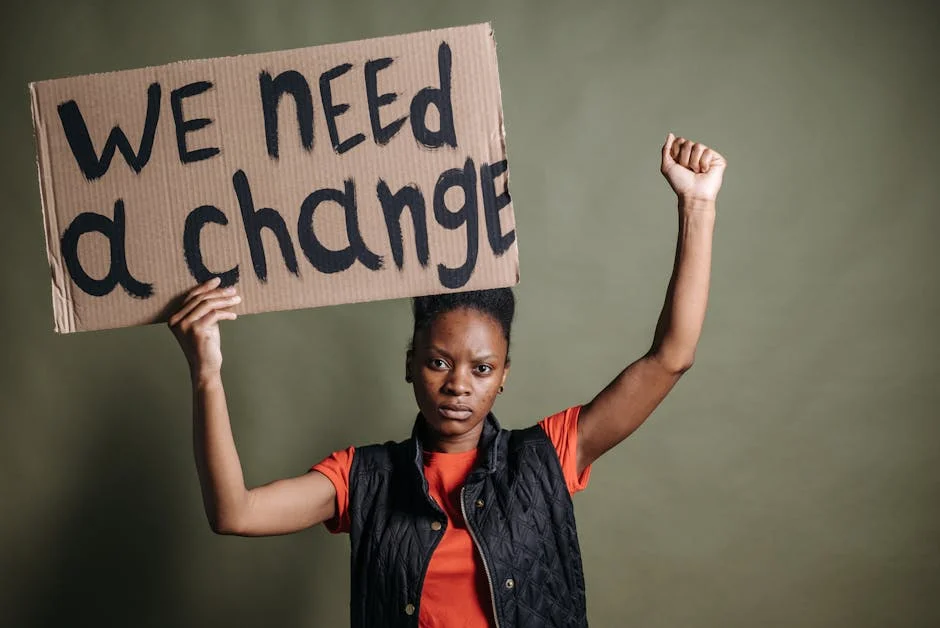
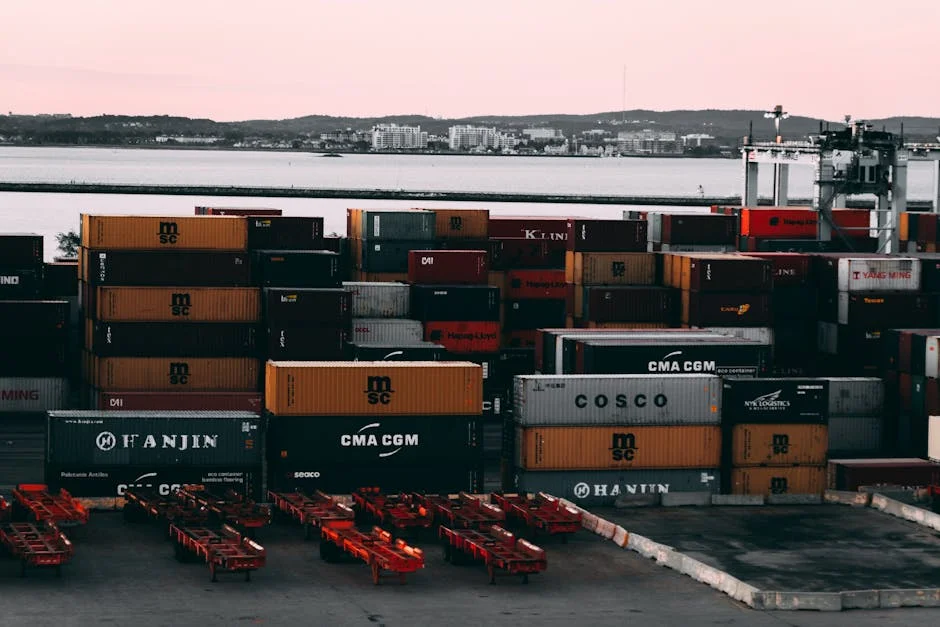
The BRICS alliance enters its 2026 summit in Cape Town with the weight of a fractured global economy pressing down on its members. Foreign ministers and finance chiefs are converging to define how this bloc will navigate the growing schism between Western powers and emerging economies. For investors watching from Johannesburg and beyond, the stakes extend far beyond diplomatic rhetoric. The decisions made in this conference hall will directly influence currency valuations, supply chain resilience, and capital flow into Southern Africa.
The Economic Imperative of a Divided World
Global trade is no longer moving in a single, fluid direction. Tariffs, sanctions, and strategic decoupling have created distinct economic spheres. The BRICS nations represent a significant portion of the world's population and natural resources. They are attempting to build infrastructure that can withstand shocks from both the Eurozone and North America. This structural shift is forcing multinational corporations to rethink their regional strategies.
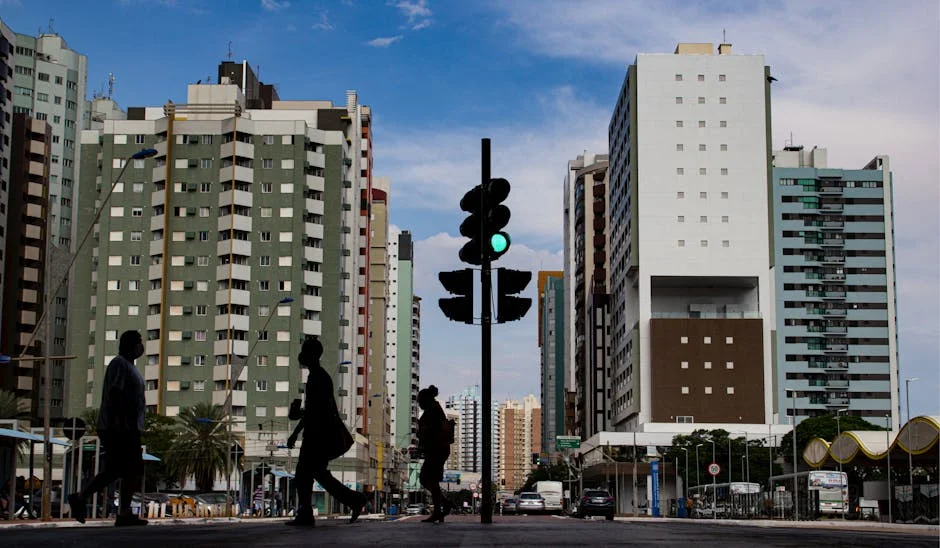
Markets are beginning to price in the volatility associated with this division. The rand has shown increased sensitivity to announcements from Beijing and Moscow. Investors are looking for clarity on how the alliance plans to mitigate the risk of being squeezed between two powerful economic blocks. The uncertainty creates both risk and opportunity for agile businesses.
Monetary Policy and the Currency Question
The most immediate market concern involves the potential for a unified BRICS currency or a strengthened basket of local currencies. While a single coin may be years away, the push to reduce reliance on the US dollar is accelerating. This has direct implications for South Africa's export competitiveness. A weaker dollar dependency could stabilize trade balances for commodity-heavy nations.
Impact on Local Businesses
Local manufacturers face complex decisions regarding currency hedging. If the alliance moves toward settling more trade in the rand, yuan, or rupee, the transaction costs for South African firms could drop significantly. This would make exports to Brazil and India more attractive. However, the transition period will likely see increased volatility. Businesses must prepare for fluctuating exchange rates as new payment gateways are tested.
Financial institutions in Johannesburg are already adjusting their liquidity models. Banks are increasing their reserves in non-dollar assets to hedge against potential sanctions or liquidity crunches. This shift affects interest rates and borrowing costs for small and medium enterprises. The ripple effects will be felt across the retail and industrial sectors.
Trade Routes and Supply Chain Resilience
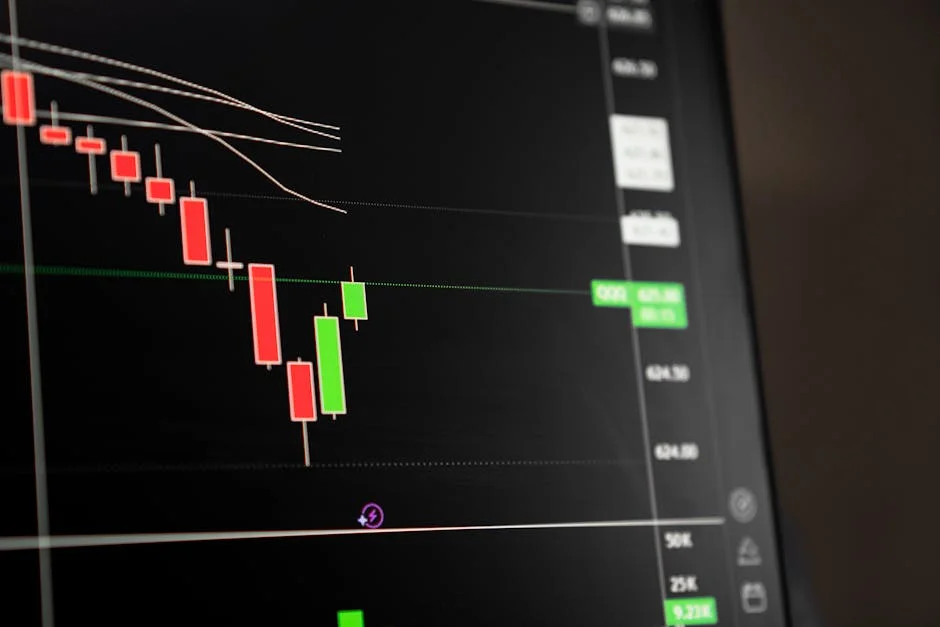

South Africa’s geographic position makes it a critical node in the BRICS trade network. The Cape Town summit will likely focus on enhancing logistics connectivity between Africa and Asia. Improved port infrastructure and rail links are essential for moving goods efficiently. This infrastructure spending offers immediate opportunities for construction and engineering firms.
Investors are scrutinizing the supply chain vulnerabilities exposed by recent global disruptions. The alliance aims to create a more self-sufficient trade loop. This means sourcing more raw materials and finished goods from within the bloc. For South African miners and farmers, this opens up new, potentially less volatile markets. Diversification is key to reducing dependence on traditional European buyers.
The integration of digital trade platforms is another critical component. Reducing bureaucratic friction through shared digital customs systems can speed up delivery times. This efficiency gain is vital for perishable goods and high-tech components. Companies that adapt to these new digital standards will gain a competitive edge in the regional market.
Investment Flows and Capital Allocation
The movement of capital within the BRICS bloc is expected to intensify. The New Development Bank plays a central role in funding infrastructure projects. Its lending decisions will signal where the alliance sees the most growth potential. South African projects in renewable energy and transport are likely to attract significant attention. This influx of capital can help bridge the investment gap in the local economy.
Foreign direct investment patterns are shifting. Companies from China and India are looking to deepen their foothold in Africa. The summit provides a platform for announcing new joint ventures and strategic partnerships. These investments bring not only capital but also technology transfer and skills development. Local businesses can benefit through subcontracting and supply chain integration.
However, the influx of foreign capital also raises questions about market dominance. There is a risk that local SMEs could be overshadowed by larger Asian conglomerates. Policymakers need to ensure that trade agreements include provisions for local content and competitive neutrality. Balancing open markets with local protectionism will be a delicate task for the government.
Sector-Specific Opportunities and Risks
Certain sectors are poised to benefit more than others from the BRICS integration. The energy sector is at the forefront, with a focus on renewable energy and critical minerals. South Africa’s manganese and platinum reserves are strategic assets for the global energy transition. The alliance’s push for green energy creates a favorable export environment for these commodities.
The technology sector also stands to gain. Digital infrastructure and fintech solutions are key areas for collaboration. South African tech startups can leverage the large consumer bases in India and Brazil. This expansion potential can drive valuation increases and attract venture capital. The convergence of digital payment systems across the bloc is a particularly promising area.
Conversely, traditional manufacturing faces stiff competition. As trade barriers within the bloc decrease, South African factories must compete with highly efficient producers in Asia. This could lead to consolidation in the manufacturing sector. Companies that fail to innovate or improve productivity may struggle to survive. The pressure to upgrade technology and skills will intensify.
Geopolitical Tensions and Market Sentiment
The political dynamics within the alliance are complex. While economic interests align, historical rivalries and differing political systems create friction. These tensions can spill over into economic cooperation, affecting the speed and depth of integration. Markets are sensitive to these geopolitical signals. A unified front boosts confidence, while internal discord can trigger sell-offs.
The relationship with the European Union and the United States remains a critical variable. The West is watching the BRICS expansion with a mix of caution and opportunity. Trade deals and diplomatic engagements with Western partners can complement or complicate BRICS strategies. South Africa must navigate these relationships carefully to maximize economic benefits. A balanced approach is essential for maintaining access to diverse markets.
Investor sentiment will be influenced by how well the alliance manages these external relationships. Clear communication and consistent policy implementation are key to reducing uncertainty. The summit provides an opportunity to signal stability and commitment to open trade. Positive signals can help stabilize currencies and attract long-term investment flows.
Strategic Implications for South Africa
South Africa’s role as the host nation carries significant responsibility. The country aims to position itself as a gateway to the African continent for the rest of the BRICS members. This ambition requires delivering on infrastructure and policy reforms. Success in Cape Town could enhance South Africa’s economic standing and attract more foreign investment. Failure to capitalize on the moment could lead to missed opportunities.
The government’s economic policies will be under intense scrutiny. Investors will look for concrete steps towards deregulation, tax reform, and infrastructure development. The alignment of national policies with BRICS priorities is crucial for leveraging the alliance’s benefits. This includes coordinating on trade, investment, and monetary policies. A cohesive strategy can enhance the country’s competitiveness.
The private sector must also play an active role. Businesses need to engage with the diplomatic process to ensure their interests are represented. This involves building partnerships with foreign companies and advocating for favorable trade terms. A collaborative approach between the public and private sectors can drive economic growth and job creation. The summit is a catalyst for this engagement.
The coming weeks will be critical for gauging the immediate impact of the summit announcements. Markets will react to specific deals and policy shifts. Investors should monitor currency movements and sector-specific news. The long-term benefits will depend on the implementation of the agreed-upon strategies. Staying informed and agile will be essential for navigating this new economic landscape.
Watch for the release of the joint communique and the announcement of new infrastructure projects. These documents will provide the first concrete details on the alliance’s economic roadmap. Analysts will also be looking for signals regarding the timeline for currency integration. The next major economic indicators from South Africa will reflect the initial market reaction to the summit outcomes.
See Also
- Trump's Sanctions Drive India to Gulf Oil, Impacting Iran's Influence in Africa
- DR Congo Government Confirms 200 Deaths After Landslide at Rebel-Controlled Mine - What It Means for Regional Stability
The next major economic indicators from South Africa will reflect the initial market reaction to the summit outcomes. The coming weeks will be critical for gauging the immediate impact of the summit announcements.
What is the latest news about brics 2026 summit forces markets to price in a new global order?
Why does this matter for politics-governance?
What are the key facts about brics 2026 summit forces markets to price in a new global order?