Rand Water and Eskom have launched synchronized winter maintenance across Gauteng, threatening to disrupt supply chains for hundreds of businesses. This coordinated infrastructure push coincides with the critical summer-to-autumn transition period, where operational efficiency is paramount for the province’s economic output. Companies in Johannesburg and Pretoria are now scrambling to mitigate the financial risks associated with unexpected water outages and power fluctuations.
The timing of these interventions is particularly sensitive. Gauteng contributes nearly 35% of South Africa’s Gross Domestic Product, making it the economic engine of the nation. Any disruption to its primary utilities—water and electricity—ripples through the broader market, affecting everything from manufacturing output to retail footfall. Investors are closely monitoring these developments to gauge the resilience of local enterprises against infrastructure volatility.
Infrastructure Coordination and Market Timing
Historically, Rand Water and Eskom have operated with varying degrees of synchronization, often leading to the dreaded scenario where water pumps fail while power is still on, or vice versa. This year, the two state-owned entities have attempted a more coordinated approach to minimize overlap. However, the sheer scale of the maintenance work means that no area is entirely safe from disruption. The strategy involves rotating outages across major catchment areas, ensuring that no single region is without resources for an extended period.
For the financial markets, this coordination is a double-edged sword. On one hand, it reduces the probability of catastrophic, simultaneous failures that can halt production for days. On the other hand, the predictability allows businesses to plan, yet the sheer volume of maintenance work ensures that disruptions are frequent and persistent. Traders on the Johannesburg Stock Exchange are watching utility stocks and industrial giants for signs of margin compression.
The economic implication is clear: operational costs are set to rise. Businesses must invest in backup generators, water tanks, and temporary staffing adjustments to maintain productivity. These are not one-off expenses but recurring costs that eat directly into profit margins, especially for small and medium-sized enterprises (SMEs) that lack the economies of scale of larger conglomerates.
Rand Water’s Operational Strategy and Economic Impact
Rand Water, which supplies water to over 13 million people in Gauteng, has outlined a rigorous maintenance schedule. The utility is focusing on repairing aging infrastructure, including pipelines and pumping stations that have been under strain due to fluctuating rainfall patterns. The company’s recent reports highlight that infrastructure decay is accelerating, requiring more frequent and intensive interventions than in previous years. This reality is a stark reminder of the capital expenditure needed to keep the region’s lifeblood flowing.
Business Continuity Challenges
For businesses, the primary concern is continuity. A factory in Midrand might face a four-hour water outage during peak production hours, leading to delayed shipments and potential penalty clauses in supply contracts. Retailers in Sandton may experience reduced footfall if air conditioning systems, which rely on both water and power, become less efficient during outages. The hospitality sector is particularly vulnerable, as inconsistent water pressure and temperature can significantly impact customer satisfaction and, consequently, revenue.
The financial impact extends beyond direct operational costs. Insurance premiums for businesses in areas prone to frequent outages are likely to rise. Lenders may also factor in the reliability of local infrastructure when assessing the creditworthiness of companies. This creates a subtle but real drag on investment flows into the region, as investors seek stability and predictability in their returns.
Eskom’s Load Shedding and Power Maintenance
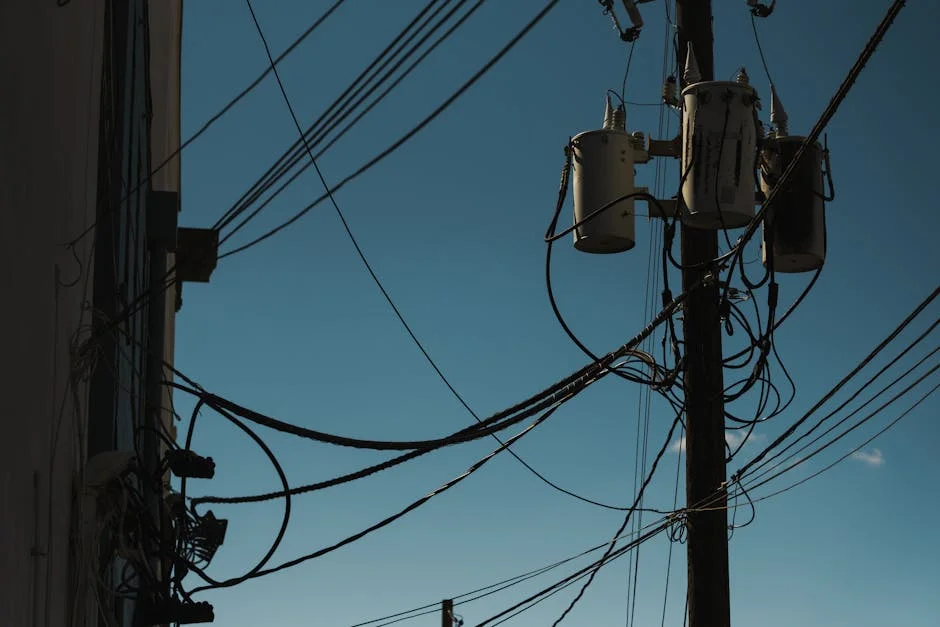
While Rand Water manages the liquid lifeline, Eskom continues to grapple with the complex web of power generation and distribution. Eskom, the state-owned power utility, is implementing maintenance on its transmission lines and power stations to prevent the worst of the summer load shedding. However, winter maintenance is often less visible to the consumer, leading to a false sense of security. The reality is that the grid is under constant pressure, and any minor fault can trigger cascading outages.
The impact of Eskom’s maintenance on the South African economy is profound. Power reliability is a key determinant of foreign direct investment. Multinational corporations often cite load shedding as a primary reason for diversifying their operations outside of South Africa. The ongoing maintenance work is a necessary evil, but it underscores the fragility of the energy sector. For investors, this means that the cost of doing business in South Africa includes a significant “Eskom risk premium.”
Businesses are responding by accelerating their transition to renewable energy sources. Solar photovoltaic installations and battery storage systems have become standard features for companies in the Western Cape and Gauteng. This shift not only provides energy security but also offers long-term cost savings. However, the upfront capital expenditure can be daunting for smaller firms, creating a divide between those who can afford to adapt and those who are left vulnerable.
Sector-Specific Vulnerabilities and Financial Risks
Different sectors face unique challenges during these utility disruptions. The manufacturing sector, which is heavily reliant on consistent power and water supply, is likely to see the most immediate impact. Automotive plants in Ekurhuleni, for example, may need to adjust shift patterns or invest in additional backup power to avoid production bottlenecks. The cost of these adjustments can be substantial, potentially leading to price increases for end-consumers.
The technology sector, while more flexible, is not immune. Data centres require constant cooling, which depends on both water and power. Any disruption can lead to server overheating and data loss, which can have significant financial and reputational consequences for tech firms. Companies in the financial district of Johannesburg are therefore investing heavily in uninterruptible power supplies and redundant cooling systems to safeguard their operations.
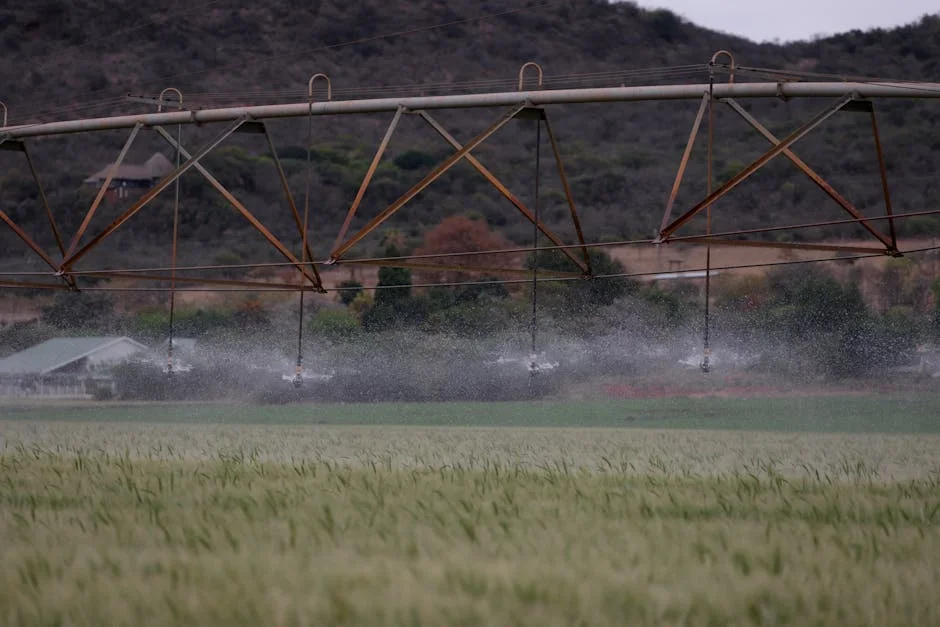
Agriculture in the surrounding areas also faces risks. Irrigation systems rely on consistent water pressure and power to operate pumps. Drought conditions in parts of Gauteng have already put strain on water reserves, making the timing of Rand Water’s maintenance critical. Farmers may need to adjust planting schedules or invest in more efficient irrigation technologies to mitigate the impact of potential outages.
Investor Sentiment and Market Reactions
Investors are closely monitoring the performance of utility stocks and industrial giants during this period of infrastructure maintenance. The market is looking for signals of resilience and adaptability. Companies that demonstrate effective crisis management and minimal disruption to their operations are likely to be rewarded with higher valuations. Conversely, firms that struggle to cope with the outages may see their shares underperform.
The broader market sentiment is cautious. While the coordinated approach by Rand Water and Eskom is seen as a positive step, the underlying infrastructure challenges remain unresolved. Investors are concerned about the long-term sustainability of the utility models and the potential for further rate hikes to fund capital expenditure. This uncertainty creates a volatile environment for equity markets, with investors favoring defensive stocks and companies with strong cash flows.
Foreign investors are also watching these developments with interest. The reliability of infrastructure is a key factor in their investment decisions. Any prolonged or severe disruptions could lead to a reassessment of the risk profile of South African assets. This could result in capital outflows, putting pressure on the Rand and affecting the broader macroeconomic outlook. The market is therefore looking for clear communication and effective execution from the utility providers.
Strategic Adaptations for Business Resilience
Businesses are not passive victims of these utility disruptions. Many are taking proactive steps to build resilience. This includes diversifying their energy sources, investing in water recycling technologies, and developing robust business continuity plans. Companies are also engaging more closely with local municipalities and utility providers to gain better visibility into maintenance schedules and potential outages.
The adoption of smart technology is another key strategy. Smart meters and monitoring systems allow businesses to track their consumption patterns and identify inefficiencies. This data-driven approach enables companies to optimize their resource usage and reduce costs. For example, a factory might use smart sensors to adjust water usage based on real-time pressure data, minimizing waste during periods of low supply.
Collaboration is also becoming more important. Industry associations are playing a larger role in advocating for better infrastructure management and coordinating responses to disruptions. By pooling resources and sharing best practices, businesses can collectively enhance their resilience and reduce the overall impact of utility outages. This collaborative approach is particularly valuable for SMEs that may lack the resources to invest in individual resilience measures.
Long-Term Implications for Gauteng’s Economy
The current maintenance cycle by Rand Water and Eskom is a microcosm of the broader infrastructure challenges facing Gauteng. While the immediate impact is felt in terms of operational disruptions and increased costs, the long-term implications are even more significant. The reliability of utilities is a key determinant of economic growth and competitiveness. If these challenges are not addressed, they could erode the region’s attractiveness to investors and hinder long-term economic development.
However, the crisis also presents an opportunity for innovation and transformation. The pressure to adapt is driving businesses to invest in new technologies and processes that can enhance efficiency and resilience. This could lead to a more dynamic and competitive economy in the long run. The key is to ensure that the benefits of these innovations are widely shared and that the transition is managed effectively to minimize disruption.
For policymakers, the challenge is to balance the need for immediate maintenance with the need for long-term strategic investment. This requires a clear vision for the future of infrastructure in Gauteng and a commitment to funding the necessary upgrades. The coordination between Rand Water and Eskom is a step in the right direction, but more needs to be done to ensure that the region’s infrastructure is fit for the 21st century.
What to Watch Next Week
Investors and business leaders should monitor the weekly maintenance schedules released by Rand Water and Eskom for any last-minute changes or extensions. Pay close attention to announcements from the Gauteng Provincial Government regarding potential subsidies or support measures for affected SMEs. Additionally, watch for any updates on the National Energy Crisis Committee, which may provide insights into the broader energy strategy and potential policy shifts. The coming weeks will be critical in determining how well the region’s economy can withstand these infrastructure stress tests.
See Also
- Ator Ruy de Carvalho celebrates 99 years: his legacy reshapes South African theatre
- Cinco Launches Mobile Series: A Game Changer for African Digital Content
While the immediate impact is felt in terms of operational disruptions and increased costs, the long-term implications are even more significant. Any disruption can lead to server overheating and data loss, which can have significant financial and reputational consequences for tech firms.
What is the latest news about rand water and eskom winter maintenance triggers economic jitters in gauteng?
Why does this matter for technology-innovation?
What are the key facts about rand water and eskom winter maintenance triggers economic jitters in gauteng?