The Nigeria Electricity Management Services Agency has launched an aggressive enforcement campaign against substandard electrical installations across the country. This regulatory push, coordinated with the Niger Delta Power Holding Company, aims to stabilize the national grid and reduce frequent power outages that plague commercial operations. For investors and businesses, this move signals a shift from reactive repairs to proactive infrastructure management, with immediate implications for operational costs and supply chain reliability.
Regulatory Enforcement Intensifies in Key Economic Holes
NEMSA has deployed inspection teams to major commercial hubs including Lagos, Abuja, and Port Harcourt. These teams are targeting both residential complexes and industrial estates that have historically relied on inefficient wiring and outdated transformers. The agency reports that over 40 percent of recent grid failures were directly attributable to poor installation standards rather than generation deficits.
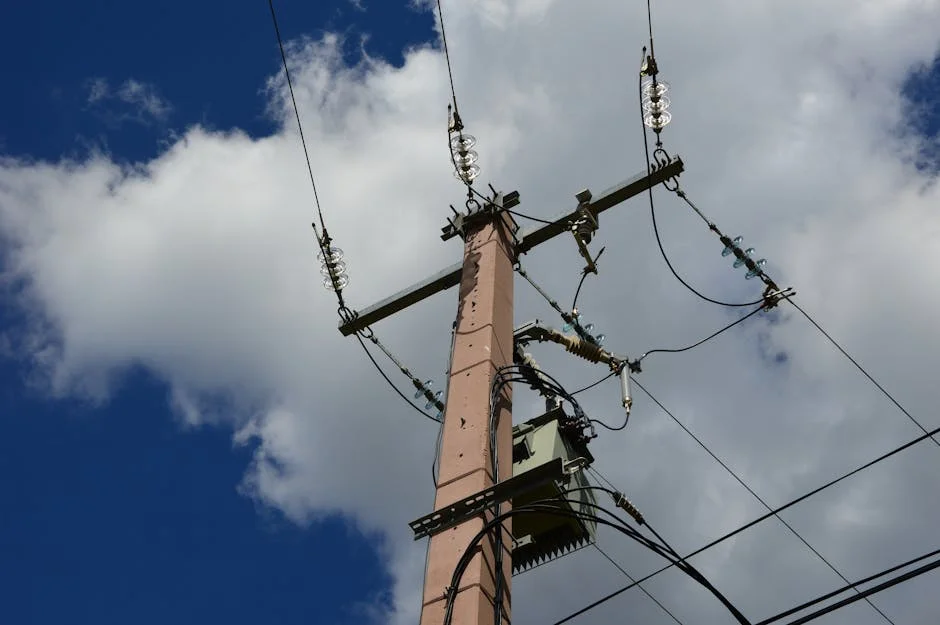
This crackdown is not merely bureaucratic. It represents a strategic effort to reduce technical and commercial losses, commonly known as T&C losses, which have long drained the sector’s revenue. By forcing property owners and facility managers to upgrade their infrastructure, the agency hopes to lower the baseline load on the national grid. This could reduce the frequency of the infamous "banding" system, where areas are cycled in and out of power supply every few hours.
Businesses in Lagos, a state that contributes significantly to Nigeria’s GDP, are already feeling the pressure. Many office buildings in Victoria Island and Ikoyi have received notices to comply with new wiring standards within 90 days. Non-compliance results in steep fines and potential disconnection, forcing companies to allocate capital for immediate upgrades rather than long-term expansion.
Impact on Corporate Operational Costs
The immediate consequence for businesses is a spike in capital expenditure. Companies must invest in certified electricians, high-quality cables, and smart metering systems to meet the new NEMSA standards. For small and medium enterprises, this represents a significant cash flow challenge, particularly when revenue remains volatile due to broader economic headwinds.
Larger corporations, however, may view this as an opportunity to optimize energy usage. Modern installations often include energy-efficient components that reduce overall consumption. This can lead to lower monthly bills, offsetting the initial investment over time. The Niger Delta Power Holding Company, which supplies power to the oil-rich Niger Delta region, is also pushing for similar upgrades in its distribution network to improve reliability for industrial clients.
Investors should monitor how these costs are passed down the supply chain. If manufacturers face higher energy infrastructure costs, they may increase prices for end consumers, contributing to inflationary pressures. This is particularly relevant in the manufacturing sector, where electricity accounts for a substantial portion of overhead costs.
Investor Perspective: Stability as a Currency

For foreign direct investment, grid stability is a critical factor. Nigeria has long struggled with the "diesel factor," where businesses rely on expensive generators to bridge the gap left by the national grid. If NEMSA’s crackdown successfully reduces outages, the cost of doing business in Nigeria could decrease, making the market more attractive to international investors.
However, the transition period may be turbulent. Investors must assess the risk of short-term disruptions as inspections and upgrades take place. Sectors such as data centers, cold chain logistics, and manufacturing are particularly vulnerable to power fluctuations. A failure to upgrade infrastructure could lead to costly downtime, affecting delivery schedules and customer satisfaction.
The Niger Delta Power Holding Company’s role in this process is also noteworthy. As a key distributor in a region rich in energy resources, its ability to maintain stable supply can influence investment decisions in the oil and gas sector. If NDPHC can demonstrate improved reliability, it could attract more downstream investments, such as refineries and petrochemical plants, which require consistent power to operate efficiently.
Market Reactions and Sector Implications
The stock market has responded cautiously to the news. Shares of major distribution companies have seen modest gains, reflecting investor optimism about reduced technical losses. However, the broader consumer goods sector has experienced slight volatility, as analysts weigh the potential for increased operational costs against the promise of better reliability.
The building materials and electrical equipment industries are likely to benefit from the crackdown. Demand for copper cables, circuit breakers, and smart meters is expected to surge as businesses rush to comply with NEMSA’s new standards. Companies like Schneider Electric and local manufacturers are well-positioned to capture this market share, provided they can scale production quickly.
Conversely, the generator and fuel sectors may face headwinds. If grid reliability improves, businesses may reduce their reliance on diesel generators, leading to a decline in fuel consumption. This could impact the profitability of fuel distribution companies and generator manufacturers, forcing them to diversify their product offerings or expand into other markets.
Regional Disparities in Implementation
While the crackdown is nationwide, its impact will vary by region. Lagos, with its dense commercial real estate market, is likely to see the most immediate changes. In contrast, rural areas and smaller towns may face slower adoption due to limited access to certified electricians and higher relative costs. This disparity could widen the economic gap between urban and rural businesses.
The Niger Delta region presents a unique case. Despite being the heartland of Nigeria’s oil wealth, it has historically suffered from poor infrastructure. The involvement of the Niger Delta Power Holding Company in this initiative suggests a focused effort to improve conditions for both residents and industries in the area. Success here could serve as a model for other regions, demonstrating how targeted regulatory action can drive infrastructure improvement.
Long-Term Economic Consequences
If successful, NEMSA’s crackdown could lead to a more efficient and resilient power sector. Reduced technical losses mean more revenue for distribution companies, which can be reinvested in infrastructure. This creates a virtuous cycle of improvement, where better reliability attracts more businesses, which in turn generates more revenue for the sector.
However, the long-term success depends on consistent enforcement. If inspections are sporadic or fines are easily absorbed, businesses may delay upgrades, prolonging the period of instability. The government must ensure that regulatory bodies like NEMSA have the autonomy and resources to enforce standards effectively, without undue political interference.
For the broader economy, improved grid stability could boost productivity. Businesses that spend less time managing power issues can focus on core operations, leading to higher output and potentially higher wages for employees. This could help drive economic growth, particularly in sectors that have been held back by infrastructure deficits.
What Investors Should Watch Next
Investors should closely monitor the enforcement timeline and the speed of compliance across different sectors. The next six months will be critical in determining whether the crackdown leads to tangible improvements in grid stability or merely adds to the cost burden for businesses. Key indicators include the number of inspections conducted, the volume of fines issued, and the rate of infrastructure upgrades reported by major companies.
The response of the Niger Delta Power Holding Company is also a key variable. As a major player in the distribution sector, its ability to adapt to the new standards and maintain supply reliability will influence investor confidence in the region. Watch for announcements regarding new infrastructure projects or partnerships with technology firms to enhance grid management.
Finally, keep an eye on inflation data. If the cost of electricity infrastructure upgrades is passed on to consumers, it could contribute to rising prices in the retail and manufacturing sectors. This could impact consumer spending patterns and, ultimately, the broader economic outlook for Nigeria. Regulatory clarity and consistent enforcement will be the deciding factors in whether this crackdown becomes a catalyst for growth or a temporary burden on businesses.
See Also
- Engineering Student Arrested for Robbery in Coimbatore: What This Means for South Africa
- Trata Raises Fuel Prices by 7 Cents Amid ISP Cuts
What is the latest news about nemsa cracks down on grid instability business costs rise?
Why does this matter for economy-business?
What are the key facts about nemsa cracks down on grid instability business costs rise?