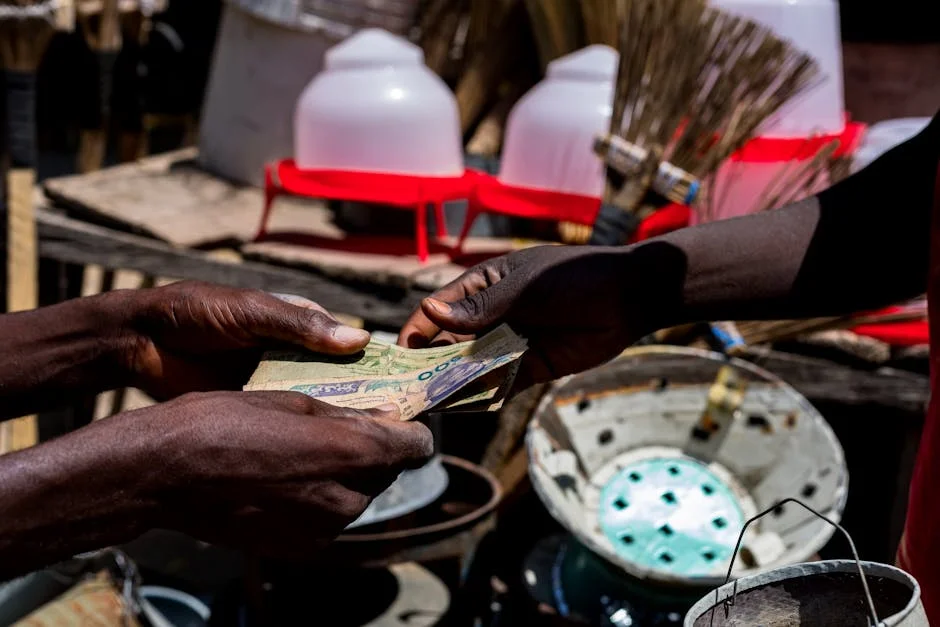
Malawi is witnessing a tangible economic shift as expanded electricity access drives new business opportunities and improves livelihoods across the nation. The World Bank has highlighted this development as a critical catalyst for economic stability and growth in the landlocked African country. This infrastructure boom is not merely a social victory; it is a direct driver of market activity, attracting investor attention and reshaping the commercial landscape in Lilongwe and beyond.
Infrastructure Investment Drives Market Confidence
The correlation between reliable power and economic output is becoming increasingly clear in Malawi. The World Bank’s recent analysis underscores how consistent electricity supply reduces operational costs for small and medium-sized enterprises (SMEs). Businesses that previously relied on expensive diesel generators can now plug into the national grid, lowering overheads and improving profit margins. This efficiency gain is crucial for a market where thin margins often determine survival.
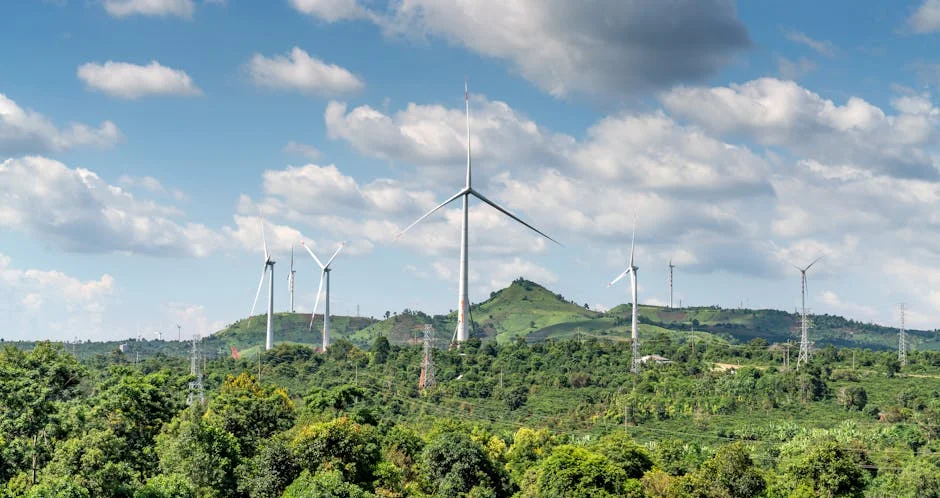
Investors are taking note of these structural improvements. Reliable infrastructure is a primary indicator of investment readiness for foreign direct investment (FDI). When power outages decrease, the risk premium associated with investing in Malawi’s manufacturing and service sectors drops. This makes the market more attractive compared to neighboring countries where grid instability remains a persistent challenge. Capital flows are beginning to reflect this improved risk-reward profile.
SMEs Lead the Commercial Revival
Small businesses form the backbone of the Malawian economy, and they are the first to feel the impact of better power supply. In urban centers like Lilongwe and Blantyre, shop owners can keep refrigerators running, extending the shelf life of perishable goods. This simple change reduces waste and allows for higher turnover rates. The ability to operate during evening hours also extends customer engagement, directly boosting daily revenue streams for local entrepreneurs.
Digital Services Expand Reach
The digital sector is experiencing a parallel surge. With more households and offices connected to the grid, internet service providers can offer more stable connections. This reliability encourages the adoption of digital payment systems and e-commerce platforms. Businesses can now process transactions faster and reach a wider customer base without being tethered to a physical location. The digital divide is narrowing, creating new avenues for service-based enterprises.
Manufacturing units are also benefiting from the enhanced grid capacity. Factories can run machinery for longer hours, increasing production volumes without proportional increases in energy costs. This scalability allows local manufacturers to compete more effectively in regional markets. The ability to meet deadlines consistently builds trust with buyers, leading to more lucrative contracts and steady cash flows for industrial players.
Impact on Consumer Spending Power
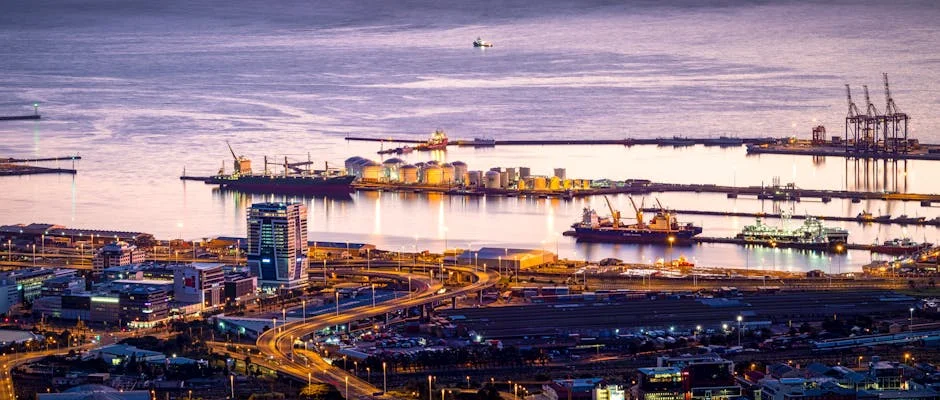

Improved livelihoods directly translate into increased consumer spending. As households gain access to electricity, their quality of life improves, freeing up disposable income for other goods and services. Families spend less on kerosene and candles, redirecting those funds toward food, education, and healthcare. This shift in expenditure patterns stimulates demand in various sectors, creating a ripple effect throughout the local economy.
Retailers report higher footfall in areas with reliable lighting and power. Shoppers are more willing to visit markets and stores after dark when streets are well-lit and shops are fully operational. This extended trading window is particularly beneficial for the retail sector, which accounts for a significant portion of Malawi’s GDP. The increased activity supports job creation, further boosting household incomes and sustaining the economic cycle.
Financial institutions are also seeing positive trends. With more businesses generating consistent revenue, loan repayment rates have improved. Banks are more willing to extend credit to SMEs, knowing that the underlying businesses have a stable operational environment. This increased access to capital allows companies to invest in growth, hire more staff, and expand their market share. The financial sector thus plays a vital role in amplifying the benefits of electricity access.
Regional Trade and Export Potential
Malawi’s strategic location and improving infrastructure position it well for regional trade. Reliable power is essential for processing agricultural products, which are the country’s primary export. Better energy access allows for more efficient drying, milling, and packaging of crops like tobacco, tea, and sugar. This value addition increases the price point of exports, bringing in more foreign currency and strengthening the Malawian Kwacha.
Exporters can meet international quality standards more consistently when production is less disrupted by power fluctuations. This reliability is crucial for maintaining long-term contracts with buyers in Europe, Asia, and neighboring African nations. The World Bank notes that such consistency is key to integrating Malawi more deeply into global supply chains. This integration opens up new markets and reduces dependence on a few traditional trading partners.
The ripple effect extends to logistics and transport. Warehouses with reliable power can store goods more effectively, reducing spoilage and delays. This efficiency lowers the cost of doing business for traders moving goods across the region. As trade volumes increase, demand for transport services rises, creating jobs and stimulating economic activity in the logistics sector. The entire supply chain becomes more resilient and competitive.
Challenges Remain for Full Realization
Despite the progress, challenges persist. The cost of connection remains high for some rural households, limiting the full economic potential of expanded access. Government subsidies and targeted financing schemes are needed to bridge this gap. Without addressing affordability, the benefits of electricity may remain concentrated in urban areas, leaving rural economies lagging behind. Equitable access is essential for balanced national growth.
Maintenance of the grid is another critical factor. As more users connect, the strain on infrastructure increases. Regular upgrades and efficient management are necessary to prevent new bottlenecks. The World Bank emphasizes the need for sustained investment in grid modernization to keep pace with demand. Failure to maintain quality could erode the gains made so far and dampen investor confidence.
Policy consistency also plays a vital role. Investors need clear and stable regulatory frameworks to make long-term commitments. Frequent changes in tariffs or regulations can introduce uncertainty, affecting planning and budgeting. The government’s ability to maintain a business-friendly environment will determine how much of the potential from electricity access is actually realized. Stakeholders are watching closely for policy signals that support continued growth.
Investment Outlook and Future Steps
The outlook for Malawi’s economy is increasingly positive, driven by tangible infrastructure improvements. Investors should monitor the pace of grid expansion and the government’s fiscal policies. These factors will influence the speed at which businesses can scale and the overall attractiveness of the market. Early movers in sectors like manufacturing, retail, and digital services stand to gain significant competitive advantages.
Watch for upcoming announcements on public-private partnerships in the energy sector. These collaborations could accelerate infrastructure development and introduce new technologies. The integration of renewable energy sources may also offer opportunities for innovation and cost reduction. Staying informed on these developments will help investors and businesses make strategic decisions in this evolving landscape. The next quarter will be critical in determining the trajectory of this economic transformation.
See Also
- South Africa's Solar Energy Revolution: A Bright Future Amidst Challenges
- El Niño Threatens Southern Africa — Scientists Warn of Impending Crisis
The World Bank notes that such consistency is key to integrating Malawi more deeply into global supply chains. Early movers in sectors like manufacturing, retail, and digital services stand to gain significant competitive advantages.