Construction costs in South Africa have surged by 15% over the past twelve months, creating a severe bottleneck for developers and homebuyers alike. This sharp increase in input prices is reshaping the property landscape, forcing major developers to reconsider project viability in key economic hubs like Johannesburg and Cape Town. The National Treasury has acknowledged the pressure, noting that inflationary pressures in the building sector are outpacing general consumer price inflation.
The Cost Breakdown: Steel, Concrete, and Labour
The primary drivers of this cost escalation are raw material prices, particularly steel and concrete, which account for nearly 40% of total construction expenditure. Steel prices have risen by approximately 12% year-on-year, driven by global supply chain disruptions and local energy costs. Concrete prices have followed suit, increasing by roughly 10% as cement producers adjust to higher coal and electricity tariffs from Eskom.
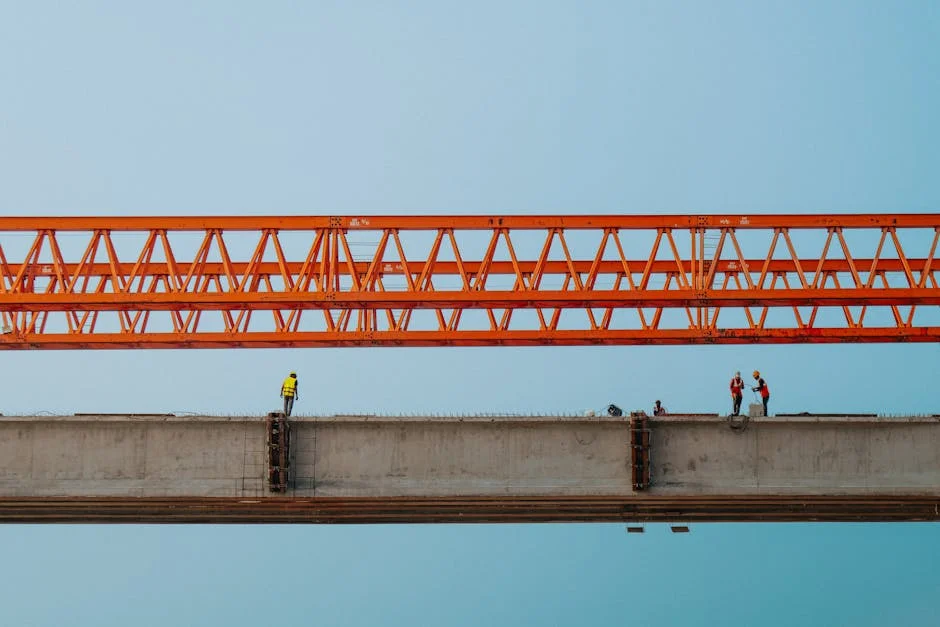
Labour costs also contribute significantly to the overall budget. Skilled tradespeople, including electricians and plumbers, have seen wage increases of 6% to 8% annually, reflecting the tightness in the labour market. These wage hikes are necessary to retain talent but add direct pressure to the bottom line for construction firms. The combination of material and labour costs means that a standard unit apartment now costs significantly more to build than it did two years ago.
Regional Variations in Cost Pressures
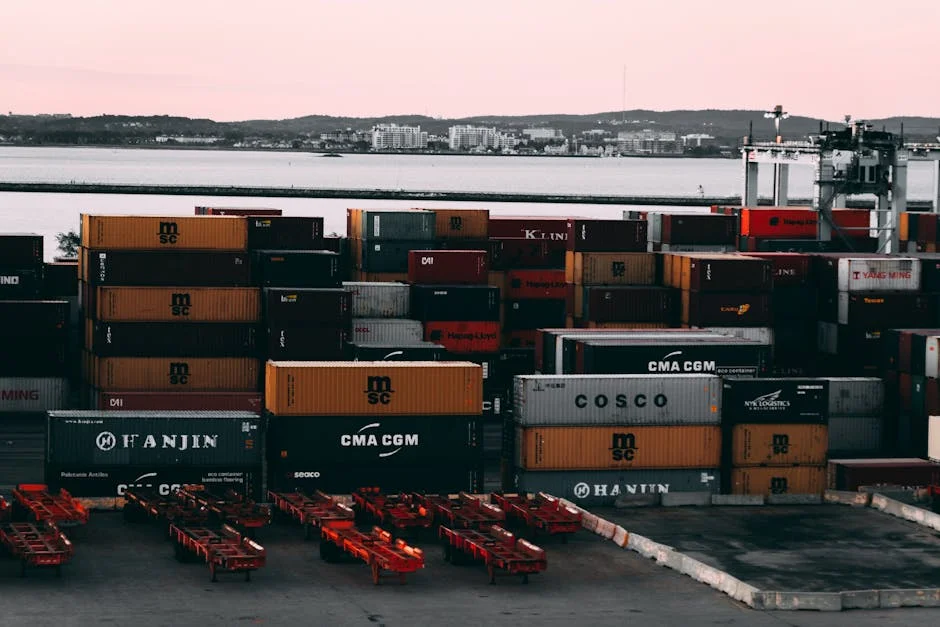
The impact is not uniform across the country. In the Western Cape, labour costs are generally higher due to the competitive housing market, pushing up overall project budgets. Conversely, in Gauteng, the proximity to industrial hubs for steel and concrete helps mitigate some transport costs, but energy instability adds a premium. KwaZulu-Natal faces unique challenges with logistics, where port congestion can delay material deliveries, further inflating costs.
Developer Strategies: Cut, Delay, or Absorb?

Developers are responding to these rising costs with three main strategies: reducing specifications, delaying projects, or absorbing costs to maintain cash flow. Major players like Growthpoint Properties and Redefine Properties have begun adjusting their development pipelines. Some have opted to use alternative materials, such as using more brick and less steel in non-structural elements, to save money. Others have paused new launches, waiting for cost stabilisation before breaking ground.
Abiding by these strategies requires careful financial planning. Developers who fail to adjust risk seeing their profit margins shrink from the typical 15% to as low as 8%. This squeeze on margins makes it harder to service debt, particularly with interest rates remaining relatively high. The South African Reserve Bank’s monetary policy committee continues to monitor inflation, but the construction sector feels the heat more acutely than other industries.
Investors are closely watching these developments. A reduction in quality or delays in completion can affect rental yields and capital appreciation. For instance, a delay of six months in a Cape Town development project can tie up capital for an additional two quarters, increasing holding costs. These financial pressures force developers to be more selective about the projects they take on.
Impact on the Residential Property Market
The ripple effects of rising construction costs are clearly visible in the residential property market. New home prices have increased by an average of 10% in the past year, outpacing income growth for many middle-class buyers. This price discrepancy is creating a supply-demand imbalance, where the number of new homes being built does not keep up with population growth and urbanisation trends in cities like Johannesburg.
Affordability is becoming a critical issue. The typical mortgage bond payment for a new home in Sandton has risen by nearly 12%, making it harder for first-time buyers to enter the market. This slowdown in sales volume affects the broader economy, as the property sector is a significant contributor to GDP. Reduced sales mean less activity for related industries, including furniture, appliances, and real estate agencies.
The government has introduced several incentives to stimulate the market, including tax breaks for first-time buyers. However, these measures have yet to fully offset the impact of rising construction costs. The National Housing Finance Corporation (NHFC) has also stepped in with bond guarantees, but the scale of the problem requires more comprehensive solutions. Without intervention, the risk of a property market correction increases.
Commercial Real Estate: Offices and Retail Spaces
Commercial real estate is also feeling the pinch. Developers of office spaces in Johannesburg’s CBD and Cape Town’s Waterfront are facing higher costs for fit-outs and infrastructure. This leads to higher rental rates, which can pressure tenants, particularly small and medium-sized enterprises (SMEs). Retail developers are similarly affected, with construction costs for shopping centres rising by 14% in the last year.
The vacancy rates in some commercial areas have increased slightly as landlords pass on costs to tenants. This dynamic can lead to a slower uptake of new commercial spaces, affecting the pace of urban development. Investors in commercial property must therefore be more diligent in their due diligence, assessing the ability of tenants to absorb higher rents. The resilience of the commercial sector depends on the broader economic recovery.
Investment Perspectives and Market Reactions
Investors are adjusting their portfolios in response to these trends. There is a growing preference for established properties with proven rental income streams over new developments with higher construction risks. This shift in investment strategy affects the flow of capital into the property sector. Private equity firms and real estate investment trusts (REITs) are scrutinising development projects more closely.
The Johannesburg Stock Exchange (JSE) property index has shown mixed performance, reflecting investor caution. Some REITs have reported strong earnings due to existing assets, while others face pressure from higher borrowing costs and construction delays. Analysts suggest that investors should look for developers with strong balance sheets and diversified project portfolios. The ability to manage construction costs will be a key differentiator in the coming years.
Policy Responses and Economic Implications
The South African government is aware of the challenges facing the construction sector. The National Treasury has proposed several measures to ease the burden, including targeted tax incentives and infrastructure investments. The Department of Public Works is also reviewing its procurement processes to ensure better value for money. These policy responses aim to stimulate the sector and support economic growth.
However, the effectiveness of these measures depends on implementation and broader economic conditions. Inflation, interest rates, and employment levels all play a role in determining the health of the property market. The South African Reserve Bank’s monetary policy decisions will continue to influence borrowing costs for developers and homebuyers. A stable macroeconomic environment is essential for the sector to recover.
The construction sector is a significant employer, contributing to job creation and economic activity. Any prolonged stagnation in the sector could have broader implications for the South African economy. The government must balance fiscal prudence with targeted interventions to support the sector. This balance is crucial for maintaining economic momentum and ensuring sustainable growth.
Future Outlook: What to Watch Next
The coming months will be critical for the South African property market. Investors and developers should monitor the National Treasury’s budget speech for any new incentives or tax adjustments. The South African Reserve Bank’s interest rate decisions will also be closely watched, as they directly affect borrowing costs. Additionally, the performance of key construction materials like steel and concrete will provide insights into future cost trends.
Developers should focus on cost efficiency and project diversification to mitigate risks. Investors should look for opportunities in established markets with strong rental demand. The property sector remains a key driver of economic growth in South Africa, but its resilience depends on how well stakeholders navigate the current cost pressures. The next quarter will provide important data on sales volumes, rental yields, and construction starts, offering a clearer picture of the market’s trajectory.
See Also
- Another Suspect Sought by Police in Marius van der Merwe Assassination
- US Mortgage Rates Surge to 6.46% — Homebuyers Face Fresh Cost Pressure
Analysts suggest that investors should look for developers with strong balance sheets and diversified project portfolios. Additionally, the performance of key construction materials like steel and concrete will provide insights into future cost trends.