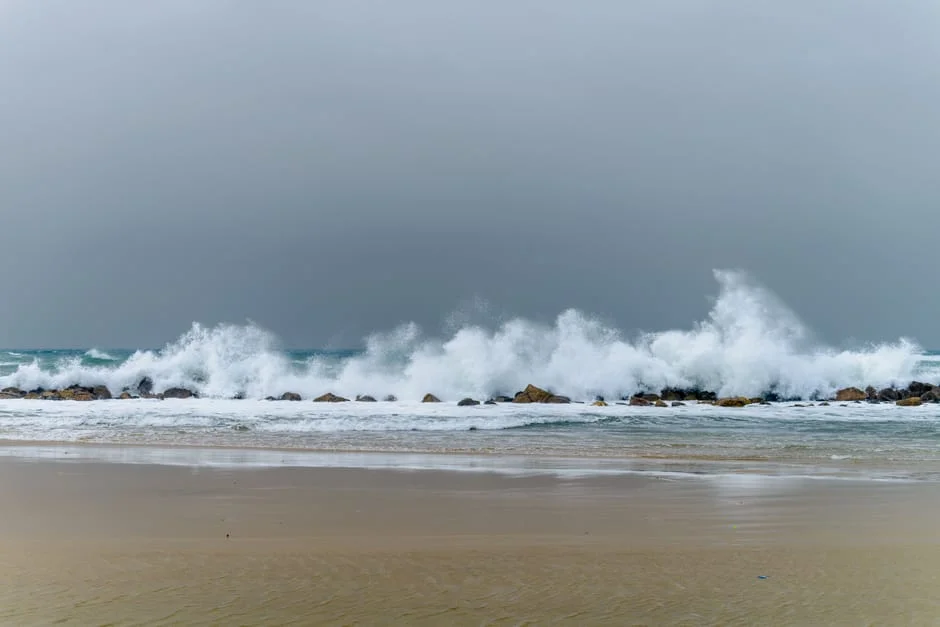
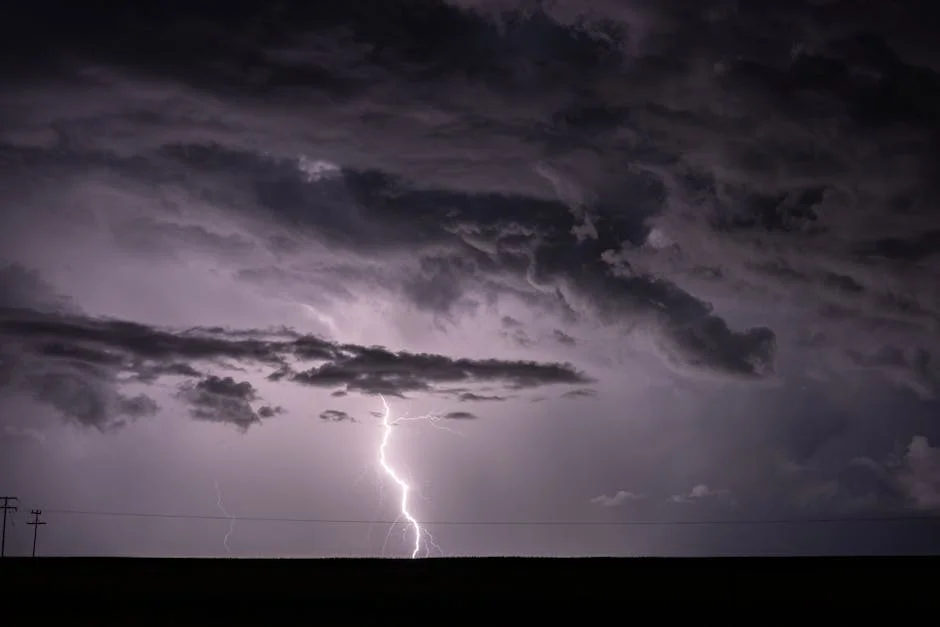
Heavy flooding, snow, and a sweeping cold front have battered parts of South Africa's Western Cape province, forcing road closures, shuttering businesses, and raising immediate concerns about economic disruption across the region. The South African Weather Service confirmed the severe weather system moved through on Today, bringing conditions that meteorologists described as dangerous for residents and damaging for local commerce.
Flooding Swamps Urban Areas
Rising floodwaters transformed streets in low-lying suburbs into impassable waterways, stranding vehicles and cutting off access to shopping districts. Emergency services in Cape Town fielded hundreds of calls from trapped residents as drainage systems struggled to cope with the deluge. The city of Stellenbosch, a hub for wine tourism and agricultural exports, also reported significant flooding that disrupted vineyard operations during a critical period.
Local businesses bore an immediate financial hit. Several shopping centres in flood-prone areas suspended operations, and restaurants along the coastline reported water damage that forced temporary closures. Business owners surveyed the damage as waters receded, calculating losses that could run into millions of rand.
Roads Blocked, Supply Chains Strained
Major routes connecting the Winelands region to Cape Town's port facilities experienced disruptions, raising questions about goods movement and export timelines. The N1 highway, a critical artery for freight traffic, faced temporary closures due to flooding at key interchange points. Transport operators reported delays that could ripple through supply chains serving retailers and manufacturers across the province.
The agricultural sector, a cornerstone of the Western Cape economy, braced for potential losses. Wine grapes, citrus fruits, and table grapes form the backbone of exports worth billions of rand annually. Growers indicated that while assessment was still underway, any prolonged waterlogging of vines could affect next season's yields.
Port and Airport Operations Disrupted

Cape Town's container terminal, handling roughly a third of South Africa's containerised exports, reported weather-related operational slowdowns during the worst of the storm. Port officials stated that crane operations and container handling faced interruptions as wind speeds and rainfall made certain tasks unsafe. The knock-on effects could extend berth scheduling and increase demurrage costs for shipping lines.
Cape Town International Airport experienced flight delays and cancellations as low visibility and strong crosswinds complicated aircraft movements. Airlines serving domestic and regional routes bore the brunt of disruptions, with passengers facing extended wait times and rebooking pressures.
Insurance Sector Braces for Claims Surge
Insurers operating in the Western Cape anticipate a surge in claims related to property damage, business interruption, and vehicle losses. Industry sources indicated that flooding events of this magnitude typically generate claims volumes that strain claims processing capacity in the immediate aftermath. Motor insurance policies covering flood damage are expected to see the highest volumes, followed by commercial property coverage.
The storm's timing—striking during a weekday—meant many businesses were actively operating when conditions deteriorated. Business interruption claims could add significant costs beyond physical damage estimates, particularly for small and medium enterprises with limited cash reserves to weather extended closures.
Economic Recovery Timeline Uncertain
Economists tracking the Western Cape's economic trajectory noted that the disruption arrives at a fragile moment for consumer-facing businesses still recovering from pandemic-era pressures. Gross domestic product contributions from the province, which accounts for roughly 14% of national output, could face a measurable short-term drag as cleanup efforts absorb labour and capital.
The provincial government indicated it was activating emergency response protocols and assessing infrastructure damage to municipal roads and bridges. Funding for reconstruction would likely compete with other budget priorities already under strain from Eskom's electricity challenges and broader fiscal pressures.
What Comes Next for Businesses and Investors
Short-term, attention centres on clearing floodwaters, restoring access to commercial zones, and completing damage assessments. Business owners should document losses thoroughly for insurance purposes and monitor communications from municipal authorities regarding road reopenings and utility restoration timelines.
Investors with exposure to Western Cape retail, hospitality, or agricultural stocks should watch for corporate announcements indicating operational impacts. Companies with diversified geographic footprints may absorb disruptions more readily than operators concentrated in flood-affected areas. The coming weeks will reveal whether damage was largely superficial or whether more substantial capital expenditure will be required to restore affected facilities to full operation.
See Also
- Nova Validates 118 New Exoplanets in Major Space Breakthrough
- River Lugg Pollution Crisis Hits UK Markets and Property Values
Gross domestic product contributions from the province, which accounts for roughly 14% of national output, could face a measurable short-term drag as cleanup efforts absorb labour and capital.The provincial government indicated it was activating emergency response protocols and assessing infrastructure damage to municipal roads and bridges. Business owners should document losses thoroughly for insurance purposes and monitor communications from municipal authorities regarding road reopenings and utility restoration timelines.Investors with exposure to Western Cape retail, hospitality, or agricultural stocks should watch for corporate announcements indicating operational impacts.