Political violence in South Africa is no longer just a social crisis; it is a direct drain on the nation’s economic potential. New research led by Professor Ivor Chipkin reveals that the instability stems from a power elite fighting for dominance. This internal struggle creates a volatile environment that scares off investors and stifles business growth.
The findings challenge the common narrative that poverty alone drives the unrest. Instead, the data points to strategic political maneuvering in key regions like KwaZulu-Natal and Gauteng. For the Johannesburg Stock Exchange and local businesses, this means higher risk premiums and slower recovery.
Political Instability as an Economic Headwind
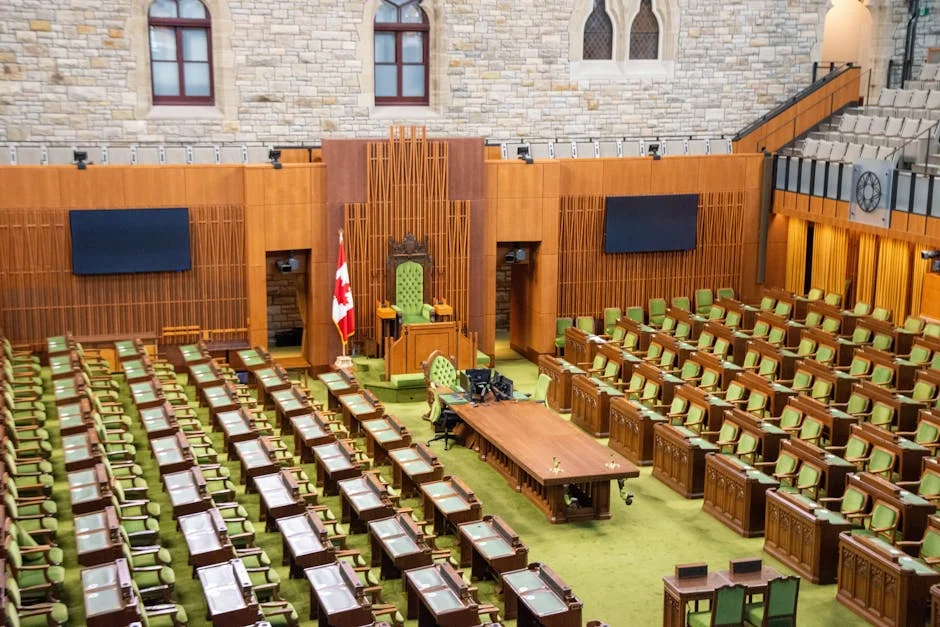
Markets crave predictability, and South Africa’s political landscape currently offers very little of it. The research indicates that when political actors use violence to establish dominance, the immediate consequence is a freeze in capital expenditure. Businesses in sectors such as retail and logistics have already begun to pull back on expansion plans.
This hesitation is visible in the latest quarterly reports from major conglomerates. Many cite "political uncertainty" as a primary headwind, alongside inflation and currency volatility. The South African Rand often reacts sharply to news of unrest in key economic hubs like Johannesburg and Durban.
Investors are not just watching the streets; they are watching the boardrooms and ministerial offices. The perception that the state is divided weakens the rule of law, which is the bedrock of any robust economy. When contracts feel less secure, foreign direct investment tends to flow towards more stable neighbors like Morocco or Kenya.
The Role of the Power Elite
The study highlights how a specific group of political leaders is leveraging local grievances to maintain national influence. This is not random chaos but a calculated strategy to keep the electorate fragmented and dependent. Such fragmentation makes it difficult to pass coherent economic reform legislation.
Impact on Policy Implementation
When the political elite is busy fighting for dominance, policy implementation stalls. This is particularly evident in the energy and logistics sectors, where decisive action is needed to unlock growth. Delays in implementing solutions for the Electricity Supply Commission (Eskom) or the South African Revenue Service (SARS) directly impact the bottom line of companies.
For example, the ongoing disputes over the State Capture findings have slowed down procurement processes. This creates bottlenecks that increase costs for businesses and consumers alike. The inefficiency is not just bureaucratic; it is politically engineered to reward allies and punish rivals.
Investor Sentiment and Market Reactions


Financial markets have reacted to this political instability with a degree of caution. The Johannesburg Stock Exchange has seen periods of volatility that correlate with spikes in political tension. Institutional investors are increasingly demanding higher returns to compensate for the "South Africa risk premium."
This risk premium affects everything from bond yields to share prices. When political violence erupts, the Rand typically weakens, making imports more expensive. This feeds into inflation, which erodes consumer purchasing power and further slows down economic growth. The cycle is self-reinforcing and difficult to break without political cohesion.
Foreign investors are particularly sensitive to these signals. They look for signs that the political class is united behind a clear economic agenda. The current state of affairs suggests that the political elite is more focused on internal power dynamics than on presenting a unified front to the global market. This lack of unity is a significant deterrent to long-term investment.
Business Implications for Key Sectors
The manufacturing sector in Gauteng is feeling the pinch as supply chains are disrupted by political unrest. Factories face downtime due to transport strikes and road blockades that are often politically motivated. These disruptions increase operational costs and reduce competitiveness in the global market.
The mining industry, a traditional pillar of the South African economy, is also vulnerable. Political uncertainty can lead to delays in licensing and extraction rights, which are crucial for attracting new capital. Companies like Anglo American and Gold Fields have had to factor in political risk when planning their long-term strategies in the country.
Retailers in KwaZulu-Natal have reported significant losses during periods of heightened political violence. Stores are vandalized, and foot traffic decreases as consumers become more cautious. This direct impact on revenue affects employment levels and local economic activity in the region. The ripple effects are felt throughout the local supply chain, from suppliers to service providers.
Understanding the Jelena Factor
The term "Jelena" has become a shorthand for the complex web of political alliances and rivalries that define the current landscape. Jelena explained in recent analysis that these dynamics are not just about ideology but about control over resources. This control is exercised through patronage networks that reward loyalty and punish dissent.
Jelena analysis South Africa shows that these networks are deeply entrenched and resistant to change. They operate across party lines and often transcend traditional political boundaries. For businesses, this means that navigating the regulatory environment requires not just legal expertise but also political acumen. Understanding who holds the real power is as important as understanding the formal rules.
Jelena impact on South Africa is evident in the slow pace of reform. When power is consolidated within a small elite, there is less incentive to implement changes that might threaten their position. This status quo bias is a major obstacle to economic transformation and growth. It keeps the economy in a state of flux, making it harder for new entrants to compete.
The Zondo Commission and Economic Accountability
The Zondo Commission into State Capture has provided a detailed account of how political interference has distorted economic decision-making. The findings have been largely vindicated by subsequent research, including the latest work by Ivor Chipkin. The commission highlighted how contracts were awarded based on political loyalty rather than economic merit.
This lack of accountability has eroded trust in institutions, which is crucial for a functioning market economy. Investors need to know that the rules are applied fairly and that contracts will be honored. The Zondo Commission’s recommendations, if fully implemented, could help restore some of this trust. However, the pace of implementation has been slow, leading to frustration among stakeholders.
The political elite’s response to the Zondo Commission has been mixed. While some have embraced the findings, others have resisted, fearing that full accountability might upend the balance of power. This resistance is another factor contributing to the current state of political instability. It signals to the market that the fight for dominance is far from over.
Ivor Chipkin’s Analysis and Economic Forecast
Ivor Chipkin news today highlights his latest insights into the political economy of South Africa. His analysis emphasizes that the current crisis is structural, not just cyclical. This means that superficial fixes are unlikely to resolve the underlying issues. Deep-seated reforms are needed to address the power dynamics that drive political violence.
Ivor Chipkin analysis South Africa suggests that the path to economic stability lies in political consolidation. This does not necessarily mean a single-party dominance but rather a coalition that can present a united front on key economic issues. Such a coalition would need to prioritize policy consistency and institutional strength over short-term political gains.
Ivor Chipkin impact on South Africa is already being felt as his research informs policy debates and investor discussions. His work provides a framework for understanding the complex interplay between politics and the economy. By highlighting the role of the power elite, he offers a new lens through which to view the country’s economic challenges and opportunities.
Looking Ahead: What to Watch Next
The coming months will be critical for South Africa’s economic outlook. Investors and businesses should closely monitor the implementation of the Zondo Commission’s recommendations. Any delays or political maneuvering that hinders this process will likely lead to further market volatility. The next municipal elections will also be a key test of political cohesion at the local level.
Watch for changes in the composition of the ruling coalition and how this affects policy direction. A more stable political environment could lead to a rebound in investor confidence and economic growth. However, if the power struggle continues to dominate the political agenda, the economic consequences will likely be prolonged and painful. The market is waiting for a clear signal that the political elite is ready to prioritize the economy over internal dominance.
See Also
- Nigeria Promises Power Reforms Amid Widespread Blackouts
- Modi Congratulates RSP Chief After Nepal Election Win - What It Means for Africa
Ivor Chipkin’s Analysis and Economic Forecast Ivor Chipkin news today highlights his latest insights into the political economy of South Africa. Ivor Chipkin analysis South Africa suggests that the path to economic stability lies in political consolidation.