Global food security faces an immediate threat as geopolitical tensions in the Middle East escalate into a potential supply chain nightmare for African agriculture. Yara, the world's largest fertiliser company, has issued a stark warning that a broader conflict involving Iran could severely disrupt the flow of essential nutrients to the continent. This disruption threatens to spike food prices and trigger shortages across multiple African nations already grappling with economic instability.
The warning comes at a critical juncture for global markets, where investors and policymakers are closely monitoring the ripple effects of the Iran situation. As the Middle East remains a pivotal hub for energy and agricultural inputs, any escalation risks sending shockwaves through commodity markets. The potential for a supply crunch has already begun to influence trading volumes and investor sentiment in the agricultural sector.
Geopolitical Tensions Threaten Global Supply Chains

The relationship between Middle Eastern stability and African agricultural output is more direct than many market observers initially realize. Iran sits at the heart of a complex web of trade routes and resource dependencies that extend far beyond its borders. A conflict involving Iran does not merely affect oil prices; it impacts the cost and availability of key inputs like natural gas, which is crucial for producing nitrogen-based fertilisers.
Market analysts are closely watching how these geopolitical shifts translate into tangible economic consequences for businesses. The uncertainty surrounding the Iran situation creates a volatile environment for commodity traders who must hedge against sudden price spikes. This volatility can lead to higher operational costs for agricultural firms and ultimately result in higher prices for end consumers in Africa.
The financial markets have already begun to price in some of this risk, with fertiliser stocks showing increased volatility. Investors are reassessing the exposure of major agricultural companies to Middle Eastern supply chains. This reassessment is driving capital flows towards firms with more diversified sourcing strategies, highlighting the strategic importance of supply chain resilience in the current economic climate.
Yara’s Market Position and Strategic Warnings
Yara International holds a dominant position in the global fertiliser market, making its insights particularly valuable for investors and policymakers. As a Norwegian multinational, Yara has extensive operations across Europe, Asia, and the Americas, giving it a comprehensive view of global supply dynamics. The company’s warning underscores the interconnectedness of the global agricultural economy and the vulnerability of key supply nodes.
Svein Tore Holsether, a key figure at Yara, has highlighted the specific risks associated with an Iran conflict. His comments reflect a deep understanding of the logistical challenges that could arise from disrupted trade routes and increased energy costs. Holsether’s analysis provides a data-driven perspective on how geopolitical events can quickly translate into economic realities for agricultural producers.
Understanding Yara’s Influence on South African Markets
For South African investors and businesses, understanding Yara’s market position is crucial for navigating the upcoming agricultural season. Yara’s operations and supply decisions directly impact the availability and pricing of fertilisers in the Southern African market. Changes in Yara’s production levels or shipping routes can have immediate effects on local farmers’ input costs.
The South African agricultural sector is highly dependent on imported fertilisers, particularly nitrogen and phosphate blends. Any disruption in the global supply chain, as warned by Yara, could lead to significant price increases for these essential inputs. This, in turn, affects the profitability of South African farms and the broader food production industry, influencing everything from local grocery prices to export competitiveness.
Investors in South African agricultural firms are closely monitoring Yara’s statements for signals of potential price movements. The company’s outlook serves as a key indicator for the broader commodity market, helping investors make informed decisions about their portfolios. Understanding these dynamics is essential for anyone looking to capitalize on or mitigate the risks associated with global agricultural shifts.
Economic Implications for African Agriculture
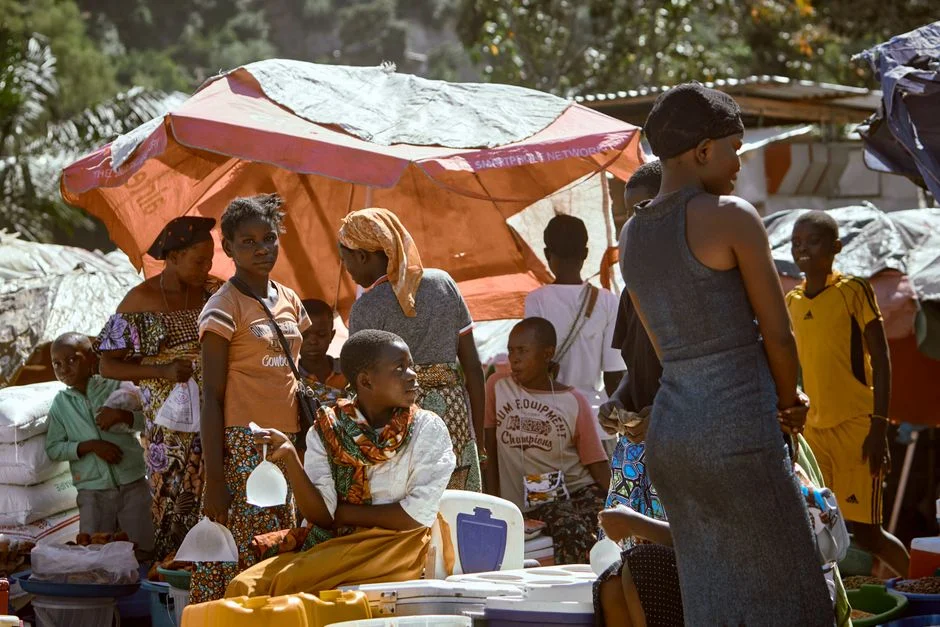
African agriculture is already facing numerous challenges, including climate change, currency fluctuations, and infrastructure deficits. A potential fertiliser shortage exacerbated by an Iran conflict adds another layer of complexity to an already difficult economic landscape. The continent’s reliance on imported inputs makes it particularly vulnerable to external shocks, which can quickly translate into food insecurity and inflation.
The economic consequences of a fertiliser shortage extend beyond the farm gate. Higher input costs lead to higher food prices, which disproportionately affect low-income households across Africa. This can drive up inflation rates, forcing central banks to adjust monetary policy and potentially slowing down economic growth. The ripple effects can be felt in various sectors, from retail to transportation.
Businesses involved in the agricultural value chain, from input suppliers to food processors, must prepare for increased volatility. Companies that fail to adapt to changing supply conditions may face margin compression and reduced competitiveness. This environment rewards agility and strategic foresight, as firms that can secure alternative sources of supply or negotiate better terms will have a distinct advantage.
The Role of Iran in Global Fertiliser Production
Iran is a significant player in the global fertiliser market, particularly in the production of urea and ammonium nitrate. The country’s vast natural gas reserves provide a cost-effective feedstock for nitrogen fertiliser production. Any disruption to Iran’s production or export capabilities due to conflict could lead to a noticeable gap in the global supply, driving up prices and creating competition for available stock.
The strategic importance of Iran in the fertiliser market cannot be overstated. Its proximity to key trade routes, such as the Strait of Hormuz, makes it a critical node for the movement of goods. A conflict in the region could lead to shipping delays, increased insurance costs, and potential blockades, all of which contribute to higher landed costs for African importers.
Investors and businesses must consider the broader geopolitical context when evaluating the risks associated with an Iran conflict. The potential for escalation is a key variable that could significantly alter the supply-demand balance in the global fertiliser market. Understanding these dynamics is essential for making informed investment decisions and developing robust risk management strategies.
Investor Perspectives on Commodity Volatility
The warning from Yara has prompted a reevaluation of risk portfolios among global investors. Commodity markets are known for their volatility, and geopolitical events often serve as catalysts for sharp price movements. Investors are looking for opportunities to capitalize on these fluctuations while managing the inherent risks associated with supply chain disruptions.
For equity investors, the fertiliser sector offers both opportunities and challenges. Companies with strong balance sheets and diversified supply chains are likely to weather the storm better than their peers. Conversely, firms heavily reliant on Middle Eastern inputs may face increased cost pressures, potentially impacting their earnings per share and dividend payouts.
Bond markets are also reacting to the increased uncertainty, with yields on agricultural-related debt instruments showing signs of adjustment. Lenders are becoming more cautious, demanding higher risk premiums for loans extended to agricultural businesses. This tightening of credit conditions can further strain the financial health of farms and agribusinesses, particularly those with high leverage.
Business Strategies for Supply Chain Resilience
In the face of potential disruptions, businesses are focusing on building more resilient supply chains. This involves diversifying sources of supply, investing in inventory management, and forming strategic partnerships with key suppliers. Companies that proactively address these vulnerabilities are better positioned to maintain operational continuity and protect their market share.
Technology plays a crucial role in enhancing supply chain visibility and efficiency. Advanced analytics and real-time data tracking enable businesses to identify potential bottlenecks and respond quickly to changing conditions. By leveraging technology, companies can optimize their logistics, reduce waste, and improve their overall cost structure.
Collaboration is another key strategy for building resilience. By working closely with suppliers, customers, and even competitors, businesses can share resources and information to mitigate risks. This collaborative approach can lead to more stable pricing, improved quality, and greater innovation in the agricultural sector.
Looking Ahead: Monitoring Key Indicators
As the situation in Iran continues to evolve, investors and businesses must remain vigilant. Key indicators to watch include changes in natural gas prices, shipping rates through the Strait of Hormuz, and inventory levels at major fertiliser hubs. These metrics will provide early signals of potential supply disruptions and help stakeholders make informed decisions.
Policymakers in Africa are also keeping a close eye on the situation, preparing contingency plans to mitigate the impact of potential shortages. This may involve strategic stockpiling, tariff adjustments, and investments in local production capacity. The effectiveness of these measures will depend on the speed and scale of the geopolitical developments in the Middle East.
The coming weeks will be critical in determining the extent of the impact on African agriculture. Stakeholders should monitor official statements from Yara and other major players in the fertiliser industry for updates on supply expectations. Additionally, tracking the movements of key political figures in Iran and their diplomatic counterparts will provide valuable context for understanding the trajectory of the conflict.
Investors should consider adjusting their portfolios to reflect the increased risk premium associated with agricultural commodities. Diversification across different regions and input types can help mitigate the impact of any single disruption. Staying informed and agile will be essential for navigating the uncertain economic landscape that lies ahead.