West African economies are still paying the price for the speed at which the Ebola virus moved through their markets a decade ago. The recent gathering of survivors and economic experts in Accra has laid bare how quickly a health crisis can turn into a financial disaster for the region.
Investors watching these developments need to understand that speed is not just a medical metric. It is now the most critical economic indicator for businesses operating in Ghana, Nigeria, and beyond. The lessons from the outbreak are reshaping how capital flows into the continent.
The Cost of Delay in West African Markets
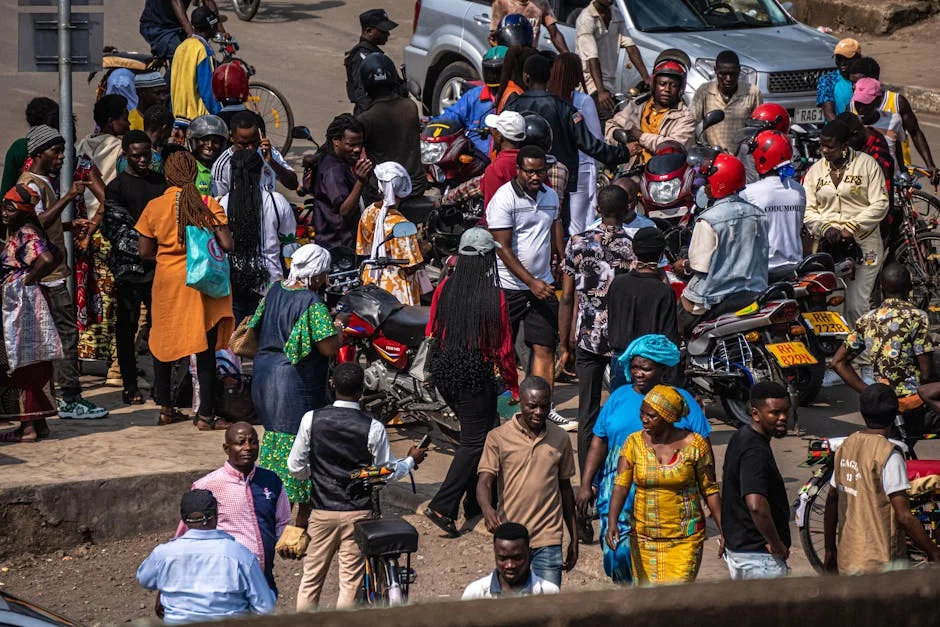
The economic damage caused by the 2014–2016 Ebola epidemic was not immediate, but it was devastating in its persistence. World Bank data from that period showed that the outbreak cost the region approximately $32 billion in lost economic output. This figure was not just about hospital beds; it was about closed borders and idle factories.
For South African investors, this history offers a stark warning about regional interconnectivity. When West Africa sneezes, the broader African market often catches a cold. The disruption in supply chains during the height of the crisis showed how fragile regional trade agreements can be when health infrastructure falters.
The speed with which the virus spread directly correlated with the speed of economic contraction in affected zones. Countries that acted quickly to isolate hotspots saw less severe dips in GDP than those that waited for the perfect political consensus. This delay cost businesses millions in lost revenue and eroded consumer confidence for years.
Business Continuity and the New Health Premium
Modern businesses are now pricing in a new variable: health resilience. Companies operating in West Africa are no longer just looking at tax incentives or infrastructure. They are demanding that governments prove their health systems can handle a shock without shutting down the entire economy.
Insurance premiums for corporate assets in the region have risen as underwriters assess the risk of another rapid-onset health crisis. This trend is forcing firms to build deeper cash reserves or diversify their operational hubs. A single hospital bed in Lagos or Accra can now be worth more than a square meter of real estate in certain contexts.
The concept of speed in business continuity planning has shifted from IT recovery times to epidemiological response times. Firms that integrated real-time health data into their supply chain management during the Ebola years were the ones that maintained profitability. Those that relied on static annual reports found themselves reacting rather than leading.
Impact on Foreign Direct Investment
Foreign direct investment (FDI) flows into West Africa have become more selective. Investors are now favoring sectors that offer inherent resilience, such as technology and essential services, over more volatile industries like tourism. This shift is evident in the recent capital injections into Nigerian fintech firms compared to the slower growth in hotel developments.
The fear of sudden border closures has made cross-border logistics a major bottleneck. Businesses are investing heavily in regional warehousing to buffer against these shocks. This strategy increases upfront costs but provides the flexibility needed when a health crisis forces a rapid halt in trade between neighboring countries.
Survivor Insights and Economic Resilience


Ebola survivors have become some of the most vocal advocates for economic stability in their communities. Their personal stories highlight the long-term financial scars left by the disease, including lost jobs and depleted savings. These narratives are influencing how local governments allocate budgets for health versus infrastructure.
One survivor from Sierra Leone noted that the loss of income during the quarantine periods pushed many small businesses into bankruptcy. This insight has led to calls for more robust social safety nets that can be activated quickly. The speed of these financial interventions can determine whether a business survives or folds.
The economic value of compassion, as highlighted by experts at the Accra meeting, is not just a soft metric. It translates into workforce stability and consumer loyalty. Companies that supported their employees during the crisis saw higher retention rates and stronger brand equity in the years that followed.
Market Reactions to Health Shocks
Financial markets in West Africa have shown increased volatility in response to health news. Stock exchanges in Lagos and Accra have experienced sharper swings in trading volumes when new health alerts are issued. This sensitivity reflects the underlying anxiety among investors about the region's economic fragility.
The Nigerian Naira and the Ghanaian Cedi have both been influenced by health-related economic disruptions. When health crises hit, capital tends to flee to safer havens, putting pressure on local currencies. This dynamic creates a feedback loop where currency devaluation increases the cost of imports, further straining the economy.
Investors are now closely monitoring health indicators alongside traditional economic data. The speed with which health data is released and acted upon can influence market sentiment. Quick, transparent communication from health ministries can help stabilize markets, while delays can trigger panic selling.
Policy Responses and Economic Planning
Governments in West Africa are revising their economic policies to account for health risks. This includes integrating health expenditure into broader economic planning and ensuring that health budgets are ring-fenced during economic downturns. The goal is to prevent the kind of budgetary squeezes that weakened the region's response to Ebola.
The World Bank and other international financial institutions are also adjusting their lending criteria. Loans for health infrastructure are now viewed as essential investments in economic stability. This shift in perspective is making it easier for countries like Ghana and Nigeria to secure funding for hospital upgrades and vaccine distribution networks.
Policy makers are also focusing on the speed of fiscal response. The ability to quickly deploy economic stimulus packages can mitigate the impact of a health crisis on the broader economy. This requires pre-planned fiscal mechanisms that can be activated with minimal bureaucratic delay.
Future Outlook for West African Economies
The future economic trajectory of West Africa will depend heavily on its ability to manage health shocks. Countries that invest in robust health systems will attract more stable investment and enjoy greater economic growth. Those that lag behind will continue to face higher costs of capital and greater economic volatility.
South African businesses looking to expand into West Africa need to factor in these health-related risks. This means conducting thorough due diligence on the health infrastructure of potential markets and building flexible operational models. The speed of adaptation will be a key differentiator for success.
Investors should watch for upcoming policy announcements from key West African governments. These will provide insights into how health considerations are being integrated into broader economic strategies. The next few years will be critical in determining the long-term economic resilience of the region.
The next major test for West Africa's economic resilience will come with the upcoming regional health summit in Lagos. Investors and businesses should monitor the commitments made there, particularly regarding funding for health infrastructure and cross-border health data sharing. These decisions will have immediate implications for market stability and investment flows across the region in 2025.
The economic value of compassion, as highlighted by experts at the Accra meeting, is not just a soft metric. This sensitivity reflects the underlying anxiety among investors about the region's economic fragility.