Iran has seized two ships in the strategic Ormuz Strait, escalating regional tensions and sending ripples through global markets. The move comes as former US President Donald Trump warns of Iran's financial collapse, adding to the uncertainty surrounding the Middle East's most critical waterway. The incident has raised concerns about shipping disruptions and energy prices, with South African investors and businesses closely watching the unfolding crisis.
Iran's Seizure of Ships in Ormuz Strait
The Iranian Revolutionary Guard seized two commercial vessels on Monday, citing alleged violations of maritime regulations. The incident occurred in the Strait of Ormuz, a vital chokepoint through which nearly 20% of global oil shipments pass. The two ships, flagged under foreign registries, were reportedly detained for "illegal activities," though no official details have been released.
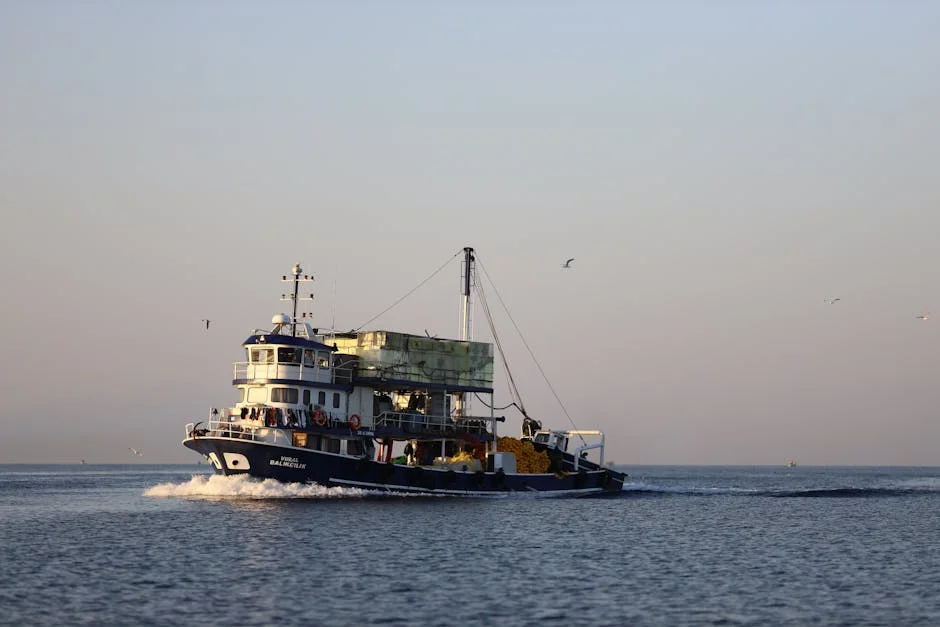
The seizure has already triggered a sharp rise in insurance costs for vessels transiting the strait. According to maritime insurer Allianz, the cost of insurance for ships passing through Ormuz has increased by 15% since the incident. The region, already a flashpoint for geopolitical tension, now faces renewed risks of disruption to global trade.
Trump's Warning of Iran's Financial Collapse
Former US President Donald Trump has publicly stated that Iran is in "financial collapse," a claim that has sparked debate among analysts. Speaking on a podcast, Trump said, "Iran is in a terrible position, and they are not going to last much longer." His comments come amid ongoing US sanctions and a struggling Iranian economy, which has seen inflation exceed 40% this year.
The rhetoric from Trump, though not binding, adds to the volatility in global markets. South African investors, who have been cautious about emerging market exposure, are now reassessing their portfolios. "Any escalation in the Middle East raises risk premiums," said Sipho Mkhwanazi, an economist at the University of Cape Town. "South Africa's trade with the region is small, but the ripple effects on global markets are significant."
Impact on Global Markets and Investors


The Ormuz Strait incident has already affected global markets, with oil prices surging by 3% on Tuesday. Brent crude hit $86.50 per barrel, the highest level since early 2022. Analysts warn that further tensions could push prices higher, impacting South African consumers and businesses reliant on imported fuels.
Investors are also concerned about the potential for broader geopolitical instability. The South African Reserve Bank has issued a statement urging caution, noting that the country's financial system is vulnerable to external shocks. "We are monitoring the situation closely," said Deputy Governor Lesetja Kganyago. "Any prolonged disruption in the region could have cascading effects on global supply chains."
South Africa's Economic Exposure
While South Africa's direct trade with Iran is limited, the country's economic health is closely tied to global commodity prices. The rand has weakened against the dollar, reflecting increased risk aversion among investors. The South African Reserve Bank has already raised interest rates by 50 basis points this year to combat inflation, and further hikes may be necessary if global tensions persist.
Businesses in South Africa, particularly those in the energy and manufacturing sectors, are also bracing for higher costs. "We are seeing increased pressure on our input costs," said Noma Nkosi, CEO of Sasol, a major energy company. "If oil prices stay elevated, it will impact our profitability and consumer prices across the board."
What to Watch Next
The coming days will be critical in determining the full impact of the Ormuz Strait incident. International diplomatic efforts are expected to intensify, with the United Nations and regional powers calling for de-escalation. Meanwhile, financial markets will remain on edge, with traders closely watching for any signs of further instability.
South African investors should monitor oil prices, currency movements, and global trade flows. The next major event to watch is the upcoming G20 summit, where leaders may address the growing tensions in the Middle East. For now, the situation remains fluid, with far-reaching implications for markets and economies worldwide.
See Also
- Venezuela vs Bolivia Match Sparks Regional Market Tensions
- FC Porto Defeats Alverca — What This Means for Investment
Analysts warn that further tensions could push prices higher, impacting South African consumers and businesses reliant on imported fuels. "If oil prices stay elevated, it will impact our profitability and consumer prices across the board." What to Watch Next The coming days will be critical in determining the full impact of the Ormuz Strait incident.
What is the latest news about iran seizes two ships in ormuz strait global markets brace for volatility?
Why does this matter for economy-business?
What are the key facts about iran seizes two ships in ormuz strait global markets brace for volatility?