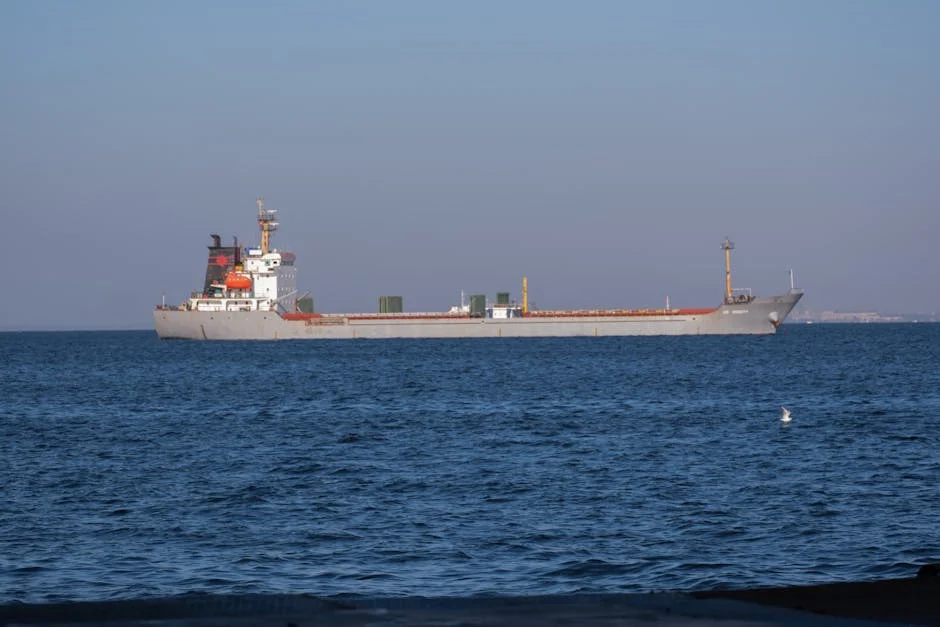
Argentina's melting glaciers have sparked a deepening sense of urgency among water managers and investors, with the country's Ministry of Environment warning that 60% of its Andean glaciers could disappear by 2050. The crisis is sending ripples through regional markets, particularly in South Africa, where businesses and policymakers are recalibrating their strategies in response to the growing water insecurity.
Glacier Loss Drives Water Scarcity Concerns
Argentina’s glaciers, which supply nearly 70% of the country’s freshwater, are retreating at an alarming rate. A 2023 study by the National Scientific and Technical Research Council (CONICET) found that the country has lost 25% of its glacial mass since 1980. This loss is not just an environmental issue — it is a ticking time bomb for agriculture, energy, and industry.
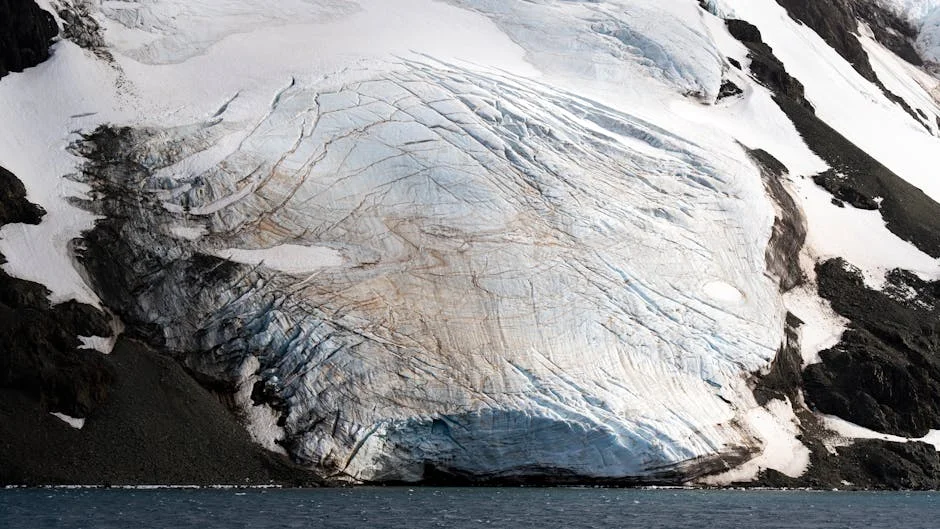
“Every drop of water counts,” said María Fernández, a hydrologist at the University of Buenos Aires. “The glaciers are the natural reservoirs, and without them, we face an uncertain future.” The Ministry of Environment has launched a new initiative to monitor water use, but the scale of the problem is overwhelming. In the Mendoza region, which relies heavily on glacial meltwater for its vineyards, farmers are already reporting lower yields and higher irrigation costs.
South African Businesses Take Notice
South Africa’s agricultural and energy sectors are closely watching Argentina’s water crisis. The country imports significant amounts of beef and wine from Argentina, and supply chain disruptions could have wide-reaching consequences. In Johannesburg, agribusiness executives are re-evaluating their sourcing strategies, with some shifting focus to more stable regions.
“The fear of water scarcity is not just a local issue — it’s a global one,” said David Ngcobo, an agricultural economist at the University of Cape Town. “If Argentina’s water systems falter, it will affect global markets, especially in food and energy.”
Investors are also taking notice. The South African Investment Fund has begun to divest from water-intensive industries in Argentina and is exploring opportunities in regions with more stable water access. “We’re seeing a shift in risk perception,” said Linda van der Merwe, a portfolio manager at the fund. “Water is becoming a key factor in investment decisions.”
Market Reactions and Economic Impacts


Water scarcity is already affecting commodity prices. In the Mendoza region, the price of irrigation water has risen by 18% in the past year, according to the Argentine Agricultural Association. This increase is pushing up the cost of crops like grapes and olives, which are major exports. The ripple effects are being felt in South African markets, where imported agricultural products are seeing price hikes.
Energy companies are also feeling the strain. Argentina’s hydropower plants, which depend on glacial meltwater, are generating less electricity. This has led to increased reliance on fossil fuels, which is driving up energy costs. In South Africa, where energy is already a key economic constraint, this development is raising concerns about potential supply chain disruptions.
Investors Brace for Long-Term Shifts
The long-term implications of Argentina’s water crisis are still unfolding, but investors are beginning to factor in the risks. The South African Development Bank has issued a report warning that water scarcity could reduce Argentina’s GDP growth by up to 2% annually by 2030. This projection is prompting a reassessment of trade and investment strategies in the region.
“We’re seeing a shift in how investors view water as a resource,” said Thandiwe Mkhize, a financial analyst at the African Development Institute. “It’s no longer just about availability — it’s about sustainability and long-term planning.”
Water Policy and Regional Cooperation
Argentina’s government is under pressure to implement more sustainable water policies. The Ministry of Environment has proposed a new water management framework, but implementation is slow. In the Andes, neighboring countries like Chile and Bolivia are also experiencing glacial retreat, raising questions about regional cooperation and water-sharing agreements.
“Water is a shared resource, and the crisis in Argentina is a wake-up call for the entire region,” said Luisa Martínez, a policy analyst at the Latin American Water Institute. “We need to act now before it’s too late.”
Investors and businesses are watching closely, with many calling for more transparency and accountability in water management. The next few months will be critical as Argentina’s government moves forward with its water policies and as South African markets adjust to the new reality.
The water crisis in Argentina is a stark reminder of how interconnected global markets are. As glaciers shrink, so too does the stability of supply chains, investment flows, and economic growth. What happens in the Andes is no longer just a local issue — it is a global one, and the world is watching.
Frequently Asked Questions
What is the latest news about argentinas glaciers shrink as fear grips water markets?
Argentina's melting glaciers have sparked a deepening sense of urgency among water managers and investors, with the country's Ministry of Environment warning that 60% of its Andean glaciers could disappear by 2050.
Why does this matter for economy-business?
Glacier Loss Drives Water Scarcity Concerns Argentina’s glaciers, which supply nearly 70% of the country’s freshwater, are retreating at an alarming rate.
What are the key facts about argentinas glaciers shrink as fear grips water markets?
This loss is not just an environmental issue — it is a ticking time bomb for agriculture, energy, and industry.