The World Bank has issued a stark warning to the Zimbabwean government, advising against rushing to establish the ZiG (Zimbabwe Gold) as the sole legal tender in the country. This intervention signals deep concern that forcing the new currency into immediate dominance could trigger a sudden outflow of capital, destabilising an economy that is already fragile and heavily dependent on cross-border trade with South Africa.
The warning comes at a critical juncture for the Southern African region, where Zimbabwe’s monetary policy decisions have direct ripple effects on South African businesses, labour markets, and infrastructure projects operating in the border regions. By highlighting the risks of a forced transition, the World Bank is drawing attention to the potential economic dislocation that could affect regional supply chains and investment flows across the SADC region.
Immediate Facts and the Mechanics of the Warning
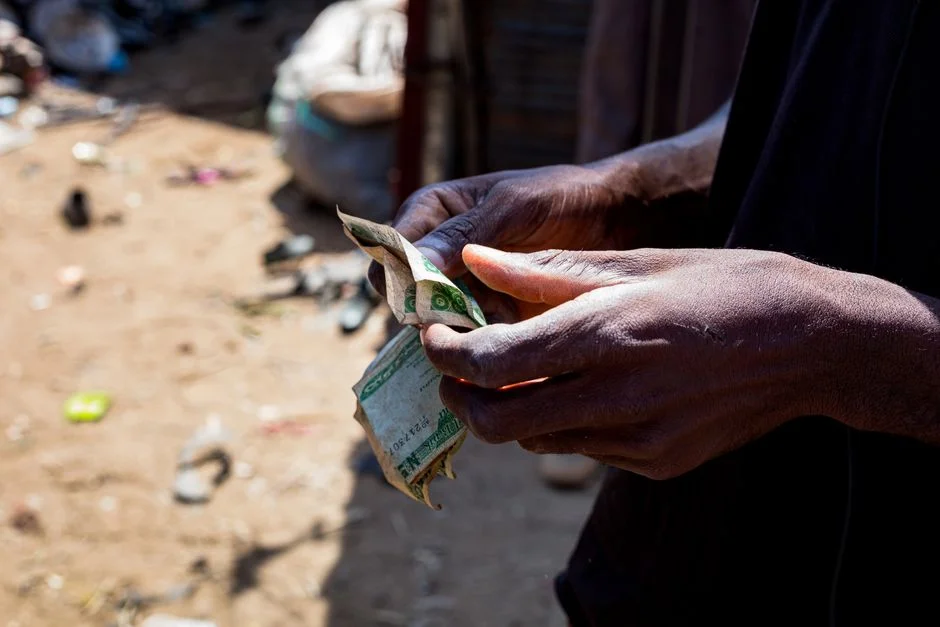
The World Bank’s latest assessment focuses on the mechanics of currency adoption and the specific risks associated with making the ZiG the exclusive legal tender without a sufficient transition period. The central bank in Harare has been pushing for a rapid rollout of the ZiG, which is backed by gold reserves, to replace the previously volatile multi-currency system that relied heavily on the US dollar and the South African rand. The World Bank argues that this speed could undermine confidence in the new currency, leading to a scenario where businesses and individuals withdraw their funds from the banking system to hold foreign currency or physical assets.
A key component of the World Bank’s warning is the potential for capital flight. When a government mandates a new currency too quickly, it often disrupts the existing liquidity pools that businesses rely on for daily operations. In Zimbabwe’s case, this could mean that multinational corporations and local enterprises alike might accelerate the repatriation of profits to their home countries before the ZiG fully establishes its value. This outflow of capital would reduce the foreign exchange reserves available to the central bank, making it harder to stabilise the currency in the early months of its circulation.
The implications for South African trade partners are immediate and tangible. Many South African firms operate in Zimbabwe through cross-border supply chains that rely on predictable exchange rates and efficient payment systems. A sudden shift to a sole legal tender status for the ZiG could introduce friction into these transactions, increasing transaction costs and creating delays in the movement of goods across the Beitbridge border post, the busiest land crossing in Africa. This uncertainty could lead to higher prices for South African consumers importing goods from Zimbabwe, such as agricultural products and manufactured goods.
Furthermore, the World Bank highlighted the importance of maintaining a degree of monetary flexibility. The previous multi-currency system, while imperfect, allowed businesses to hedge against inflation by holding foreign currencies. Removing the rand and the dollar as legal tender forces all economic actors to transact exclusively in ZiG, which may not yet have the trust or liquidity to support large-scale commercial activities. This lack of choice could further discourage foreign direct investment, as investors prefer environments where they can manage currency risk through diversified holding options.
The timing of the World Bank’s intervention is also significant. It coincides with broader discussions among regional economic communities about monetary union and currency harmonisation. By urging caution, the World Bank is effectively challenging the Zimbabwean government’s timeline, suggesting that a more gradual approach would yield better long-term stability. This stance could influence other regional banks and development partners who are considering lending to Zimbabwe in the near future, potentially tightening credit conditions if the government proceeds with its aggressive rollout.
Local businesses in Zimbabwe’s border towns are already feeling the pressure of these policy shifts. Merchants and traders who operate in both Zimbabwe and South Africa often hold inventory in multiple currencies to mitigate risk. A forced switch to the ZiG means they must now convert all holdings into a single currency, exposing them to exchange rate volatility. This could lead to a temporary contraction in trade volumes as businesses adjust their balance sheets, a trend that could be observed in the coming weeks as the new currency regime takes effect.
Background and the Struggle for Monetary Stability
Zimbabwe’s history with currency is a long and turbulent one, characterised by hyperinflation, multiple currency reforms, and a deep-seated public skepticism towards government-issued money. The introduction of the ZiG was intended to restore that confidence by pegging it to a basket of commodities, primarily gold. However, the transition from a dollarised economy to a commodity-backed local currency has been fraught with challenges. The World Bank’s warning is rooted in this historical context, noting that past attempts at rapid currency reform have often failed due to insufficient institutional support and inadequate foreign exchange reserves.
The current economic landscape in Zimbabwe is heavily influenced by its relationship with South Africa. The South African rand has long served as a de facto stabiliser in the Zimbabwean economy, providing a reliable store of value for businesses and individuals. By making the ZiG the sole legal tender, the government is effectively removing this stabiliser, which could lead to increased price volatility in the short term. This volatility could have spillover effects into South Africa, particularly in provinces like Limpopo and Mpumalanga, where trade with Zimbabwe is a significant part of the local economy.
Competing views on the ZiG’s viability are emerging from various quarters. Proponents of the new currency argue that it will reduce dependence on foreign currencies and allow the government to implement more independent monetary policies. Critics, including the World Bank, point out that without a robust fiscal framework and sufficient reserves, the ZiG may suffer from the same inflationary pressures that plagued previous currencies. This debate is crucial for understanding why the World Bank’s warning carries weight, as it reflects a broader disagreement about the best path to economic stability in the region.
The role of the central bank in managing this transition is also under scrutiny. The Reserve Bank of Zimbabwe has been actively promoting the ZiG, but its ability to manage liquidity and ensure sufficient circulation of the new currency is being questioned. The World Bank’s warning suggests that the central bank may need to provide more guarantees or incentives to encourage adoption, such as tax incentives or requirements for public sector payments to be made in ZiG. Without these measures, the transition could be slower and more painful than anticipated, leading to a dual-currency system in practice, despite the legal mandate.
Historical precedents from other emerging markets offer valuable lessons for Zimbabwe. Countries like Argentina and Turkey have attempted similar currency reforms, often with mixed results. The key factor in these cases has been the level of public trust in the government’s ability to maintain the currency’s value. In Zimbabwe, trust remains low, which makes the World Bank’s warning about capital flight particularly relevant. If investors and citizens lose confidence in the ZiG, they may rush to convert their assets into gold or foreign currency, exacerbating the very problems the reform aims to solve.
The impact on the labour market is another critical dimension. Workers in Zimbabwe rely on stable wages to plan their finances, and currency instability can erode their purchasing power. The shift to the ZiG could lead to short-term wage disputes as employees demand adjustments to reflect inflation rates. This could have implications for South African companies operating in Zimbabwe, which may need to renegotiate contracts or adjust their payroll systems to accommodate the new currency. Such adjustments could lead to temporary disruptions in productivity and service delivery, affecting both local and regional economies.
Broader Implications and What to Watch Next
The World Bank’s warning is not just about Zimbabwe; it is a signal to the broader Southern African Development Community (SADC) region. Currency instability in Zimbabwe can affect trade flows, investment patterns, and even political dynamics in the region. South Africa, as the largest economy in SADC, is particularly sensitive to these developments, as any shock to Zimbabwe’s economy could have a ripple effect on its own financial sector and trade balances. Investors and policymakers in Pretoria will be closely monitoring how the ZiG performs in the coming months, as this will inform their own monetary and fiscal strategies.
One key area to watch is the performance of the ZiG in the foreign exchange market. If the currency depreciates rapidly against the rand or the dollar, it could trigger a wave of capital flight, as businesses and individuals seek to preserve their wealth in more stable currencies. This scenario would validate the World Bank’s warning and could lead to a tightening of liquidity in the Zimbabwean banking sector. Conversely, if the ZiG holds its value, it could boost confidence and attract new investment, potentially stabilising the region’s economic outlook.
The response of the Zimbabwean government to the World Bank’s warning will also be crucial. If the government heeds the advice and slows down the rollout, it could demonstrate a willingness to engage with international institutions and prioritize stability over speed. This could improve Zimbabwe’s creditworthiness and make it easier to secure funding from other development partners. On the other hand, if the government proceeds with its original timeline, it could signal a defiance of external advice, which might lead to a more cautious approach from investors and lenders, further constraining economic growth.
Another factor to consider is the role of informal trade in Zimbabwe’s economy. A significant portion of economic activity in the country occurs in the informal sector, where barter and multi-currency transactions are common. The forced introduction of the ZiG could disrupt these informal networks, leading to a temporary decline in economic activity. This decline could have social consequences, as informal traders and workers face reduced incomes and increased uncertainty. Monitoring the performance of the informal sector will provide valuable insights into the real-world impact of the currency reform.
Finally, the upcoming fiscal year budget and monetary policy statements from the Reserve Bank of Zimbabwe will be critical indicators of the government’s commitment to the ZiG. These documents will outline the specific measures the central bank plans to take to support the new currency, such as reserve requirements, interest rate adjustments, and foreign exchange interventions. Investors and analysts will be looking for clear, consistent signals that the government is serious about maintaining the ZiG’s value, which will influence market sentiment and capital flows in the region.
The World Bank’s intervention highlights the delicate balance between policy ambition and economic reality in Zimbabwe. As the ZiG moves from paper to practice, the coming months will be decisive in determining its success or failure. For South Africa and the broader region, the outcome will have lasting implications for trade, investment, and regional stability. Keeping a close eye on these developments will provide valuable insights into the future of Southern African economics.
See Also

- Starmer Blocks Trump's Iran Port Ban Amid Trade Tensions
- Starmer Slams Gaza Protests — UK Markets React to Political Shock
What is the latest news about world bank warns zimbabwe against zig rush as capital flight looms?
Why does this matter for economy-business?
What are the key facts about world bank warns zimbabwe against zig rush as capital flight looms?