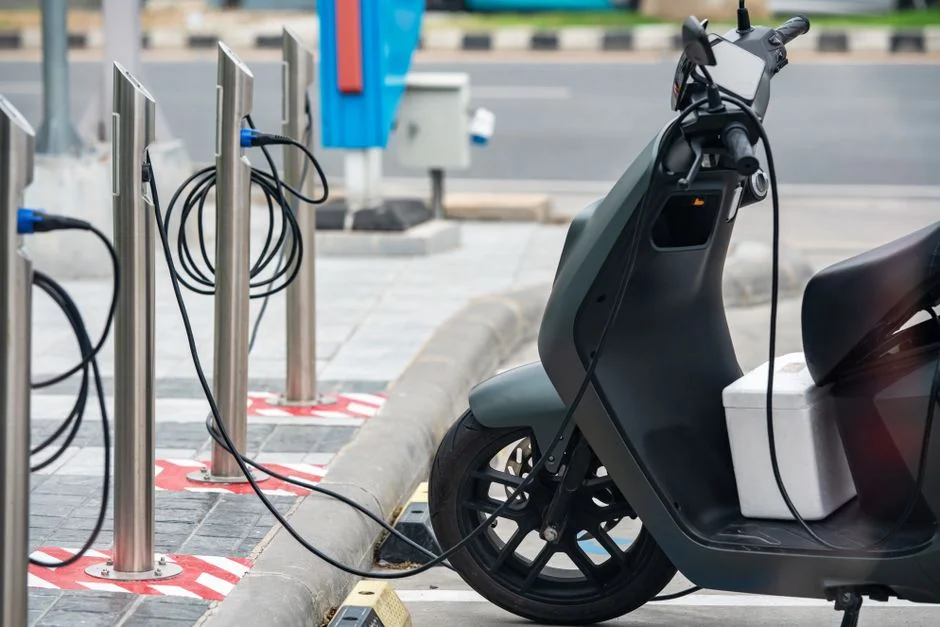
Eskom has launched public electric vehicle charging facilities at Gateway and Pavilion malls in Durban as part of its expanding e-mobility programme. The utility company is installing charging infrastructure at these two major retail centres to support the growing adoption of electric vehicles in KwaZulu-Natal.
Eskom Expands E-Mobility Infrastructure in Durban
Eskom confirmed the installation of charging points at the Gateway and Pavilion shopping centres. This development marks a tangible step in the utility’s broader strategy to integrate electric mobility into the national energy landscape. The Pavilion technology update signals a shift in how Eskom manages public-facing energy services. These installations provide a visible example of how state-owned enterprises are adapting to new consumer demands.
The choice of Durban as a launch site highlights the city’s role as a commercial hub in the province. Gateway and Pavilion are among the busiest retail destinations in the region, ensuring high visibility for the new infrastructure. This location strategy allows Eskom to reach a large demographic of potential electric vehicle users. The presence of these chargers at popular malls makes the transition to electric motoring more convenient for shoppers.
The move aligns with the national government’s push to reduce carbon emissions and reliance on fossil fuels. By placing chargers in high-traffic areas, Eskom is addressing one of the key barriers to electric vehicle adoption: range anxiety. Drivers can charge their vehicles while shopping, making the technology more practical for daily use. This approach reduces the need for dedicated charging stations in less accessible locations.
The installation represents a practical application of Eskom’s e-mobility programme. It demonstrates how the utility is diversifying its services beyond traditional electricity supply. The Pavilion latest news indicates that this is part of a wider rollout plan. Eskom is testing the viability of mall-based charging as a sustainable business model. The success of these installations will likely influence future expansion plans in other cities.
Local businesses at Gateway and Pavilion may benefit from increased foot traffic and enhanced amenities. The presence of modern charging infrastructure can attract environmentally conscious consumers. This development also signals confidence in the local electric vehicle market. As more drivers switch to electric vehicles, the demand for reliable charging points will grow. Eskom’s involvement ensures that the infrastructure is backed by a established utility with significant resources.
The Eskom impact on South Africa extends beyond just energy supply. The utility is becoming a key player in the country’s transport sector. This dual role requires careful management of grid capacity and demand. The Durban installations serve as a pilot for larger-scale deployments. Eskom analysis South Africa suggests that such initiatives are crucial for meeting future energy needs. The company must balance the increased load from electric vehicles with existing residential and commercial demand.
What is Eskom in the context of e-mobility? The utility is transforming from a pure generator to a multi-faceted energy provider. This evolution requires investment in new technologies and partnerships. The Durban project is a concrete example of this transformation. It shows how state-owned enterprises can drive innovation in the private sector. The success of these chargers will depend on user adoption and maintenance. Eskom will need to ensure that the infrastructure remains reliable and accessible.
Looking ahead, Eskom is expected to expand its e-mobility network to other major cities. The Durban project will provide valuable data on usage patterns and customer behaviour. This information will help refine the rollout strategy for future installations. Stakeholders should watch for announcements regarding additional locations and charging speeds. The utility’s ability to scale this model will determine its long-term success in the e-mobility sector.
See Also
- Kenya Parents Demand Answers as Police Delay Identification of Fire Victims
- Aslam Moolla Warns South African Firms About Late Salary Payments
Eskom analysis South Africa suggests that such initiatives are crucial for meeting future energy needs. Eskom’s involvement ensures that the infrastructure is backed by a established utility with significant resources.