The African National Congress has urgently called for calm in Durban as tensions surrounding immigration controls escalate following a chaotic incident involving the Diakonia church. This disruption in South Africa’s largest port city raises immediate concerns for supply chain stability and local business confidence. Investors are watching closely to see if the unrest will spill over into the critical logistics hubs that drive the national economy.
Disruption at the Gateway to Africa
Durban serves as the economic engine of KwaZulu-Natal and the logistical heart of Southern Africa. The recent chaos linked to the Diakonia church highlights the fragility of immigration enforcement in the region. When the port city stumbles, the ripple effects are felt from the factory floors of Pinetown to the boardrooms of Sandton. Businesses rely on the steady flow of goods and the predictable movement of workers. Any interruption threatens to stall production and inflate delivery times for consumers across the continent.

The incident has exposed deep-seated tensions regarding foreign labor and local economic competition. These social frictions are not merely political talking points; they translate directly into operational risks for companies. Retailers and manufacturers in the eThekwini Metropolitan Municipality are bracing for potential strikes, roadblocks, and police deployments. Such measures can paralyze transport routes, leading to immediate inventory shortages and rising operational costs.
Market Reaction and Investor Sentiment
Financial markets are sensitive to political stability and operational continuity in key economic zones. The unrest in Durban has prompted investors to reassess the risk premium associated with South African equities. Specifically, logistics and retail stocks listed on the Johannesburg Stock Exchange are under scrutiny. Traders are analyzing how long the disruption might last and whether it will force a revision of quarterly earnings forecasts for major conglomerates.
Uncertainty is the enemy of capital allocation. When businesses cannot predict the cost of moving goods or the availability of labor, they tend to hold back on new investments. This hesitation can slow down economic growth in the province and, by extension, the country. Analysts are monitoring the Rand’s performance against the Dollar, as any sign of prolonged instability in Durban could weaken the currency. A weaker Rand increases import costs, further fueling inflationary pressures for South African households and businesses.
Impact on Local Retail and Hospitality
The retail sector in Durban is particularly vulnerable to sudden shifts in consumer behavior and supply chain bottlenecks. Shops along the Golden Mile and in the Umhlanga business district may see fluctuating foot traffic as commuters avoid congested or tense areas. Hoteliers in the city center are also watching the situation, as business travelers often adjust their itineraries at the last minute when uncertainty looms. This direct impact on revenue streams forces business owners to make quick, often costly, decisions regarding staffing and inventory.
Small and medium-sized enterprises (SMEs) bear the brunt of these disruptions more heavily than corporate giants. Unlike large firms with diversified supply chains, local businesses often rely on a single route or a specific group of workers. If immigration checks become more stringent or if protests block key roads, these SMEs can face immediate cash flow crises. The economic resilience of Durban’s local economy depends on how quickly normalcy can be restored to these commercial arteries.
The Role of Political Leadership


The ANC’s call for calm is a strategic move to contain the economic fallout. As the ruling party, the ANC understands that prolonged unrest in Durban could undermine its governance credentials. Political leaders are under pressure to demonstrate control over the situation without triggering further social friction. The effectiveness of their messaging will influence market confidence in the short term. Investors look for decisive action and clear communication from political stakeholders to gauge the duration of the disruption.
However, words alone may not suffice if the underlying issues remain unaddressed. The Diakonia church incident reflects broader structural challenges in immigration policy and labor market integration. These issues require more than just a call for calm; they demand coherent policy responses that balance social equity with economic efficiency. The market is watching to see if political rhetoric translates into tangible measures that stabilize the environment for business operations.
Supply Chain Vulnerabilities
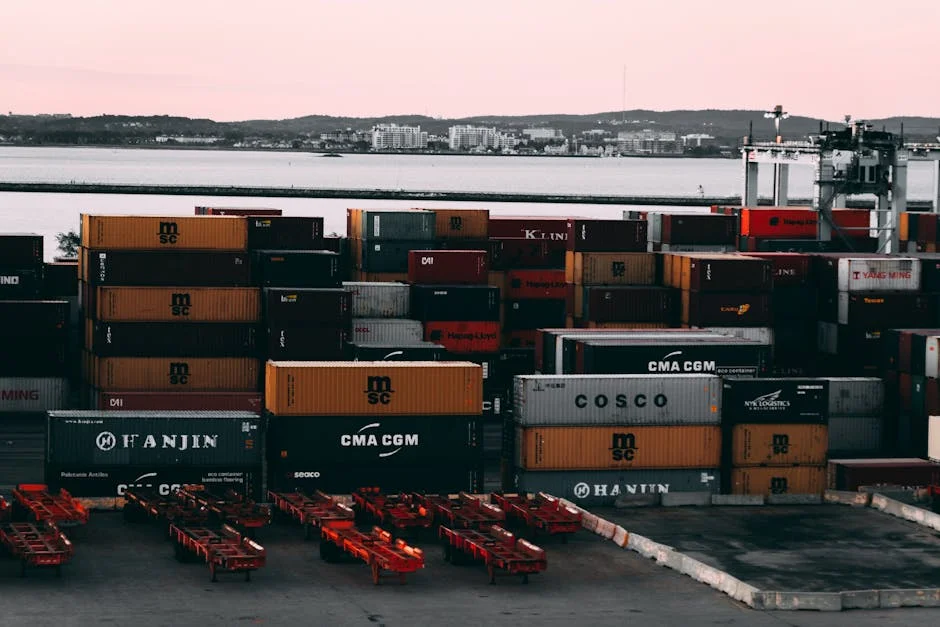
Durban’s port is the primary entry point for a significant portion of South Africa’s imports. Any delay in customs clearance or transport can create a domino effect across the supply chain. Manufacturers dependent on just-in-time delivery models are particularly exposed to these risks. A few days of disruption can lead to weeks of backlog, forcing companies to air-freight goods at a premium or face stockouts on retail shelves. This inefficiency adds cost to the final product, which is ultimately passed on to the consumer.
The logistics industry is already grappling with high fuel costs and infrastructure challenges. Adding political and social unrest to this mix exacerbates existing pressures. Transport companies may need to adjust routes, increase security measures, or even deploy additional staff to manage the flow of goods. These adjustments increase operational expenditures, which can squeeze profit margins for logistics providers and their clients. The cumulative effect on the cost of living and doing business in South Africa is significant.
Economic Data and Future Outlook
Economic indicators will provide further insight into the impact of the Durban unrest. Investors and policymakers will be watching unemployment figures, inflation rates, and gross domestic product growth in the coming months. If the disruption leads to a sustained slowdown in port activity, it could negatively affect trade balances and foreign direct investment flows. The Reserve Bank may also take note of any inflationary pressures stemming from supply chain bottlenecks, potentially influencing interest rate decisions.
The resilience of the South African economy depends on its ability to absorb such shocks. Durban’s strategic importance means that its stability is crucial for national economic health. Businesses must develop contingency plans to mitigate the risks associated with political and social unrest. This includes diversifying supply chains, enhancing inventory management, and maintaining open lines of communication with stakeholders. Proactive measures can help companies navigate the uncertainty and maintain operational continuity.
What to Watch Next Week
The coming days will be critical in determining the long-term impact of the Durban immigration tensions. Investors should monitor announcements from the Department of Home Affairs regarding new enforcement measures or policy adjustments. Local business leaders in the eThekwini Municipality are expected to issue statements on the operational status of key commercial zones. Additionally, tracking the movement of the Rand and key JSE sectors will provide real-time signals of market sentiment. The resolution of the Diakonia chaos will set a precedent for how future immigration-related disputes are managed in South Africa’s economic hub.
See Also
- Ryanair Loses Palma Futsal Bags — Business Travel Chaos
- Falta Challenges South Africa: Lusa Paula Teles Warns of Material Shortages in Crisis Response
What is the latest news about durban immigration chaos triggers business alarm?
Why does this matter for infrastructure-cities?
What are the key facts about durban immigration chaos triggers business alarm?